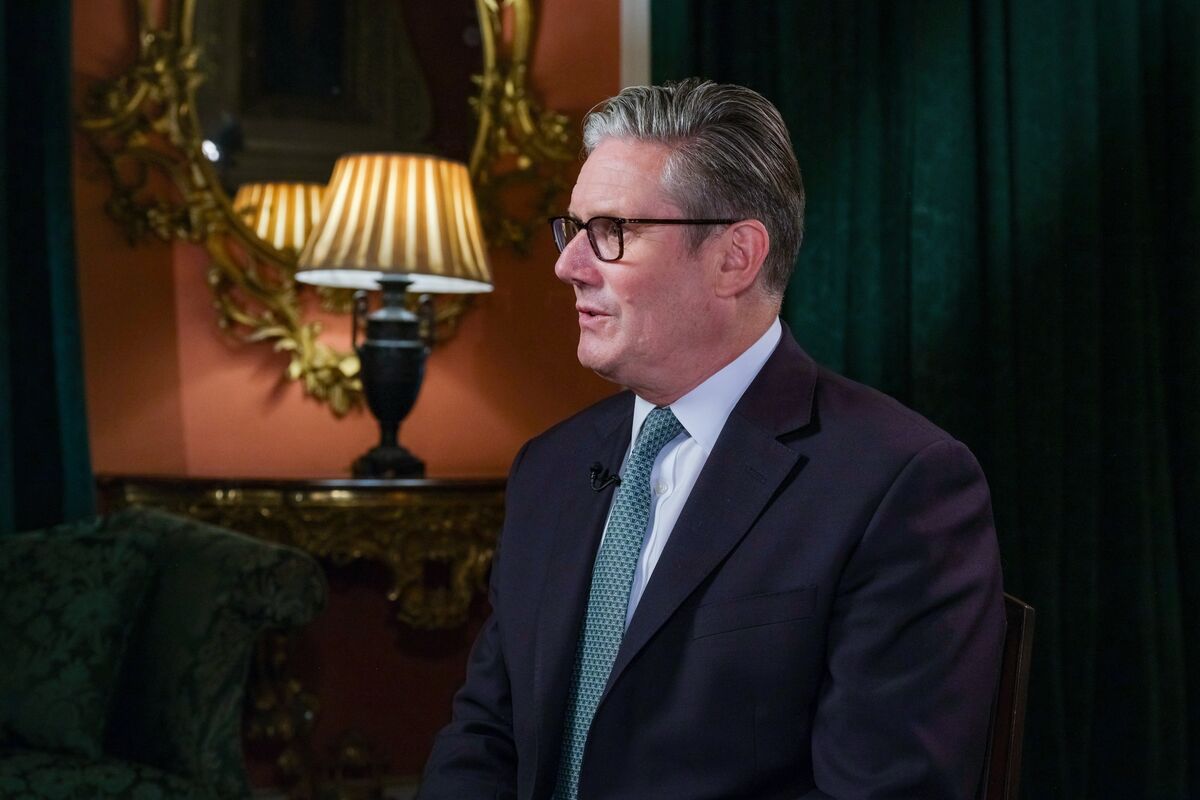
UK Prime Minister Keir Starmer, in a discussion with Bloomberg's Mishal Husain, expressed "grave concern" regarding Iran's nuclear program amid escalating tensions in the Middle East following Israel's attack on Iran. Starmer emphasized the need for de-escalation in the region, though he refrained from detailing specific intelligence assessments.
UK Prime Minister Keir Starmer, in a discussion with Bloomberg from Number 10, articulated "grave concern" regarding Iran's nuclear program amidst a rapidly escalating situation in the Middle East following Israel's recent attack on Iran, while concurrently advocating for regional de-escalation. This high-level pronouncement aligns with the prevailing "mildly negative" sentiment and "uncertain" market tone, underscored by a significant market impact score of 0.8, signaling that these geopolitical developments carry substantial potential to influence broader market stability. Starmer's decision to refrain from disclosing specific intelligence assessments further contributes to the current uncertainty. The situation primarily highlights themes of "Geopolitics & War," which are of immediate concern to investors, with the domestic political aspect of Starmer's statement being secondary in this context.
AI-powered research, real-time alerts, and portfolio analytics for institutional investors.
Request DemoOverall Sentiment
mildly negative
Sentiment Score
-0.35
