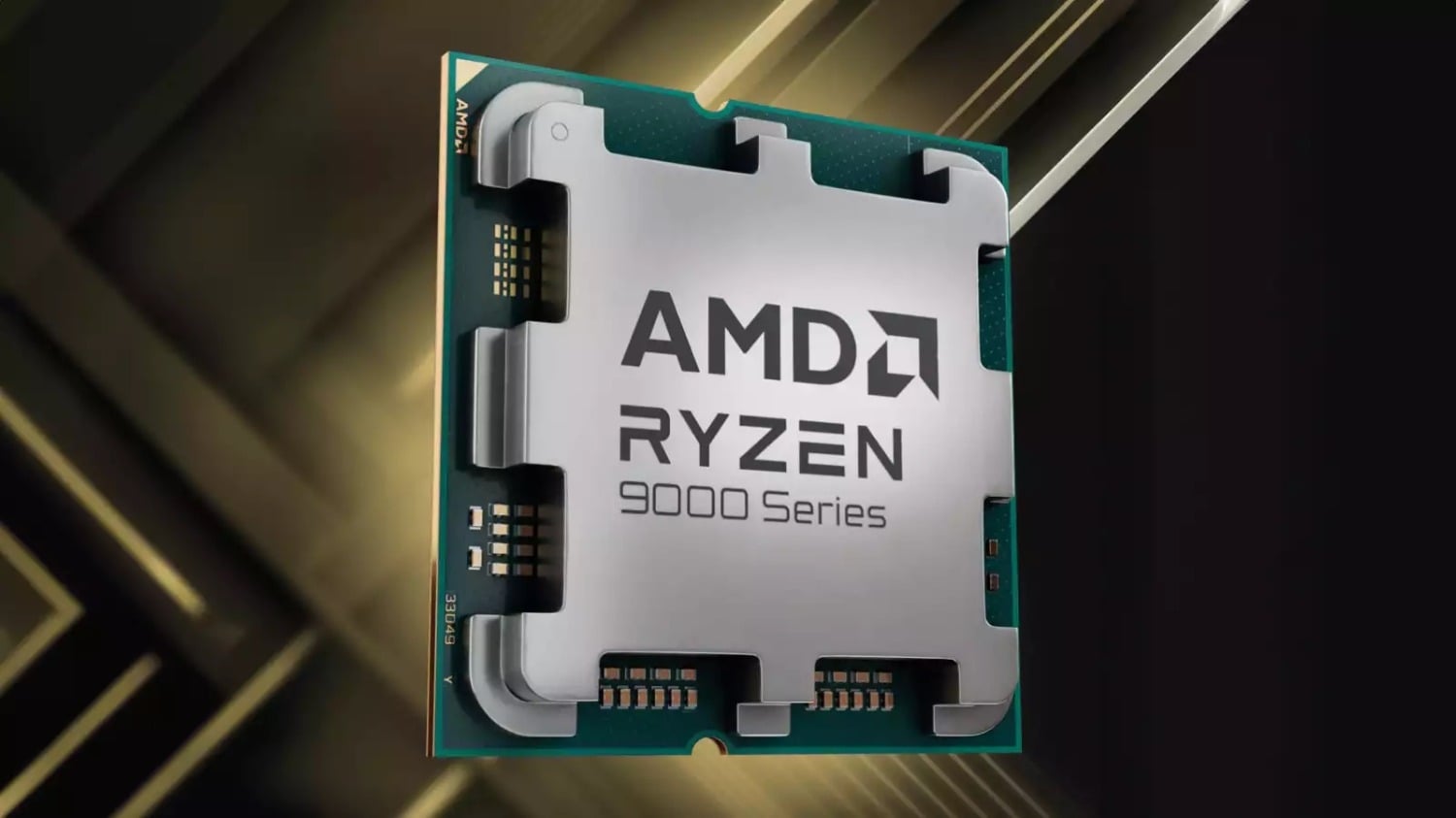
AMD’s unreleased Ryzen 9 PRO 9965X3D has appeared in PassMark as a 16-core, 32-thread X3D CPU, making it the first 16-core chip in the Ryzen PRO 9000 lineup. Early benchmark results show 4,614 single-thread points and 65,111 multi-thread points, roughly 2.7% and 7.3% below the consumer Ryzen 9 9950X3D, likely reflecting a lower 65W TDP. The chip appears poised to become the flagship Ryzen PRO desktop part, though AMD has not officially announced it and the database currently shows only three samples.
This looks less like a meaningful volume event and more like an intentional signal that AMD wants to blur the line between its consumer halo products and its enterprise channel. If an X3D part shows up in PRO trim, the second-order implication is not workstation gaming — it is OEM differentiation: AMD can offer a SKU that benchmarks well in lightly threaded creator workflows, compile-heavy tasks, and cache-sensitive pro apps without having to materially raise clocks or TDP. That should help AMD defend premium pricing in a segment where Intel’s weakness has been less about peak specs than about platform credibility and product segmentation discipline.
The more interesting market effect is on mix, not unit growth. A low-TDP X3D PRO SKU would allow AMD to push higher ASP desktops into business/workstation channels while keeping thermal and acoustics within OEM constraints, which can improve attach rates for motherboards, memory, and prebuilt systems. The risk is that this remains a halo-only launch: if OEMs do not validate it broadly, it becomes a niche benchmark curiosity rather than a revenue driver, and the market will overestimate near-term contribution.
Contrarian take: the presence of a PRO X3D part may actually be a defensive move against Intel’s workstation refresh and a sign AMD is working harder to preserve share than to expand it. If that is the case, the upside for AMD is more about preventing share leakage over the next 2-4 quarters than about an immediate re-rating. The main catalyst to watch is whether this SKU appears in enterprise OEM roadmaps or only in benchmark leaks; if it stays off-roadmap, enthusiasm should fade quickly.
From a trading perspective, this is a modest positive for AMD but not enough to chase outright on product rumors alone. The cleaner expression is to own AMD on pullbacks into any broader semiconductor weakness, while avoiding paying peak multiple expansion for a SKU that may have limited shipment volume. The key tell will be whether AMD’s desktop mix improves in the next two quarters without a corresponding jump in channel inventory, which would imply this is a profitable niche rather than a supply distraction.
AI-powered research, real-time alerts, and portfolio analytics for institutional investors.
Request DemoOverall Sentiment
neutral
Sentiment Score
0.15
Ticker Sentiment
