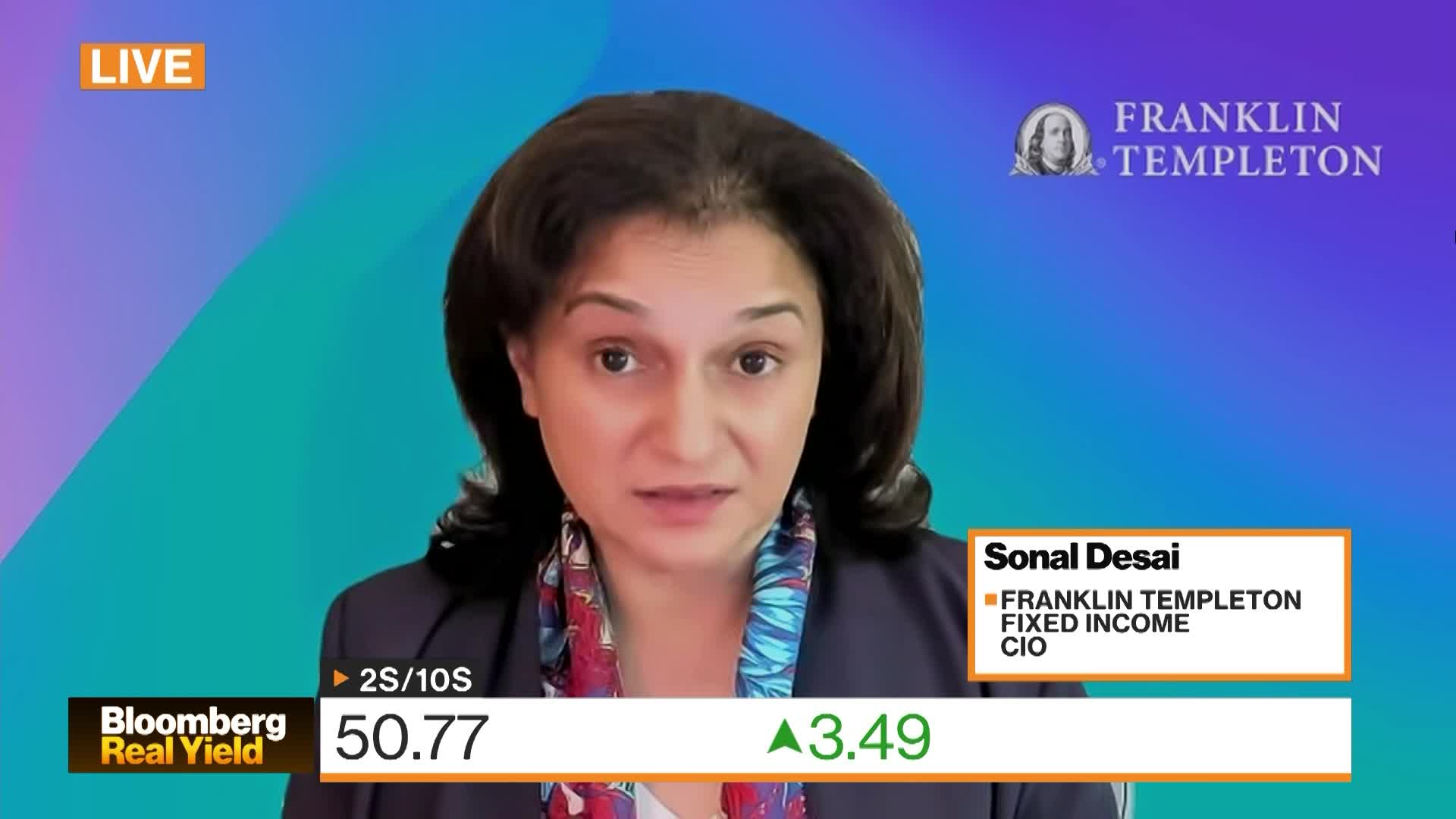
Franklin Templeton Fixed Income CIO Sonal Desai highlighted that the market, particularly bond issuance and supply, predominantly dictates the 10-year part of the yield curve when the Federal Reserve is not actively engaged in Quantitative Easing. This suggests a shift towards fundamental supply-demand dynamics as the primary driver for this key benchmark yield in the absence of central bank intervention.
According to Sonal Desai, Franklin Templeton's Fixed Income CIO, a pivotal shift is occurring in the determinants of the 10-year Treasury yield. In the current environment, where the Federal Reserve is not actively engaged in Quantitative Easing (QE), market-based fundamentals—specifically the scale of bond issuance and underlying supply-demand dynamics—are becoming the predominant drivers for this key portion of the yield curve. This marks a significant transition from periods of active QE, where central bank asset purchases heavily influenced and often suppressed long-term rates. Consequently, forecasting the direction of this critical benchmark yield now requires a greater emphasis on fiscal policy, which dictates government financing needs, and the market's capacity to absorb the resulting supply of bonds.
AI-powered research, real-time alerts, and portfolio analytics for institutional investors.
Request DemoOverall Sentiment
neutral
Sentiment Score
0.00
Ticker Sentiment
