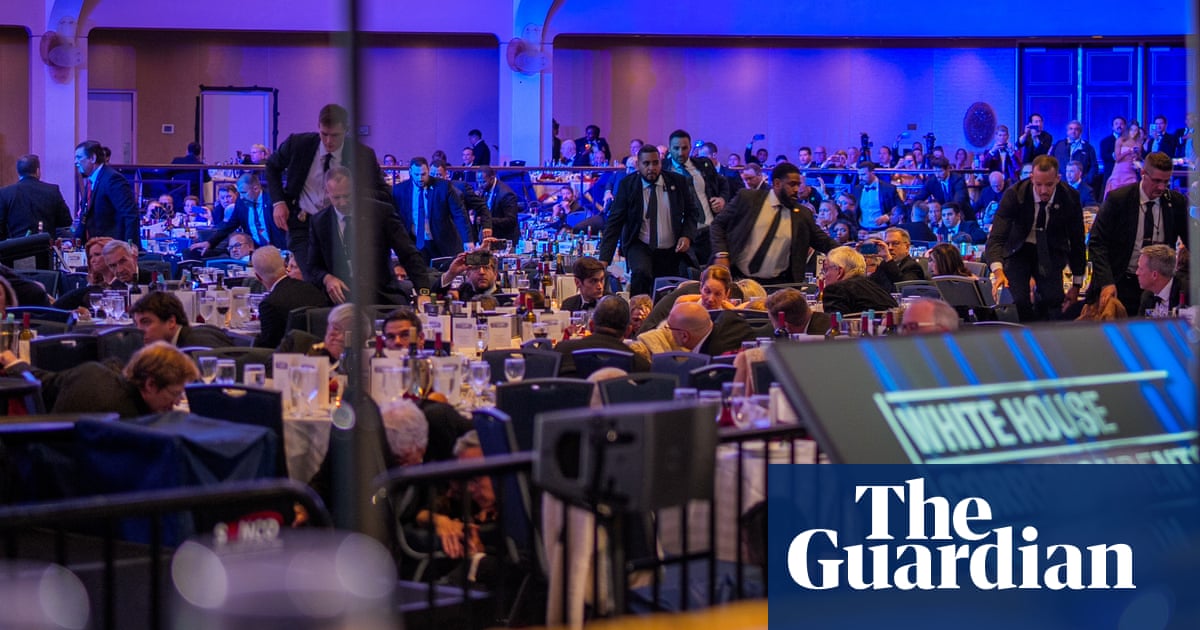
A shooting at the White House correspondents’ gala prompted a security review after an alleged attacker reportedly entered the Washington Hilton with multiple weapons and targeted administration officials, likely including the president. The incident injured one law enforcement officer and has already triggered calls for a House investigation, Secret Service briefings, and renewed debate over event and transportation security. While no broader physical harm to attendees was reported, the attack raises meaningful policy and security implications for federal protection protocols.
This is an incremental positive for federal security, defense-tech, and screening vendors, but the market impact should be more on budget allocation than on one-off incident response. The second-order effect is a higher probability of supplemental Secret Service funding, accelerated procurement for venue screening, and tougher security standards for high-profile events—small in absolute dollars, but potentially meaningful for contractors with exposure to portable detection, access control, and protective infrastructure. In a shutdown environment, however, the key constraint is timing: near-term headlines can be bullish for incumbents, but actual appropriations likely lag by weeks to months.
The more tradable angle is not the event itself, but the policy path it creates. If lawmakers attach security enhancements to must-pass legislation, the beneficiaries are firms with existing federal contracting footprints and low-friction deployment products; the losers are hospitality venues and event operators that face higher compliance costs, slower booking, and some margin pressure as insurers reprice large gatherings. A subtle but important read-through is that any push for more screening at transportation choke points would widen the addressable market for airport-style detection and perimeter systems far beyond one venue category.
From a risk standpoint, the market may initially overreact to the political theater, but the likely medium-term outcome is incremental spending, not a regime shift. The more material tail risk is if the story feeds a broader narrative of weakened public security, which could compress demand for premium event hospitality and raise insurance deductibles across travel/leisure assets for 1-2 quarters. Contrarian view: because the incident was contained, investors may overestimate the policy urgency; absent a committee investigation with bipartisan momentum, procurement cycles could still stall and the trade could fade after the first 1-2 news cycles.
AI-powered research, real-time alerts, and portfolio analytics for institutional investors.
Request DemoOverall Sentiment
moderately negative
Sentiment Score
-0.45
Ticker Sentiment
