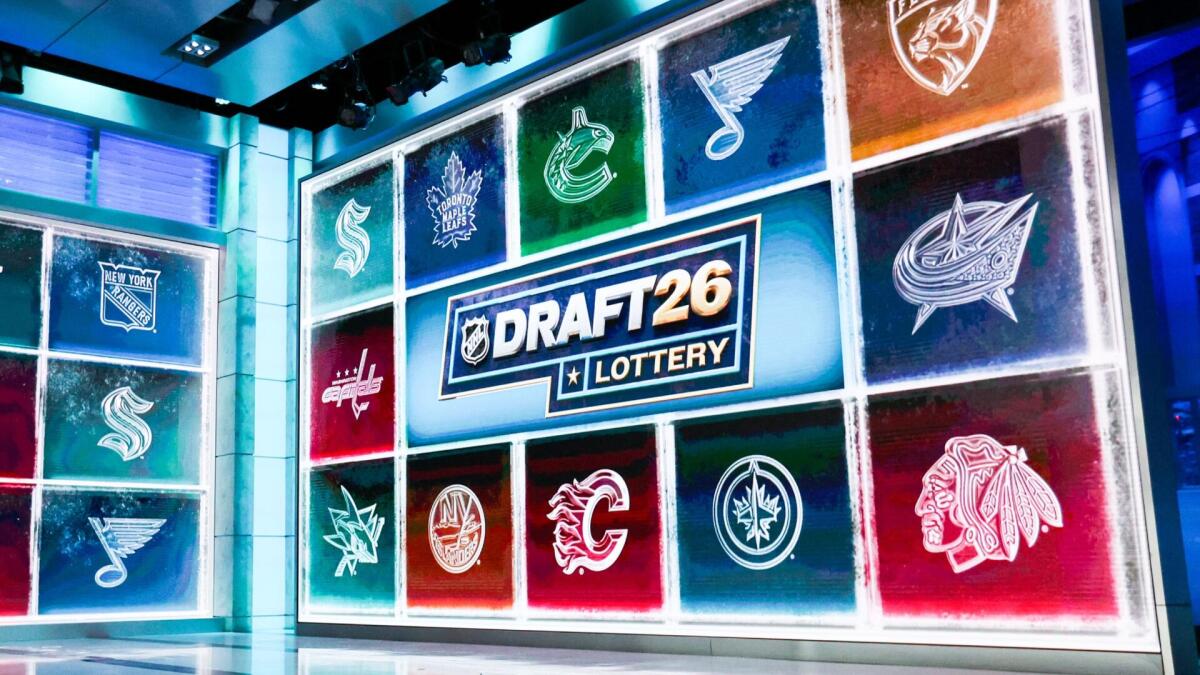
The Toronto Maple Leafs won the 2026 NHL Draft Lottery and now hold the No. 1 overall pick, a major boost for a franchise in a 59-year championship drought and potential help in keeping Auston Matthews long term. The San Jose Sharks moved up to No. 2, while the Vancouver Canucks slid to No. 3 despite entering the lottery with the best odds. The article frames the top pick as a potential franchise-altering asset, but the immediate market impact is limited.
This is a classic governance catalyst disguised as a sports outcome: the value isn’t the pick itself, but the optionality it creates around a fragile superstar decision. A top selection materially improves Toronto’s ability to sell a multi-year reset without forcing an immediate teardown, which should tighten the probability distribution on near-term roster continuity and reduce the odds of a disorderly fire sale. The key second-order effect is that the organization now has a credible asset that can be used either to accelerate the rebuild or to anchor a trade package if management pivots toward win-now help.
The market misread here is likely to underprice how much a franchise-defining draft outcome can compress negotiation leverage. If the club can credibly point to a premium young cost-controlled asset, it lowers the chance of a veteran exit and raises the odds that complementary pieces stay put, which matters for line stability and future competitive windows. Conversely, if the veteran does move later this offseason, the presence of the pick should soften the downside because it reduces the perception of a prolonged multi-year dead end.
For Vancouver, the issue is not just disappointment at the lottery table; it is timing risk. A pick in the top three is still valuable, but missing the absolute top outcome weakens the political narrative around the prior roster destruction and makes it harder to justify the pain already taken by the fanbase and stakeholders. That increases the odds of front-office churn or a more aggressive asset accumulation phase over the next 6-18 months, which can spill into player valuation and sponsor sentiment even if there is no direct public-market instrument.
Contrarian take: the consensus will likely overstate the immediate “turnaround” implications and understate execution risk. Elite picks are high-variance assets, and the real bottleneck is not draft slot quality but development, cap allocation, and whether management can preserve enough supporting talent for the prospect to matter by year two or three. The better read is that this improves Toronto’s probability of avoiding a full reset, not that it suddenly fixes the franchise.
AI-powered research, real-time alerts, and portfolio analytics for institutional investors.
Request DemoOverall Sentiment
mildly positive
Sentiment Score
0.20
