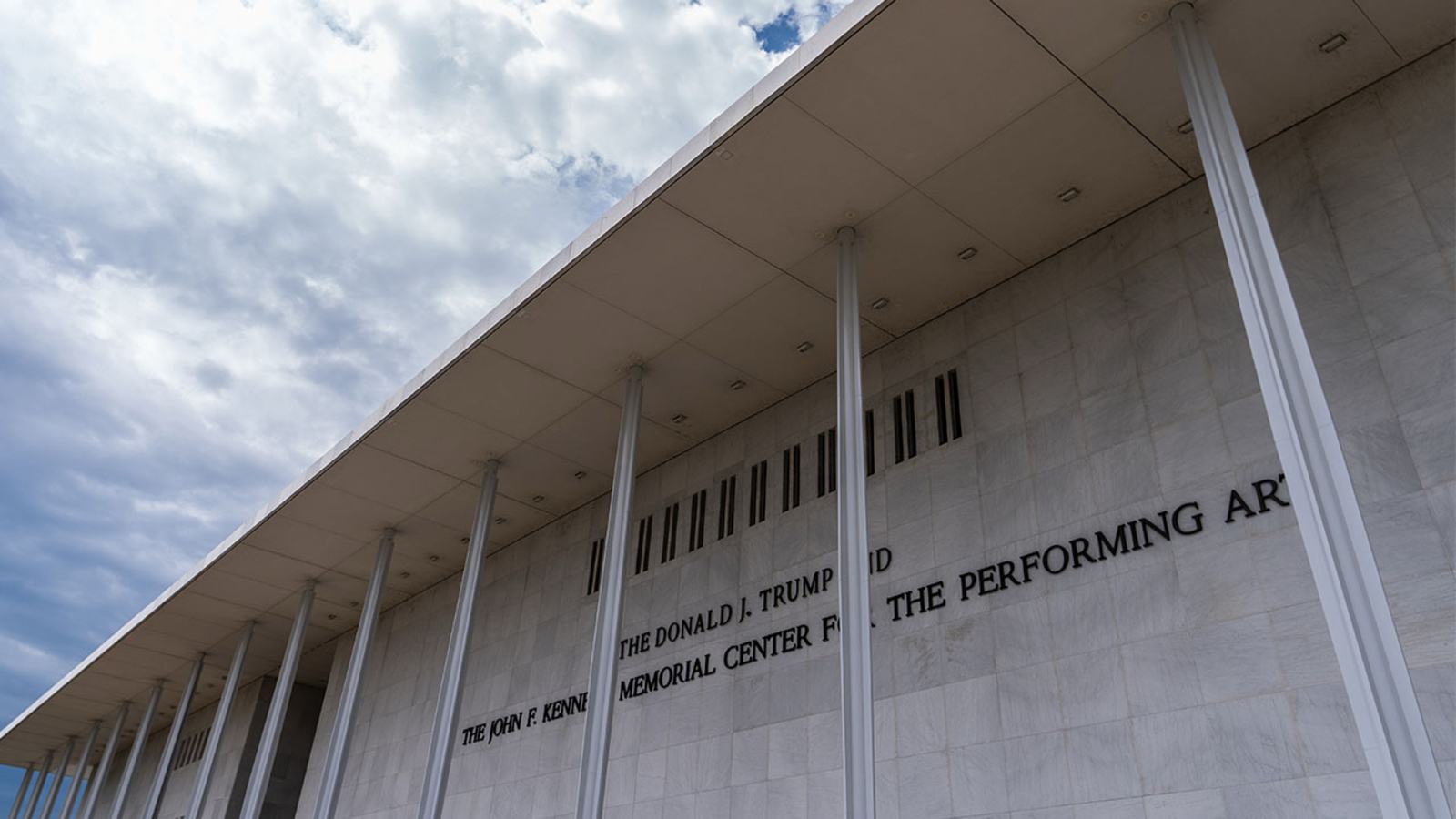
A federal judge blocked the Kennedy Center closure for renovations and ruled that President Donald Trump's name was illegally added to the venue. The court found the board's March 16 closure vote was "ill-informed and seemingly preordained" and that the board overstepped its statutory authority. The ruling favors Rep. Joyce Beatty's challenge while rejecting a separate lawsuit from preservation groups.
This is less a venue-specific story than a governance reset signal: the court is effectively reasserting that federally chartered cultural assets are not discretionary branding vehicles for an administration. That matters because it raises the legal cost of politicized changes across similarly structured institutions, and it likely slows any future effort to use major renovation windows as a pretext for operational control. The immediate market implication is reputational, not cash-flow-driven, but reputational damage can still affect donor behavior, booking leverage, and executive decision-making over the next 6-18 months.
The bigger second-order effect is on contractor and capital allocation risk. If closure plans are delayed or re-scoped, renovation timelines extend, which tends to increase soft costs, re-bid risk, and dispute probability; in public project settings, schedule slippage can add high-single-digit percentage points to total project cost. That favors the legal and advisory ecosystem, while hurting any firm positioned for a clean, politically-backed capital project cycle.
Contrarian take: the market may overestimate the permanence of the ruling. Courts can block process, but they rarely eliminate the underlying political objective; a revised board action or congressional intervention could resurrect the project on a 6-24 month horizon. So the right read is not "renovation canceled," but "execution risk moved from administrative to legislative," which usually lengthens timelines and compresses near-term optionality rather than killing the thesis outright.
AI-powered research, real-time alerts, and portfolio analytics for institutional investors.
Overall Sentiment
neutral
Sentiment Score
-0.10
