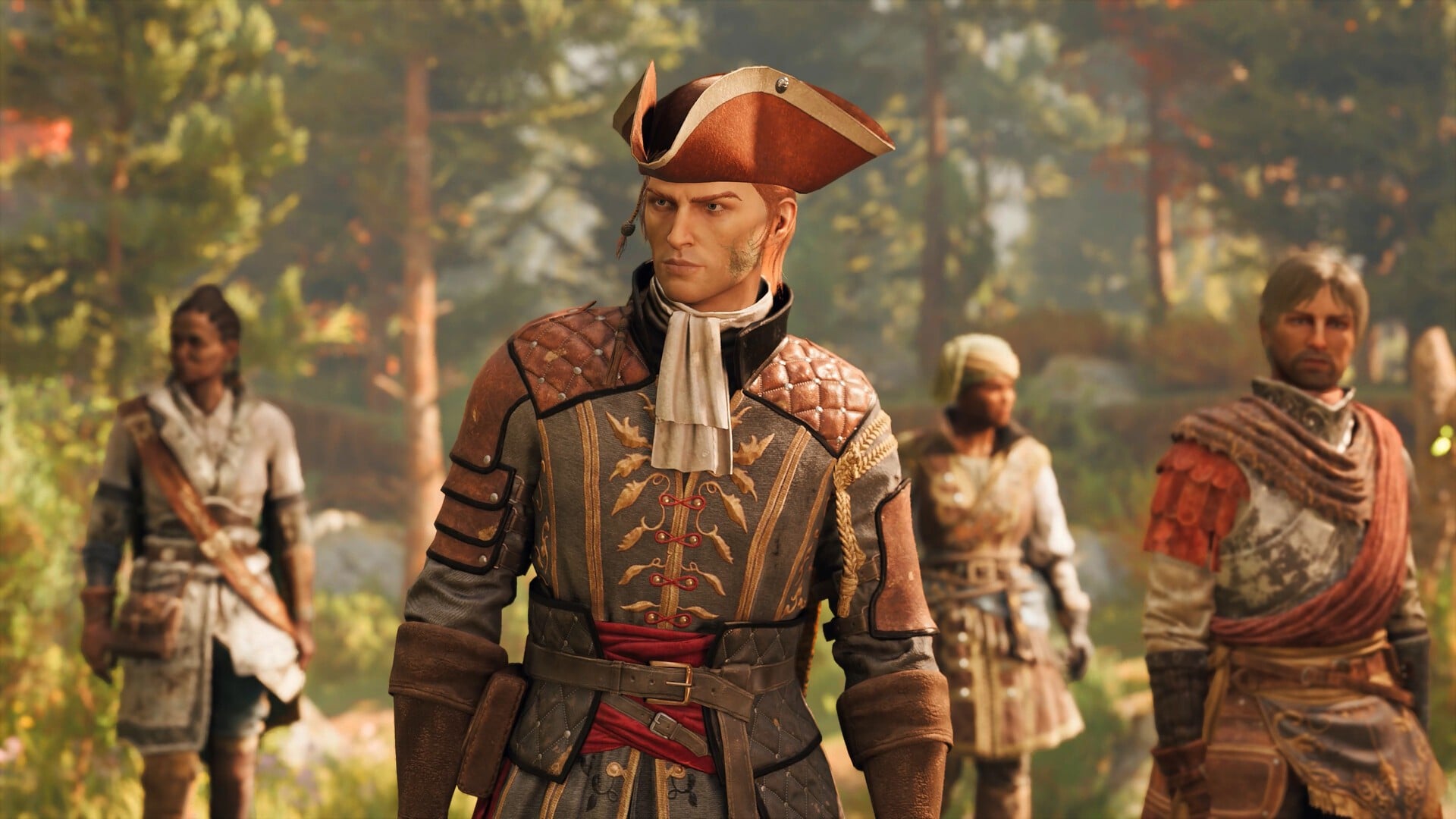
Nacon subsidiary Spiders is reported to be close to closure after restructuring efforts failed to find a buyer, with the court-appointed administrator expected to seek liquidation this Wednesday. The studio, known for GreedFall, Steelrising, The Technomancer and Bound By Flame, has reportedly shifted staff to CV updates and self-study while games development stalls. The news points to likely layoffs and another setback for Nacon's restructuring process.
This is a classic restructuring negative that is bigger for the platform holder than for the studio itself. The first-order hit is limited, but the second-order damage is the loss of optionality in a category where mid-tier RPG franchises are built on long development cycles, so any disruption to the pipeline tends to show up 12-24 months later in weaker release cadence, lower attach rates, and a more fragile catalog monetization profile.
The more important read-through is governance and capital allocation. When a publisher is forced into liquidation of a subsidiary rather than a clean sale, it usually means the asset is too operationally impaired for strategic buyers to underwrite, which raises the probability of broader remediation costs elsewhere in the portfolio. That can pressure vendor terms, delay payments to co-dev partners, and tighten access to external financing across the French/European AA game-dev ecosystem, making follow-on distress more likely in adjacent studios with similar cost structures.
For competitors, the near-term beneficiary is not a direct rival so much as higher-quality RPG publishers with stronger balance sheets and IP depth that can absorb displaced talent and potentially acquire stranded IP or tooling at a discount. Over months, this could modestly improve pricing power for remaining independent studios as talent scarcity intensifies, but in the near term it is a negative signal for investor confidence in small-cap game publishers broadly.
The contrarian angle is that the market may be over-penalizing any single-studio closure as if it were a franchise wipeout. If the core IP rights survive liquidation, the economic value may reappear through a fire-sale acquisition, remaster, or licensing transaction within 6-18 months, so the downside is more about timing and operating disruption than permanent IP destruction.
AI-powered research, real-time alerts, and portfolio analytics for institutional investors.
Request DemoOverall Sentiment
strongly negative
Sentiment Score
-0.78
