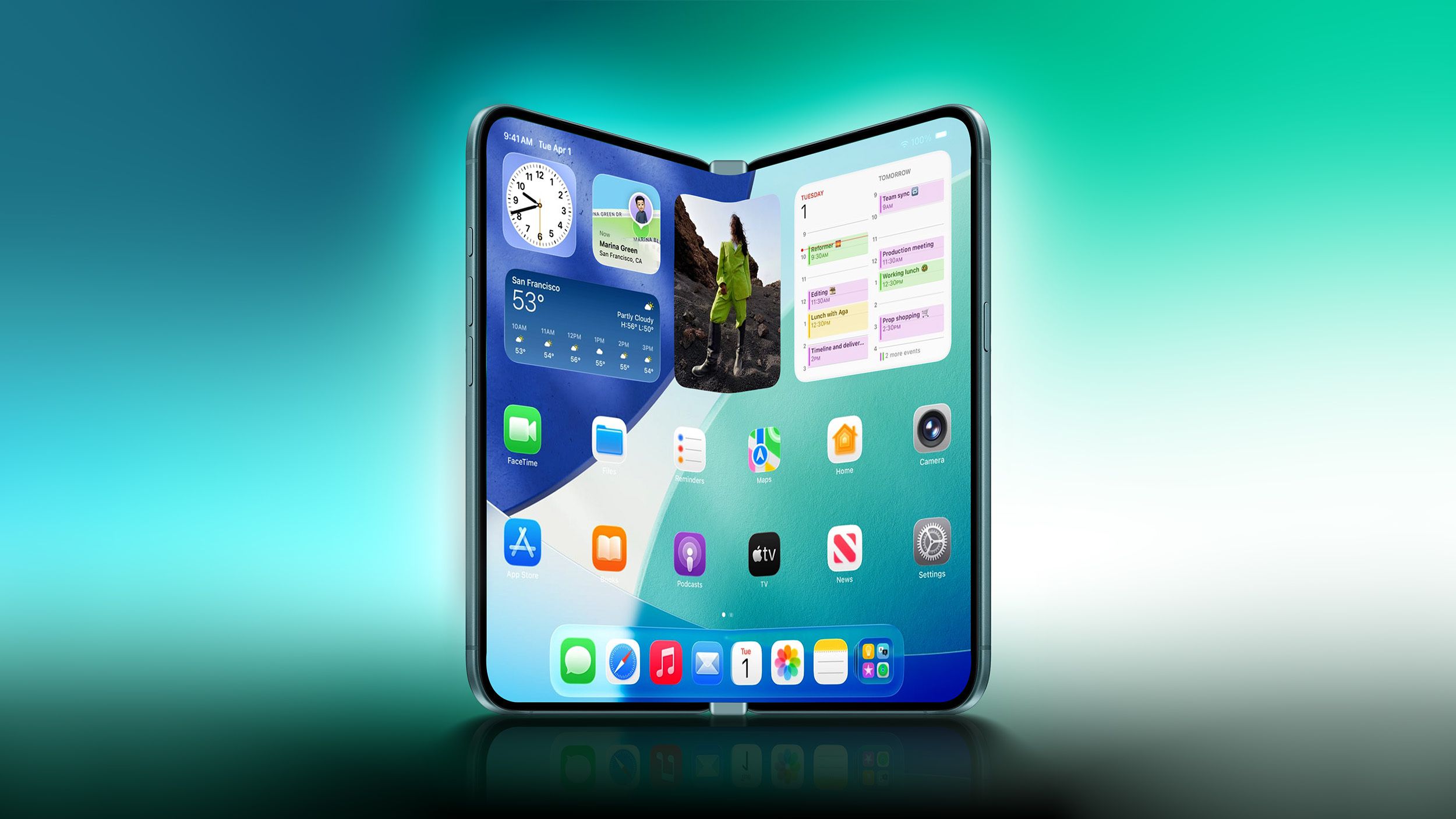
Analyst Jeff Pu indicates Apple's forthcoming foldable iPhone, anticipated in 2026, will utilize a frame composed of titanium and aluminum, signaling an expanded use of titanium across future iPhone Fold and Air models. This material strategy, divergent from earlier rumors of titanium and stainless steel, is critical for achieving the device's rumored ultra-thin profile while ensuring structural durability and managing weight. The move highlights Apple's advanced product development focus on material science, which could have implications for its supply chain and component manufacturers.
Apple's upcoming foldable iPhone will have a frame that's made from a mix of titanium and aluminum, analyst Jeff Pu said today in a note shared with investors. Pu suggested that Apple will expand its use of titanium, with the material set to be used in both the 2026 iPhone Fold and iPhone Air models. This isn't the first time a mixed metal chassis has been rumored for the foldable iPhone, because Apple analyst Ming-Chi Kuo said earlier this year that Apple will use multiple materials. While Pu says Apple is going to use titanium and aluminum, Kuo said that Apple will use titanium and stainless steel. He suggested that the foldable iPhone's hinge will be made from stainless steel and titanium, with the device's frame set to be made from titanium. Kuo also believes some hinge components will be made from Liquidmetal for further durability. The foldable iPhone is rumored to be as thin as 4.5mm when opened up, which would make it even thinner than the iPhone Air. It would need the strength of a titanium frame to prevent bending issues. Apple gave the iPhone Air a titanium frame, and that proved to be a good decision because multiple bend tests show that the titanium Apple used for the iPhone Air is resistant to bending. Kuo did not mention aluminum as a potential material for the foldable iPhone. Pu's wording isn't entirely clear on how Apple will use the two materials, but he's either suggesting that Apple plans to use a titanium and aluminum hybrid compound for the device's frame, or saying Apple will use titanium in some areas and aluminum in other areas. Additionally, the metal frame will turn favorable on increasing usage of titanium, which will likely be adopted by iPhone 18 Fold (titanium + aluminum) and iPhone 18 Air. Small amounts of aluminum are often used in titanium alloys, and the two metals can be combined in higher proportions as well. Since titanium is heavier than aluminum, Apple might also be planning to use titanium for the stress bearing parts of the frame and aluminum elsewhere to cut weight. Apple's foldable iPhone is expected to be part of the iPhone 18 lineup, launching in September 2026. Rumors suggest that the display will be around 5.5 inches in size when closed, unfolding to approximately 7.8 inches when opened up. More information about the foldable iPhone can be found in our guide. Analyst Jeff Pu reports Apple's 2026 iPhone Fold and iPhone Air models will incorporate a titanium and aluminum frame. This material selection is critical for achieving the rumored 4.5mm thinness while maintaining structural integrity, building on the successful bend-resistance of the iPhone Air's titanium frame. This material strategy diverges from prior analyst Ming-Chi Kuo's predictions of titanium and stainless steel, suggesting an evolving design. Pu's analysis implies either a hybrid alloy or strategic placement of titanium for stress points and aluminum for weight reduction, highlighting Apple's advanced material science focus for durability and ergonomics. The announcement is a speculative insight into a product nearly three years away, aligning with the "speculative" sentiment tone and low market impact score of 0.1. While providing a mildly positive directional signal for AAPL (0.6), the long lead time necessitates cautious interpretation of immediate investment implications.
AI-powered research, real-time alerts, and portfolio analytics for institutional investors.
Request DemoOverall Sentiment
mildly positive
Sentiment Score
0.25
Ticker Sentiment
