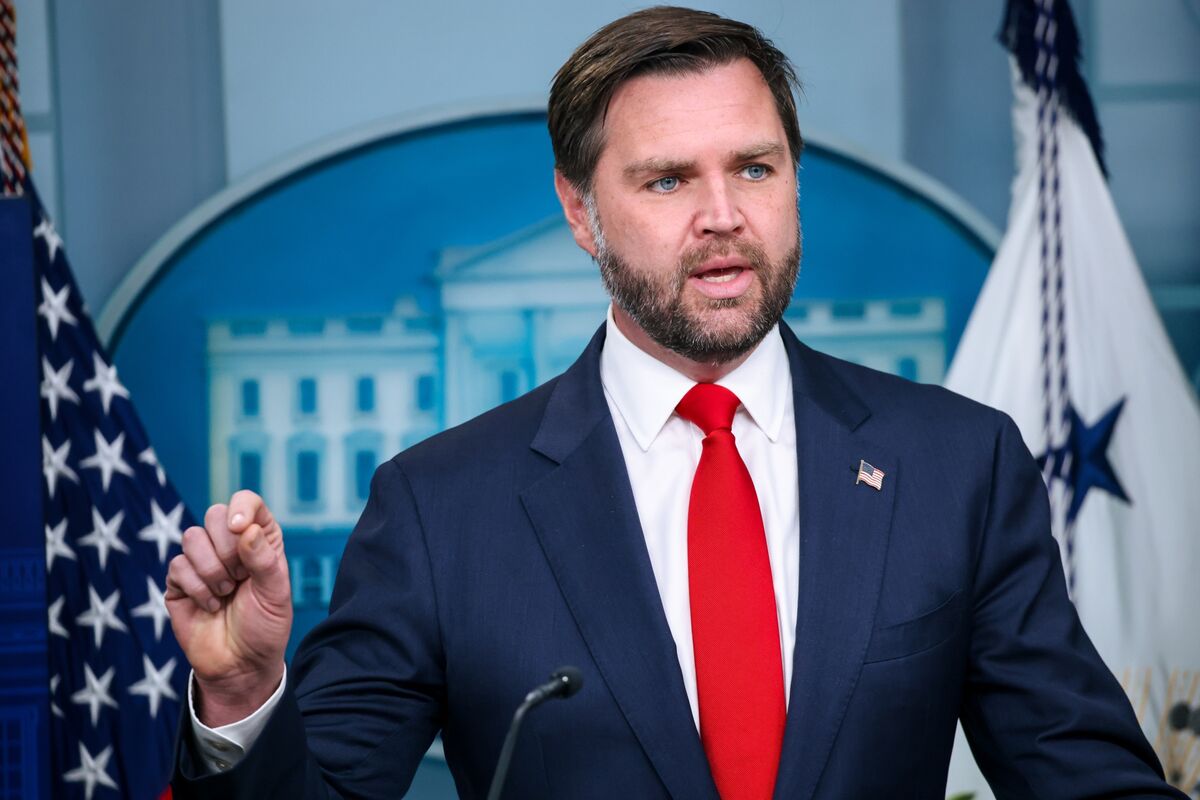
The US administration has signaled openness to a deal with China to alleviate escalating trade tensions, yet concurrently warned that Beijing's recent export controls present a major impediment to negotiations. Vice President JD Vance urged China to pursue a "path of reason," suggesting the US gains leverage if the dispute continues, while China countered by calling for an end to threats and a return to dialogue.
The US administration has indicated an openness to a trade deal with China, aiming to alleviate escalating tensions, while concurrently identifying Beijing's recent export controls as a significant barrier to negotiations. Vice President JD Vance's stance that the US gains leverage if the dispute persists, contrasted with China's call for an end to threats and a return to dialogue, highlights the complex and confrontational nature of current US-China relations. This situation generates a "mixed" sentiment and an "uncertain" tone, as reflected by the provided signals, suggesting a moderate market impact (0.5). The ongoing geopolitical friction, categorized under "Trade Policy & Supply Chain" and "Sanctions & Export Controls" themes, implies continued volatility for global markets and supply chains. The absence of specific company tickers suggests a broad, macro-level influence rather than direct, firm-specific implications.
AI-powered research, real-time alerts, and portfolio analytics for institutional investors.
Request DemoOverall Sentiment
mixed
Sentiment Score
-0.10
