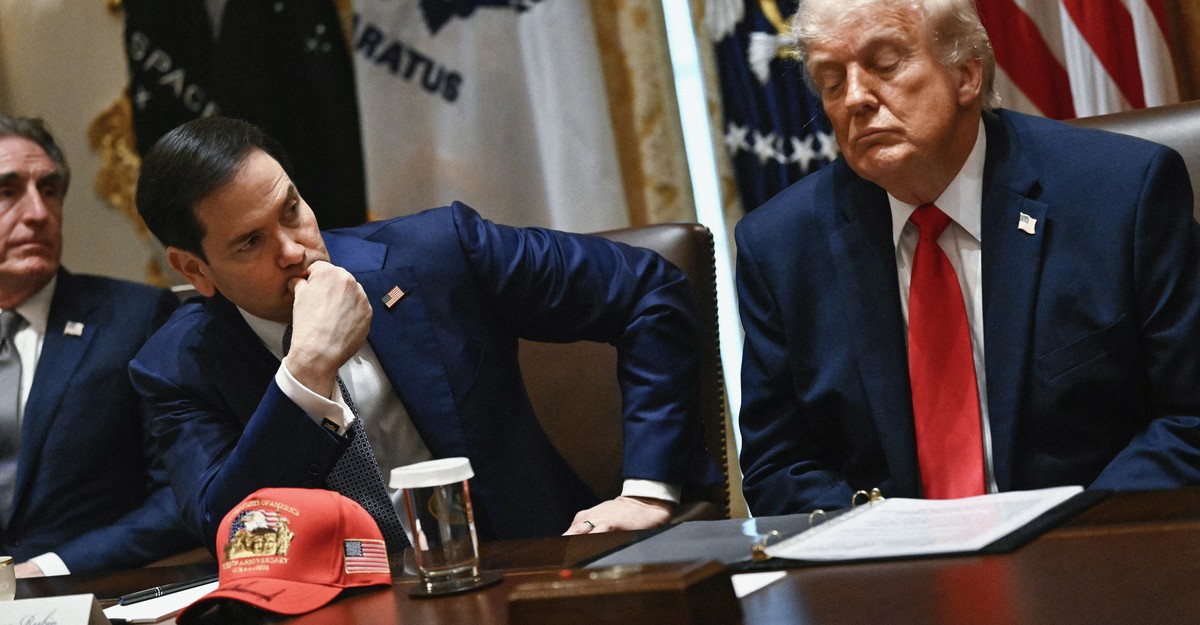
Trump has not secured the Iran deal he said was nearly done, with talks still stalled over a possible 60-day framework, Strait of Hormuz access, sanctions relief, and an extended cease-fire in Lebanon. The unresolved standoff keeps geopolitical risk elevated for Gulf shipping and energy markets, with the Strait effectively constrained and oil flows already disrupted. Public pushback from Iran hawks and uncertainty around U.S. red lines suggest negotiations could drag on and remain market-sensitive.
The market read-through is not “peace premium” but a volatility regime shift in energy and shipping. The key second-order effect is that even a partial reopening of Hormuz does not erase the new option value Iran has demonstrated: it has proven it can temporarily impair a critical chokepoint, which should keep a geopolitical risk premium embedded in crude, LNG-linked equities, tanker rates, and defense logistics for months rather than days. The bigger macro implication is that Washington appears boxed into a strategy that is expensive to maintain and easy for the market to doubt. If investors conclude the administration is overstating progress, the immediate reaction is likely a fade in front-end oil spikes and a re-steepening of the backwardation squeeze trade; if talks fail, the next leg higher in fuel prices could be driven less by lost barrels than by insurance, rerouting, and inventory hoarding across the transport chain. The contrarian point is that the current market may still be underpricing the probability of a messy, non-event outcome: no formal deal, no full-scale war, and a prolonged quasi-blockade. That is the most inflationary path because it keeps physical supply impaired while also forcing buyers to carry more working capital and more days of supply. In that scenario, the winners are not just upstream producers but also names with pricing power in midstream, marine transport, and defense electronics; the losers are airlines, chemical/feedstock consumers, and import-heavy industrials. Catalyst timing matters: the next 1-2 weeks are mostly headline risk and position-squaring, but the real move comes over 1-3 months if shipping normalizes only in stages or if sanctions relief is delayed. Any sign that Gulf states are privately pressuring for de-escalation is a short-term downside catalyst for oil, but a resumption of strikes or a fresh U.S. interdiction would reprice the curve much faster than most investors expect.
AI-powered research, real-time alerts, and portfolio analytics for institutional investors.
Request DemoOverall Sentiment
mildly negative
Sentiment Score
-0.35
