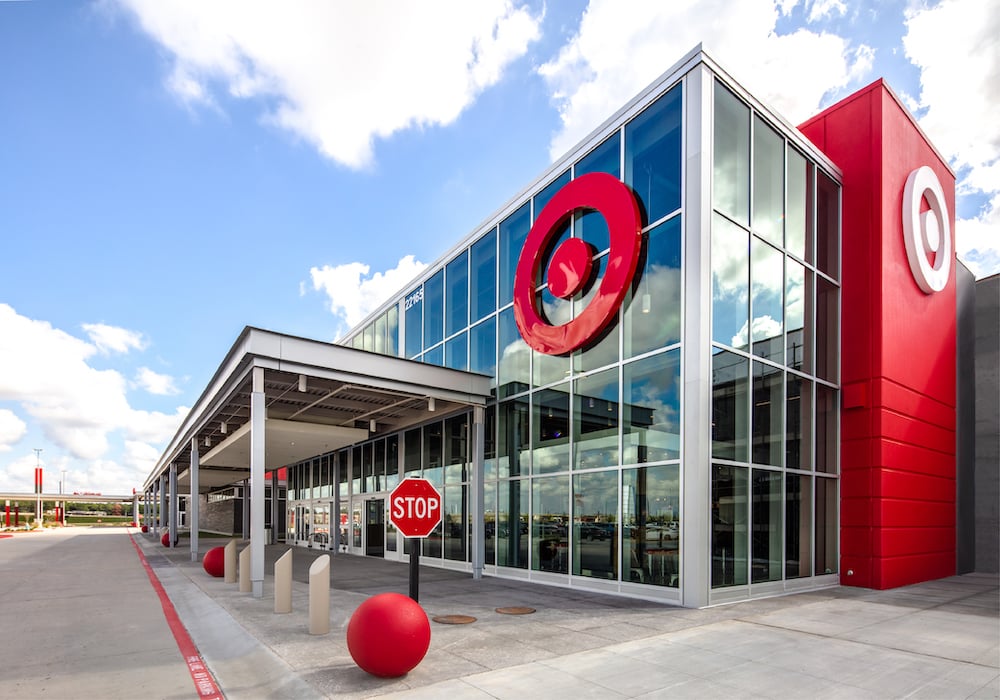
Target posted solid Q1 results, with sales up 6.7% to $25.4 billion, comparable store sales up 4.7%, adjusted operating income up 29% to $1.1 billion, and adjusted EPS up 32% to $1.71. Management raised full-year sales growth guidance to 4% from 2% and expects adjusted EPS near the upper end of its $7.50 to $8.50 range, but CFO commentary on weakening consumer sentiment led to a cautious outlook. The stock fell after the report as investors locked in gains following a more than 46% run over the past six months.
The market is treating this as a classic “good quarter, weaker tape” setup, but the more important read-through is that Target is regaining pricing and mix power without having to fully lean on promo. That matters because it suggests the company is finally getting leverage from prior capex and assortment work, which can support gross margin even if traffic softens modestly over the next 1-2 quarters. The immediate winner is Target itself; the secondary loser is any peer relying on a broader value gap to defend share, because Target’s improving digital and same-day economics narrow a service gap that has been a differentiator.
The caution flag is not the quarter; it is the durability of demand into late summer and back-to-school if gasoline keeps acting like a tax on discretionary spend. Higher fuel is disproportionately negative for middle-income baskets and suburban trip frequency, which means the risk shows up first in units, then in basket mix, then in margin if management responds with more markdowns. A slowdown in consumer sentiment would also hit the high-margin ad and marketplace-like revenue streams first, so the earnings multiple can compress faster than sales.
The move looks directionally right but probably over-discounted near term because positioning had become crowded after the stock’s run. The market is likely pricing a “peak beat” narrative, while the more durable story is that the cost-reset plus merchandising improvements could keep earnings revisions positive even if top-line growth decelerates. The key contrarian point: if inflation stabilizes or gasoline rolls over, Target’s earnings power can re-accelerate quickly because operating leverage is now much better than it was a year ago.
AI-powered research, real-time alerts, and portfolio analytics for institutional investors.
Request DemoOverall Sentiment
mildly positive
Sentiment Score
0.15
Ticker Sentiment
