

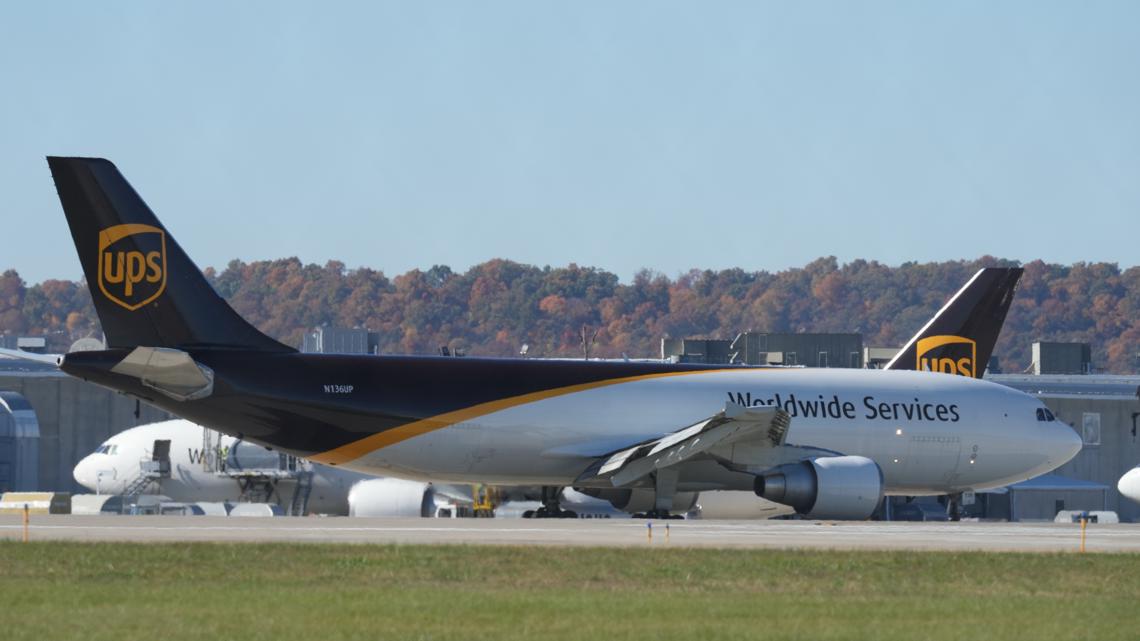
UPS Flight 1303 performed a go-around at Louisville Muhammad Ali International Airport after a small aircraft turned onto the runway without authorization, according to an FAA spokesperson. UPS said the Boeing 767 maneuver was completed safely with no operational impact and no injuries. The article is primarily an operational safety update, with limited expected market impact.
This is not a direct earnings event for UPS so much as a signal that the company’s operational risk premium remains elevated after a recent fatal cargo accident. That matters because the market typically underprices recurring “process” risk until it shows up in higher insurance, tighter pilot availability, slower ramp plans, or more conservative FAA oversight. Even without a direct delay, repeated runway incidents can translate into higher compliance costs and a higher probability of schedule padding across the hub network over the next 3-12 months.
The second-order issue is network fragility at the Louisville hub. Worldport is a concentration point, so any incremental scrutiny there can disproportionately affect domestic next-day reliability and aircraft utilization, which are the real economic drivers of express margins. Competitively, this is a relative opportunity for FedEx and potentially Amazon Air if customers begin valuing redundancy over pure speed, especially for high-value B2B freight that tolerates small price premiums for better continuity.
For Boeing, the read-through is softer but still relevant: while the aircraft type itself is not the issue, cargo operators under pressure tend to favor fleet simplicity, reliability, and low-touch maintenance. If UPS continues trimming legacy complexity and leaning into newer frames, that supports incremental demand for efficient freighters over time, but near-term this is more about operator behavior than OEM pricing power. The contrarian angle is that the market may overreact to headline aviation incidents while underestimating the fact that UPS has strong procedural discipline; if regulators conclude this was an isolated ATC/runway event, the stock impact should mean-revert quickly.
Risk timing is mainly days to weeks for headline pressure, but months for any true operational or regulatory cost inflation. The key catalyst to watch is whether the FAA turns this into a broader review of the hub, which would move the issue from sentiment to fundamentals. Absent that, the current setup looks more like a modest valuation overhang than a thesis-breaker.
AI-powered research, real-time alerts, and portfolio analytics for institutional investors.
Request TrialOverall Sentiment
neutral
Sentiment Score
-0.10
Ticker Sentiment
