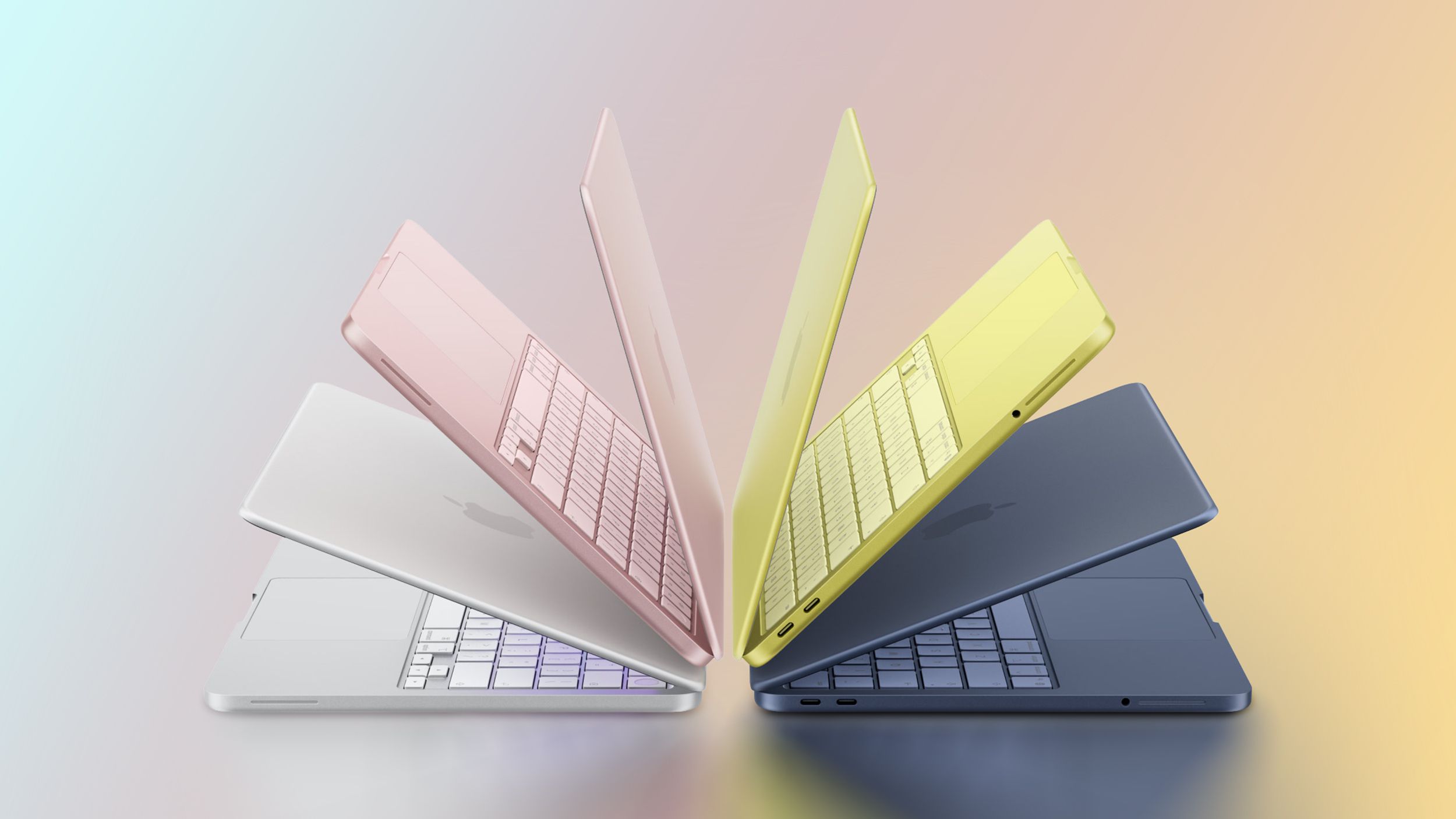
Apple launched the entry-level MacBook Neo starting at $599 (education $499); analyst Ming‑Chi Kuo says a second‑generation model arriving in 2027 may add a touchscreen. The current Neo uses the A18 Pro (iPhone 16 Pro chip), 8GB RAM, a 13-inch Liquid Retina display, 1080p camera and ~16‑hour battery, positioned to compete with low-cost Windows laptops and Chromebooks. Kuo expects second‑gen specs are under discussion but could include an A19 Pro and 12GB RAM, while Bloomberg's Mark Gurman says Apple may expand “Neo” branding to other budget devices like the Apple Watch SE.
Apple shifting product architecture and branding to capture the low-end of the computing market is not just a unit-volume story — it's a lifetime-value lever. Lower-friction entry points accelerate ecosystem onboarding (ID/email/Apple ID + iCloud + App Store) and, conservatively, could lift services penetration among new low-end buyers by 8–15 percentage points over three years, turning each sub-$X device into a multi-year annuity rather than a one-off hardware sale.
A move to integrate touch across more Mac hardware and to reuse mobile-class SoCs materially changes the BOM and supplier mix: expect higher incremental demand for mobile-node wafers, advanced packaging, and integrated display/touch fabs while legacy PC component suppliers (large discrete GPU / x86 CPU buyers) face slower growth. That creates a two-speed supply chain where foundries and on-cell/OLED-capable display makers can command accelerated order flow and pricing power, even as OEMs that cannot pivot quickly (or that compete on margin-thin Windows boxes) face compressing ASPs.
The main risks are execution and margin dilution. If Apple prioritizes unit share over ASP, near-term gross margins could compress, pressuring reported profits for 2–4 quarters before services monetization materializes. Alternate reversal catalysts: (1) weaker-than-expected attach rates for paid services from new buyers, (2) display/on-cell supply bottlenecks raising costs, or (3) competitive price responses from large Windows/Chrome OEMs that trigger a race-to-the-bottom — any of which would compress the upside into a 6–18 month window rather than the 2–5 year view implied by ecosystem value.
AI-powered research, real-time alerts, and portfolio analytics for institutional investors.
Request DemoOverall Sentiment
mildly positive
Sentiment Score
0.15
Ticker Sentiment
