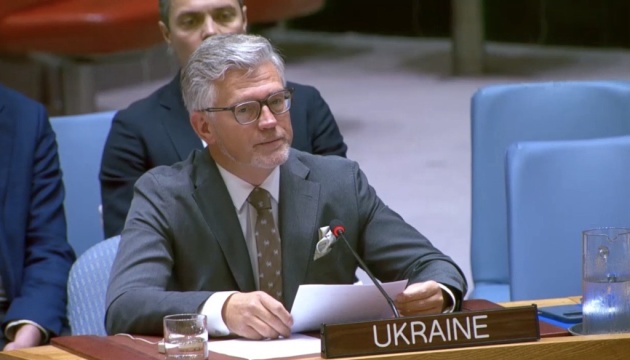
Ukraine’s UN ambassador accused Russia of illegally holding a Security Council seat and of ongoing violations of the UN Charter through its war against Ukraine, including strikes on civilian targets, child abductions, torture, and sexual violence. He urged UN member states to strip Russia of its privileged status and criticized Moscow’s use of veto power. The remarks reinforce the geopolitical and security backdrop but are unlikely to directly move broad markets on their own.
The market takeaway is not the rhetoric itself but the growing probability of a protracted institutional stalemate that keeps war risk embedded in European asset pricing. That typically supports a persistent bid for defense, cyber, ISR, and critical-infrastructure hardening budgets, while continuing to pressure any European businesses with meaningful Ukraine, Black Sea, or eastern logistics exposure. The second-order effect is a gradual re-rating of supply-chain redundancy: firms that can dual-source, reroute freight, or localize components should continue to outperform peers with concentrated Eurasian exposure.
The bigger medium-term implication is for sovereign-risk premia and sanctions durability. If rhetoric hardens into a wider push to challenge Russia’s UN standing, the probability of additional sanctions packages rises, but the more actionable market effect is on compliance costs and payment friction rather than headline commodity shocks. That favors regulated incumbents and larger contractors with stronger legal/compliance infrastructure, and it disadvantages smaller exporters, insurers, and shippers that lack balance-sheet capacity to absorb policy whiplash.
The near-term catalyst is any escalation tied to civilian infrastructure attacks or a broader UN confrontation, which would likely keep European defense names bid for weeks rather than days. Conversely, the main contrarian risk is fatigue: if investors have already priced a static conflict, incremental headlines may not move beta much unless they alter funding, sanctions enforcement, or force posture. The opportunity set is therefore less about directional macro and more about relative value within European industrials, defense, and logistics, where the market still underprices duration and legal friction.
AI-powered research, real-time alerts, and portfolio analytics for institutional investors.
Request DemoOverall Sentiment
strongly negative
Sentiment Score
-0.55
