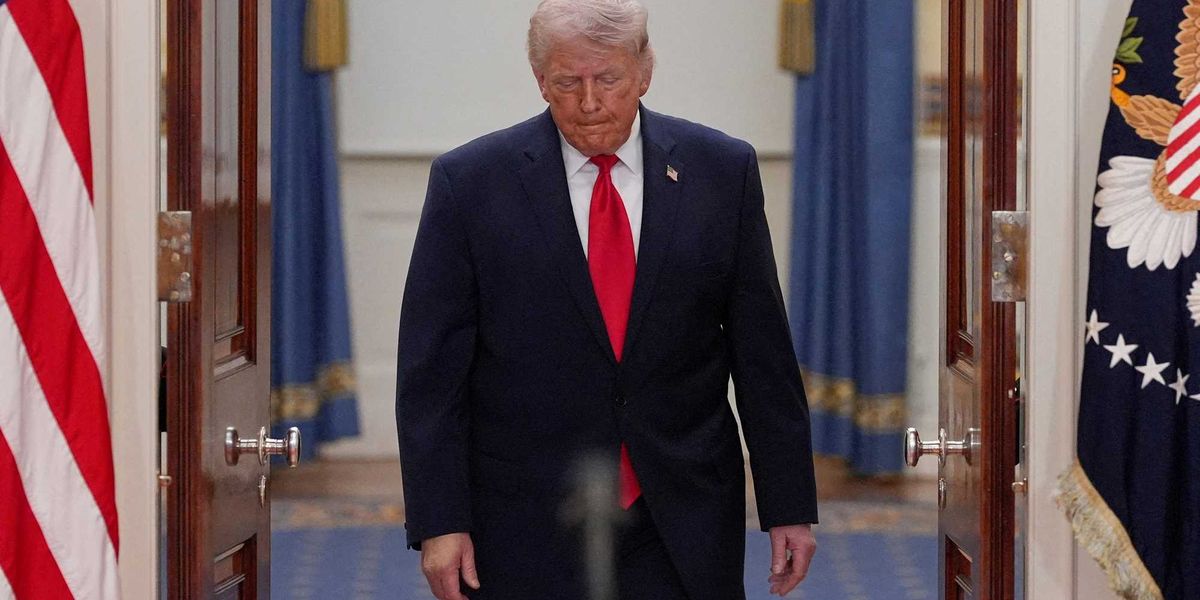
Oil prices are heading higher, with futures above $100 per barrel and spot prices around $140, as the Iran war threatens tighter supply and broader inflation. Economists warn that higher diesel, shipping, and trucking costs will filter through to consumer goods, making the next inflation spike worse if producers cannot ramp output soon. Trump’s attempts to talk down oil prices may be creating temporary dips, but analysts say they are delaying needed supply responses and increasing the eventual shock.
The key market issue is not just higher crude, but the lagged pass-through into freight, chemicals, packaging, airlines, and consumer staples margins. The first-order move is in oil, but the second-order winner is the inflation duration trade: persistent energy costs keep headline CPI sticky, which delays any easing in rates and keeps real yields elevated. That is a direct headwind for long-duration equities, highly levered consumers, and rate-sensitive cyclicals, while upstream energy and select refiners gain pricing power.
The bigger risk is a credibility trap: each successful verbal dip in oil suppresses hedging and delays physical supply response, so the eventual spike can be sharper than a straight-line move would imply. That creates a convexity problem over the next 2-8 weeks — producers and shippers may discover they are underhedged into a tightening spot market, while end-users face a sudden jump in spot diesel and marine fuel costs. If the conflict broadens or shipping lanes are perceived at risk, the move can propagate from energy into inventory re-pricing and working-capital stress for importers.
Consensus is likely underestimating the margin squeeze outside the obvious energy winners. The more interesting short is not just broad market beta, but businesses with high fuel intensity and weak pass-through, especially transport, parcel, and discretionary retail. Conversely, the market may be over-discounting the inflation impulse if it assumes a quick resolution; even without further escalation, reduced supply elasticity means prices can stay elevated longer than headlines suggest, keeping the shock alive into Q2 earnings revisions.
The contrarian angle is that if crude spikes too fast, it invites aggressive policy response and demand destruction, which can cap the upside after an initial overshoot. That means the best risk/reward is likely in options or relative value rather than outright commodity longs: you want exposure to a 10-20% move in crude or a 5-10% widening in transport fuel spreads, while defining downside if diplomacy or SPR coordination blunts the shock.
AI-powered research, real-time alerts, and portfolio analytics for institutional investors.
Request DemoOverall Sentiment
strongly negative
Sentiment Score
-0.65
