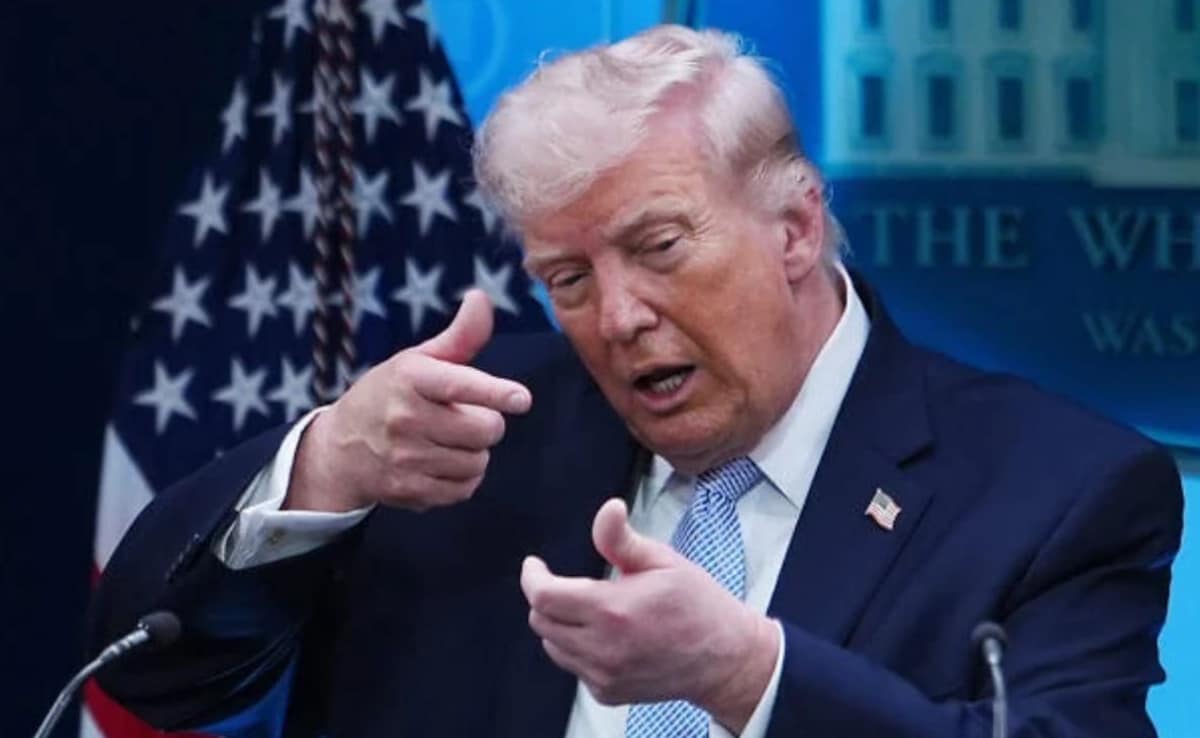
Trump said Iran cannot "blackmail" the US over the Strait of Hormuz, while Tehran said it is still reviewing new US proposals and keeping the waterway under strict control amid a continued US naval blockade. The standoff raises the risk of disruption to a chokepoint that is critical for global oil and shipping flows. Despite Trump's optimism about a possible deal by day's end, the article points to elevated geopolitical and energy-market volatility.
The market is likely underpricing the difference between a rhetorical closure and an enforceable disruption. The real transmission channel is not crude volume lost overnight, but the jump in freight insurance, charter rates, and working capital tied to rerouting and delay risk; that hits refiners and import-dependent industrials before it hits headline oil balances. In the next 1-7 sessions, the fastest repricing should show up in energy volatility, tanker rates, and defense/security names with Middle East exposure as buyers hedge tail risk rather than wait for confirmation.
The second-order winner is not just upstream energy, but any firm with pricing power over constrained logistics capacity. If ships avoid the strait even briefly, Middle East-linked LNG, condensate, and refined-product flows become the bottleneck, which can lift regional basis differentials more than global Brent. That favors names with minimal exposure to feedstock disruption and hurts airlines, chemical producers, and transport operators through a lagged margin squeeze over 2-8 weeks as inventory is repriced.
The key contrarian point is that this kind of geopolitical stress often compresses into a short-duration volatility event unless there is a physical incident. That means outright energy longs can be crowded and lower-conviction if the market prices in a durable supply shock that diplomacy then defuses within days. The asymmetric opportunity is to own convexity: risk is capped premium, but a genuine maritime incident or failed negotiation could produce a much larger move in freight, insurance, and oil than the headline suggests.
Watch for any narrowing in rhetoric that implies a managed off-ramp; that is the most likely reversal catalyst. Conversely, if navies shift from blockade language to inspection/interdiction mechanics, the trade evolves from headline risk to real throughput risk, which is a materially bigger macro problem over the next 1-3 months.
AI-powered research, real-time alerts, and portfolio analytics for institutional investors.
Request TrialOverall Sentiment
mildly negative
Sentiment Score
-0.35
