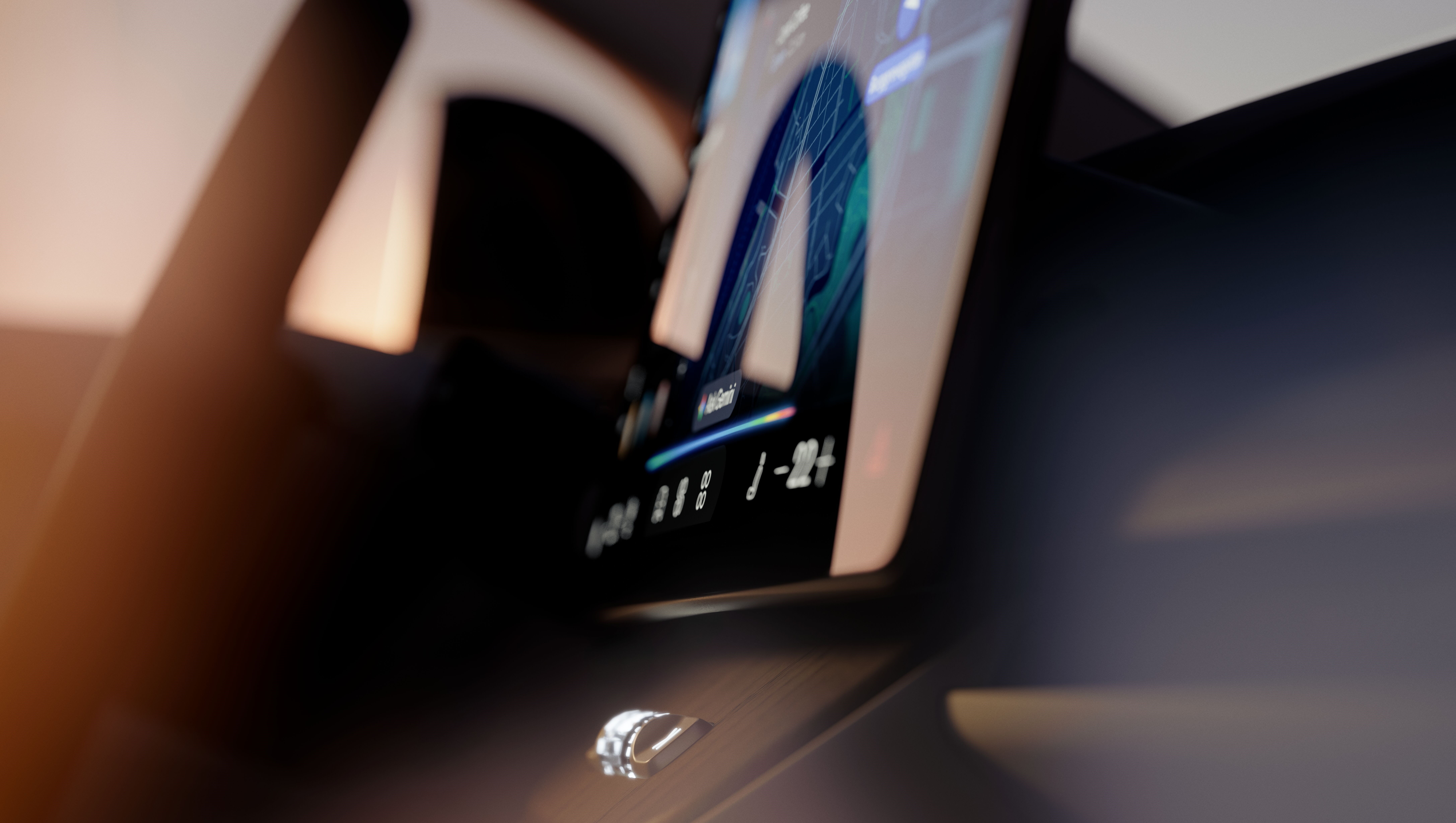
Volvo Cars will reveal the all-electric EX60 on 21 January 2026, a mid-size SUV positioned as its most technologically advanced model featuring Google’s Gemini conversational AI, an in-house HuginCore software-defined architecture, Qualcomm Snapdragon cockpit/connectivity platforms and NVIDIA DRIVE AGX Orin compute; the EX60 claims up to 810 km WLTP range (AWD) and can add up to 340 km in ten minutes on a 400 kW charger. The launch reinforces Volvo’s software-defined, OTA-update strategy and deep tech partnerships, potentially strengthening product differentiation in the EV market; Volvo also reported record 2024 results with core operating profit SEK 27 billion, revenue SEK 400.2 billion and global sales of 763,389 cars.
Market structure: Volvo’s EX60 launch crystallizes a software-defined car value chain where cloud AI (GOOGL), AI compute (NVDA), and connectivity/SoC (QCOM) capture a larger share of lifetime vehicle economics (software, maps, subscriptions). Expect pricing power and gross-margin expansion for suppliers of cockpit/ADAS stacks over 12–36 months as OEMs shift CapEx to recurring software/AI services; legacy infotainment suppliers and non-integrated Tier‑1s risk margin compression and share loss of 5–15% in design wins over two model cycles.
Risk assessment: Tail risks include regulatory/privacy fines (EU/US rules on in-car data) and large-scale software recalls: a single safety software recall could erase 3–7% of an OEM’s market cap and spike supplier stock volatility for weeks. Time horizons: immediate (days) event-driven moves around Jan 21; short-term (0–9 months) for supply agreements and software rollouts; long-term (1–3 years) for monetization and recurring revenue. Hidden dependencies: reliance on Google cloud/GMS licensing, mobile carrier costs after four-year free data, and cybersecurity liabilities.
Trade implications: Tactical tilt 150–250bp toward NVDA, QCOM, GOOGL versus broad auto OEM exposure over 3–12 months; use protective option structures (debit call spreads for NVDA, LEAPs for GOOGL) to limit downside. Catalyst windows: Volvo reveal Jan 21 (price/volume moves), subsequent supplier contract announcements (0–3 months), and FY/quarterly earnings where OEMs disclose software ARPU (3–12 months).
Contrarian angles: Market may overestimate near-term monetization—expect real service ARPU to ramp slowly (€50–€200/year first 24 months) and OEMs to shoulder recurring connectivity costs beyond four years. Reaction could be underdone for regulatory/cyber risk; therefore size positions conservatively and prefer option-defined risk. Historical parallel: smartphone platform transitions—hardware winners (Apple/Qualcomm) benefited but only after a multi-year developer and regulatory moat built up.
AI-powered research, real-time alerts, and portfolio analytics for institutional investors.
Request DemoOverall Sentiment
moderately positive
Sentiment Score
0.45
Ticker Sentiment
