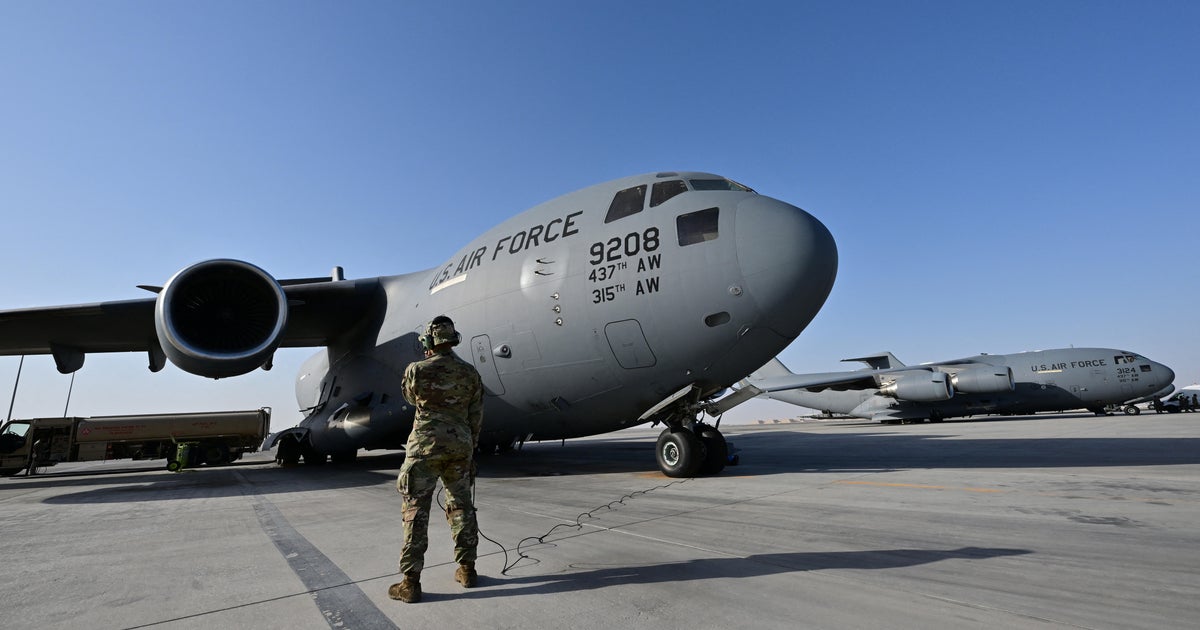
U.S. forces have withdrawn a small number of personnel from Al Udeid airbase in Doha as a precautionary drawdown amid President Trump's threats to target Iran over its crackdown on protesters and Iran's warnings of retaliation. Al Udeid, CENTCOM's forward operating headquarters that normally hosts roughly 8,000–10,000 U.S. troops, was partially vacated similarly last summer prior to an Iranian ballistic missile retaliation; officials say potential options being weighed include cyber and psychological operations alongside conventional force. The move reduces on-base exposure and raises regional risk, with potential implications for defense posture and risk assets sensitive to Middle East escalation.
Market structure: Near-term winners are large defense primes (Lockheed LMT, Northrop NOC, Raytheon RTX, L3Harris LHX) and cybersecurity vendors (PANW, CRWD, FTNT) as demand for missile defense, ISR and cyber tools rises; losers include commercial airlines (DAL, UAL), cruise operators (CCL, RCL) and Gulf-exposed EM equities. Pricing power shifts to prime contractors able to deliver interceptors, electronic warfare & satellite services; oil and shipping-insurance spreads will re-price if tankers avoid the Gulf.
Risk assessment: Tail risks include an Iranian asymmetric campaign that disrupts 1–3% of seaborne oil (Strait of Hormuz impact) causing a $10–$35/bbl shock, or cyberattacks hitting financial infra; probability low-moderate but high impact. Immediate (days): volatility spike across oil, gold, VIX; short-term (weeks): defense names could outperform by +5–20%; long-term (quarters): incremental defense/cyber budgets and higher shipping insurance could sustain revenue for specific suppliers.
Trade implications: Favor capped upside (call-spreads) on LMT/NOC/RTX and targeted energy convexity (Brent $85/$100 call spreads) with 1–2% position sizing; hedge portfolios with 0.5–1% TLT and 1–2% GLD. Short selective travel names (JETS ETF, DAL) with 1% funded puts for 30–60 days; prefer relative trades (long RTX vs short BA) to isolate defense vs commercial exposure.
Contrarian angles: The market often overreacts for 2–8 weeks — 2019 Gulf incidents show mean reversion in 3–6 months; defense multiples can compress if escalation is contained. Use time-limited, costed option structures; avoid large outright equity buys without an escalation trigger (e.g., confirmed attacks on bases or >2% sustained oil supply disruption).
AI-powered research, real-time alerts, and portfolio analytics for institutional investors.
Request DemoOverall Sentiment
moderately negative
Sentiment Score
-0.60
