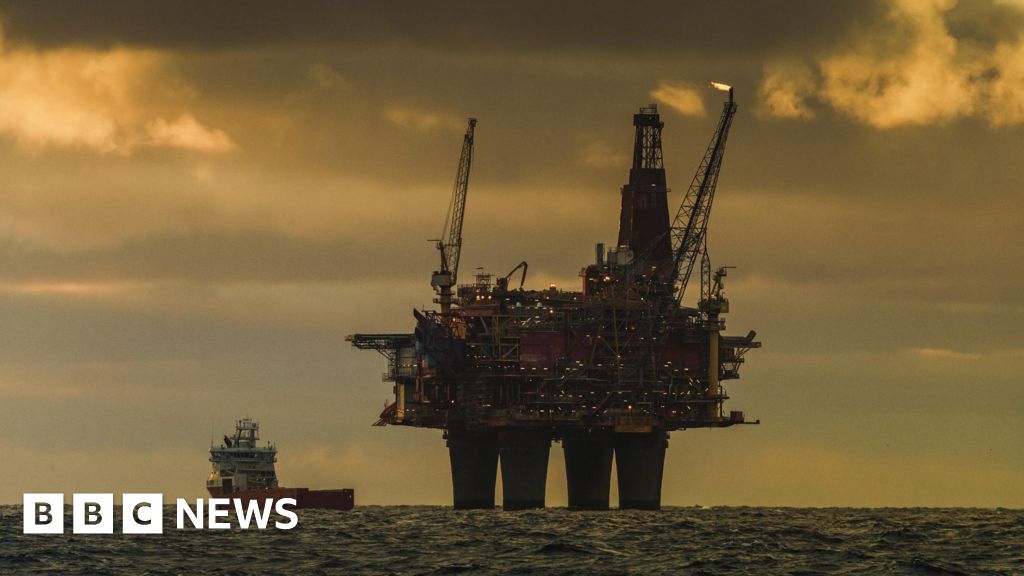
A proposed 300 million barrel coordinated release of strategic reserves by the G7/IEA is being discussed after oil spiked to $115/bbl (with market talk of rises toward $150/bbl). 300m barrels is over double April 2022's intervention, about a quarter of stockpiles and <3 days of global demand (104m bpd); Gulf shut-ins, force majeures, tanker reroutes to Asia and shortages in jet fuel and fertiliser precursors mean the release could temper spikes but is unlikely to fully resolve the supply shock amid coordination and security uncertainties.
Near-term market moves will be driven by flow mismatches and insurance/fright mechanics rather than fundamentals — stored barrels can mute headline spikes for weeks but cannot substitute for continuous throughput when chokepoints or ports are out. That means a temporary compression of the front-month spike but a persistent risk premium embedded in time spreads and regional differentials for months until physical flows and product availability normalise. Expect the market to price in a layered sources-of-risk premium: delivery risk (tankers and terminals), product conversion risk (refinery complexity), and counterparty/insurance risk, each with different decay rates.
Second-order winners and losers will emerge along the logistics chain: tanker owners and war-risk insurers capture the rising marginal cost to move a barrel, while refiners with optionality to shift yield toward jet fuel and naphtha or with proximate crude access see asymmetric upside in cracks. Agricultural supply chains are exposed through upstream nitrogen/fertiliser feedstock disruptions, which would show up as input-cost inflation for food producers with a lag of 6–12 weeks. Financially, credit spreads on midsized trading houses and refiners will widen first, creating dislocation opportunities between spot-refined-product prices and forward-curve hedges.
Key catalysts to monitor that could reverse the current premium are diplomatic de‑escalation, credible and sustained insurance cover solutions for transits, and rapid ramp-up of alternative flows (reflagging, convoys, or pipeline backfills); each would compress risk premia over days-to-weeks. Tail risks include blockade scenarios or a systemic insurance pullback that would force physical settlement failures and create multi-week product rationing, magnifying volatility and favouring assets with hard optionality (storage, fleet capacity, complex refining).
AI-powered research, real-time alerts, and portfolio analytics for institutional investors.
Request DemoOverall Sentiment
moderately negative
Sentiment Score
-0.55
