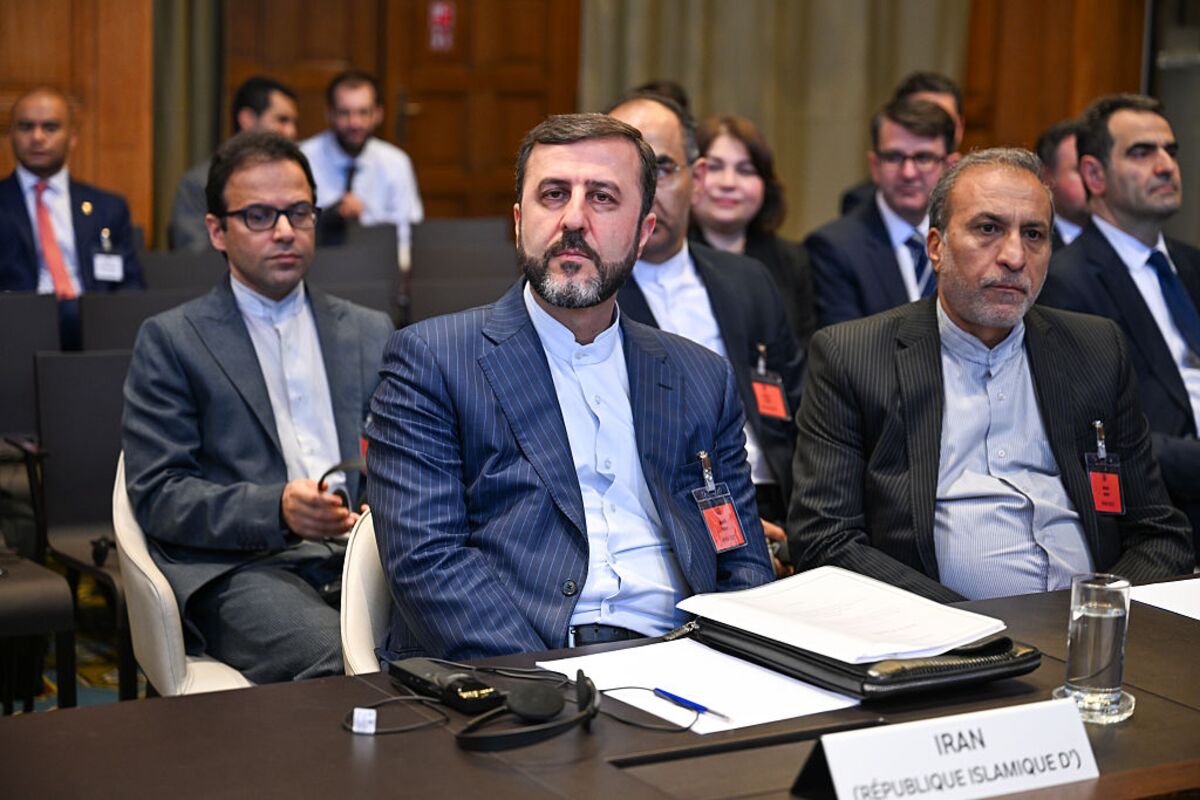
Iran's lead negotiator, Deputy Foreign Minister Kazem Gharibabadi, stated that withdrawal from the Treaty on the Non-Proliferation of Nuclear Weapons (NPT) remains an option if the UN reimposes sanctions, a declaration made ahead of this week's nuclear talks. This potential move introduces significant geopolitical uncertainty and could escalate tensions, impacting regional stability and global energy markets.
Iran has explicitly signaled that its withdrawal from the Treaty on the Non-Proliferation of Nuclear Weapons is a potential response to the reimposition of UN sanctions. This statement from Deputy Foreign Minister Kazem Gharibabadi, delivered just ahead of crucial nuclear talks, significantly elevates geopolitical risk by framing the negotiations with a clear, high-stakes threat. While conditional, this posture introduces substantial uncertainty into an already tense situation, with direct implications for regional stability. The moderately negative sentiment and high market impact score (0.6) underscore the market's sensitivity to such escalatory rhetoric. The primary transmission channel for this risk into financial markets is through energy prices, as heightened conflict potential in the Middle East could disrupt supply chains and add a significant risk premium to crude oil.
AI-powered research, real-time alerts, and portfolio analytics for institutional investors.
Request DemoOverall Sentiment
moderately negative
Sentiment Score
-0.50
