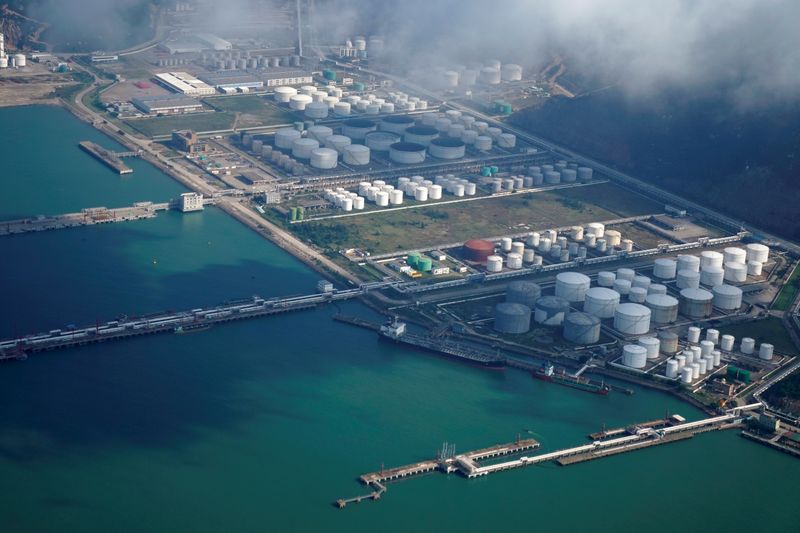
BP's Whiting refinery returned to negotiations with the United Steelworkers after revising its proposal, including dropping the planned reduction of up to 42 maintenance craft jobs. The current offer includes an average 13% pay increase over the first four years of a proposed six-year contract and one-time lump-sum payments of $2,500 to $10,000 upon ratification. The update reduces labor conflict risk and may improve the odds of reaching a settlement, but the immediate market impact should be limited.
This reads as a de-risking event more than a value creation event: BP is effectively buying labor peace at Whiting at the margin, and that matters because refinery reliability is worth far more than the incremental wage bill. The real second-order benefit is a lower probability of an unplanned outage during the next 1-2 quarters, which is when refinery names get repriced hardest on utilization surprises rather than headline margin moves. For BP equity, this should modestly reduce idiosyncratic operational risk, but it is unlikely to move group-level earnings estimates enough to matter unless the agreement is followed by broader labor normalization across the system.
The market likely underweights how much this improves optionality around crack spreads: a stable Whiting throughput profile preserves BP’s ability to capture Midwest product strength without forcing discounted crude/product balancing. For competitors and adjacent refiners, the key issue is not wages, but signaling—if the settlement sets a softer template, peer facilities facing union friction may see faster resolution, reducing the tail risk of synchronized outages. The main loser is any stakeholder counting on labor leverage to force a structural reduction in headcount; that path now looks less likely in the near term.
The contrarian view is that this is probably being read too positively on sentiment while being too small economically to justify chasing BP here. A 13% wage step-up over four years is manageable in a complex like Whiting if uptime holds, but if this is the first step in a broader coast-to-coast wage reset, margin pressure could show up gradually over 6-12 months in refining rather than immediately in upstream. The clean tell will be whether this closes quickly; a drawn-out ratification process would indicate labor remains a live operational overhang rather than a resolved issue.
AI-powered research, real-time alerts, and portfolio analytics for institutional investors.
Request DemoOverall Sentiment
mildly positive
Sentiment Score
0.15
Ticker Sentiment
