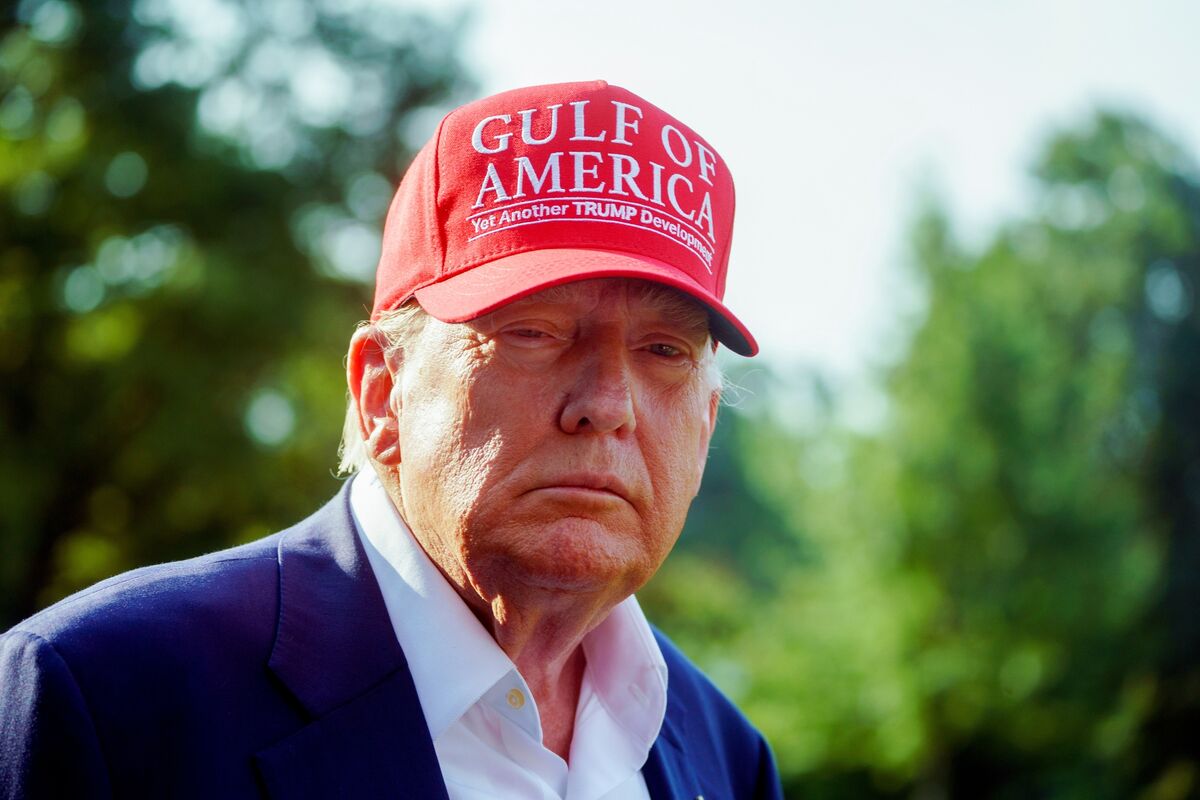
President Trump is adhering to the July 9 deadline for new tariffs, intensifying trade tensions and expressing skepticism about reaching a deal with Japan, particularly regarding the auto sector. This firm stance fuels concerns of a 'worst-case scenario' and casts doubt on the efficacy of ongoing negotiations, posing potential implications for global trade and specific industries.
President Trump's reaffirmation of a July 9 tariff deadline and his explicit skepticism about reaching a trade deal with Japan—stating, "I’m not sure we’re going to make a deal"—significantly elevates geopolitical and economic uncertainty. This firm stance has fueled market fears of a 'worst-case scenario' and raises material doubts about the efficacy of ongoing negotiations, reflecting the provided moderately negative sentiment score. The identification of the auto sector as a primary point of contention pinpoints a specific area of high risk. The situation suggests a hardening of trade policy that could disrupt supply chains and impact industries heavily reliant on US-Japan commerce, moving beyond mere negotiation tactics to a tangible threat of new duties.
AI-powered research, real-time alerts, and portfolio analytics for institutional investors.
Request DemoOverall Sentiment
moderately negative
Sentiment Score
-0.50
