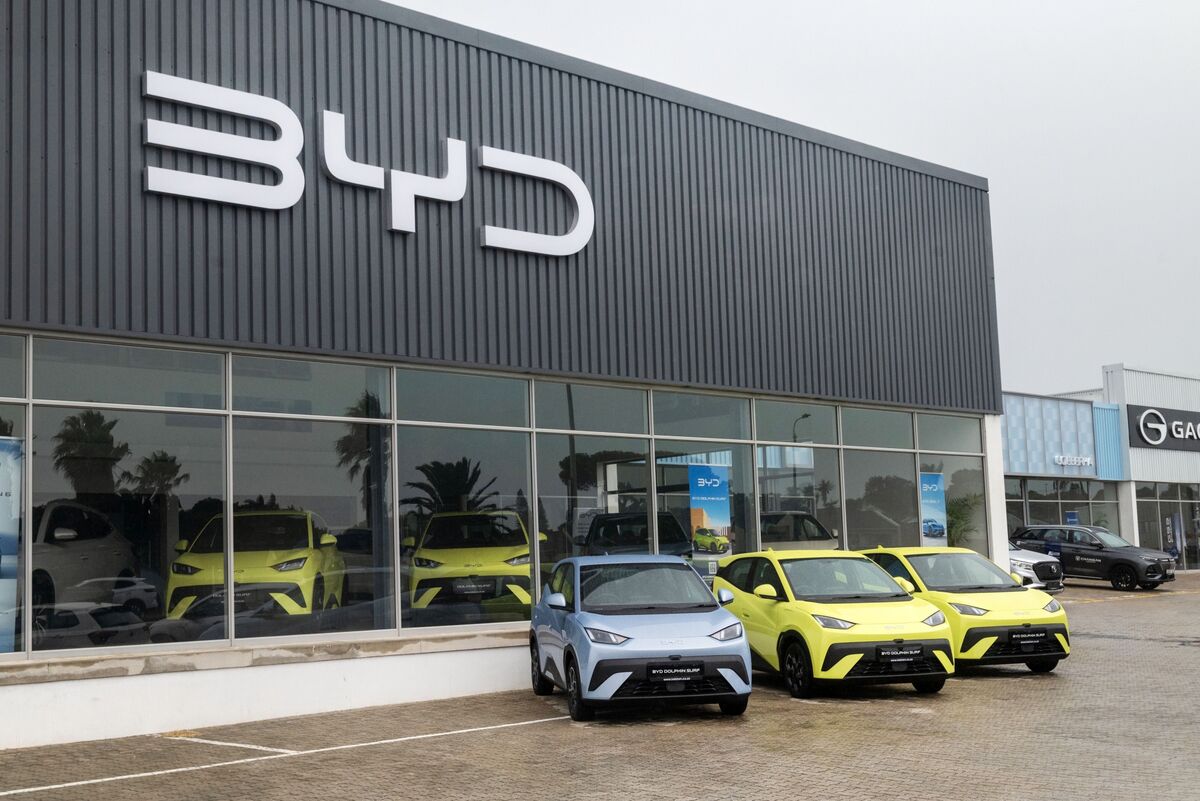
A surge of cheaper Asian vehicle imports is putting significant pressure on South Africa’s century-old car-manufacturing industry, while the influx of lower-priced models has helped contain local consumer inflation. Expect sustained margin compression for domestic automakers, potential production and employment adjustments, and increased scrutiny of trade/tariff policy as stakeholders respond to intensified import competition.
The immediate effect of a sustained wave of cheaper Asian car imports is an earnings squeeze for South African OEMs and tier suppliers: expect localized wholesale price pressure of 5-12% and utilization declines of 10-20% in the most exposed plants over the next 6–12 months, which translates into 150–300bp gross-margin compression for assembly-heavy names. That margin hit will not only force short-term cash conservation (capex deferrals, inventory cutbacks) but also accelerate consolidation among Tier 1/2 suppliers where fixed-cost leverage is highest.
A less-obvious macro second-order is the disinflationary impulse feeding into SARB policy. If imported vehicles shave 0.2–0.4pp off headline vehicle-related inflation components, the market should price 25–50bp lower peak terminal rates over 6–12 months, lowering real yields and making ZAR-sensitive assets more attractive — a dynamic that can offset some equity downside. Conversely, a weaker ZAR would reverse the import advantage quickly; a 5–10% ZAR depreciation would erase most of the price gap within a quarter and restore some domestic volumes.
Politically and structurally, the most likely reaction is targeted protectionism or local-content requirements inside 3–9 months; that’s a binary catalyst: if enacted, it tightens margins and raises CPI by several tenths of a percent, creating headline risk and potential WTO frictions. Corporate responses (plant mothballing, rerouting exports to other African markets, or pivoting to lower-cost platforms such as small EVs) will determine which players survive — winners will be nimble low-capex assemblers and import-distribution chains, losers will be high-fixed-cost legacy plants and finance-levered suppliers.
Watch catalysts and reversals closely: a policy reversal (tariff imposition), a material ZAR move, or supply-chain disruption in Asia are 30–90 day to 12-month reversal mechanisms. Position sizing should assume a 20–30% equity shock to vulnerable names if protectionism is announced, and a 5–10% FX move in the opposite direction if global risk appetite or commodity prices shift.
AI-powered research, real-time alerts, and portfolio analytics for institutional investors.
Request DemoOverall Sentiment
moderately negative
Sentiment Score
-0.45
