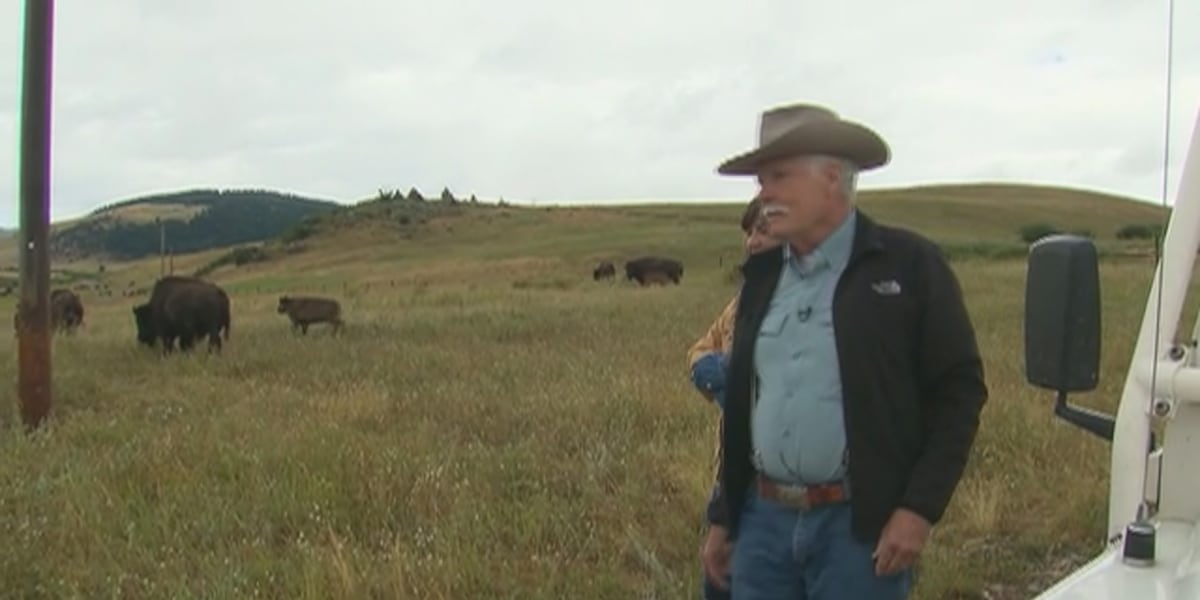
Ted Turner’s death leaves uncertain the future of property tax payments on nearly 500,000 acres of Nebraska Sandhills ranch land, including nearly $120 million of property in Cherry County. If the Turner Institute of Ecoagriculture seeks a tax exemption, the county could lose more than $960,000 a year, pressuring local school and municipal budgets. Day-to-day ranch operations are expected to continue, but the board’s control and the nonprofit’s tax status are now in question.
The market impact is not the ranch asset itself but the implied re-pricing of a local tax base that has been artificially stabilized by personal commitment rather than enforceable economics. If the nonprofit seeks exemption, the biggest beneficiaries are the Turner family and the operating entity; the losers are small rural municipalities that have limited budget flexibility, so any shortfall will be transmitted through deferred capex, higher mill levies, or one-off debt issuance. That makes this less of a binary legal story and more of a multi-year municipal credit deterioration path, especially for counties with concentrated exposure and weak reserve coverage.
The second-order effect is that a tax-exempt outcome would create a precedent risk for other large landholding nonprofits and conservation entities in the region. Once a high-profile landowner demonstrates that commercial livestock revenue can coexist with an exemption claim, local assessors may face pressure to either tighten scrutiny or accept a broader carve-out regime, which could become politically sticky over the next 6-18 months. Any aggressive exemption attempt also raises litigation odds, extending uncertainty and potentially delaying county budget planning into the next fiscal cycle.
The contrarian angle is that this may be overread as a permanent revenue loss. The nonprofit’s board still has incentives to preserve community relations, and the existence of commercial activity gives counties leverage in negotiations even if the legal merits are mixed. The more likely middle path is partial continuity via a negotiated payment-in-lieu arrangement or phased tax treatment, which would blunt the immediate fiscal shock and reduce the probability of a sharp credit event unless the family chooses confrontation.
AI-powered research, real-time alerts, and portfolio analytics for institutional investors.
Request DemoOverall Sentiment
mildly negative
Sentiment Score
-0.15
