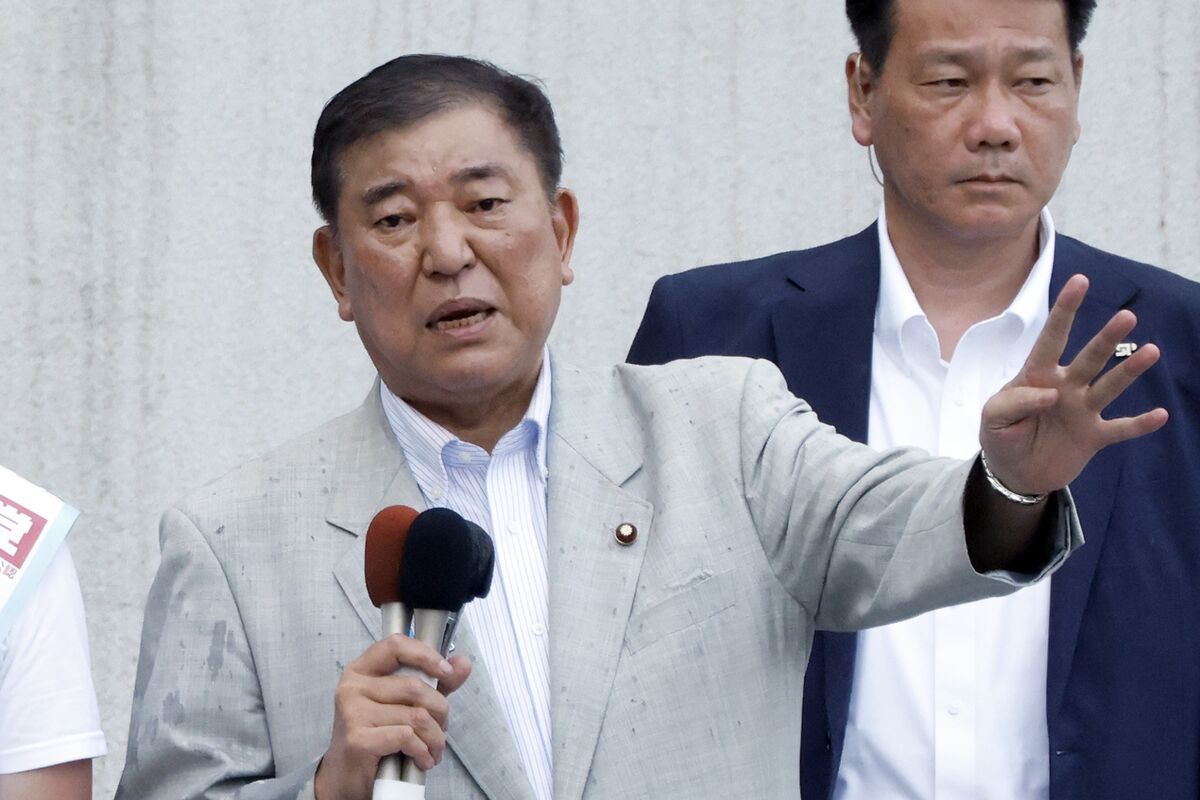
Japanese Prime Minister Shigeru Ishiba faces significant political challenges ahead of Sunday's upper house election, with opinion polls indicating his ruling coalition may struggle to retain a majority. Voter frustration over rising prices and concerns regarding his leadership, including securing a favorable trade deal with the US, could lead to political instability and impact future economic policy.
Impending upper house elections in Japan present a significant political risk, with opinion polls indicating Prime Minister Shigeru Ishiba's ruling coalition is in jeopardy of losing its majority. This uncertain outlook, underscored by a strongly negative sentiment score of -0.6, is fueled by widespread voter frustration over rising consumer prices and skepticism about the administration's capacity to secure a favorable trade deal with the United States. A loss of the coalition's majority would likely precipitate political instability, potentially impeding the government's ability to enact economic policy and creating substantial uncertainty for Japanese markets, a risk reflected in the high market impact score of 0.7.
AI-powered research, real-time alerts, and portfolio analytics for institutional investors.
Request DemoOverall Sentiment
strongly negative
Sentiment Score
-0.60
