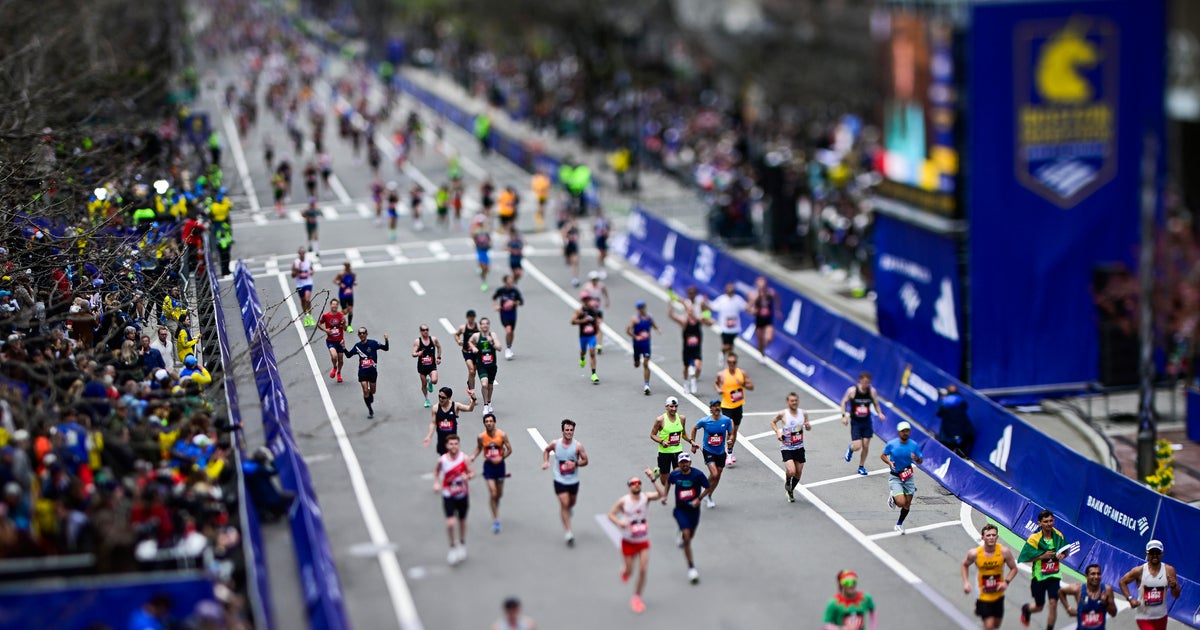
The 2026 Boston Marathon was run by more than 30,000 participants under favorable race conditions around 50 degrees, with six start waves for non-professional runners. Key results included John Korir winning the men's pro race in an unofficial 2:01:52 course-record effort, Sharon Lokedi defending the women's pro title in 2:18:51, and Marcel Hug and Eden Rainbow-Cooper taking the wheelchair titles. The article is largely event coverage with no material market implications.
The direct market read-through is limited, but the event is a clean positive for the experiential economy: premium lodging, ride-hailing, airport traffic, restaurants, and local media monetization all get a one-day demand bump with unusually high willingness to pay. The more interesting second-order effect is that large-city endurance events continue to function as high-conversion content engines for publishers and broadcasters, especially when celebrity participation and record-setting performances create social amplification beyond the live audience.
From a transportation/logistics lens, the real signal is not the race itself but the operational complexity it absorbs: road closures, crowd management, and transit substitution create a localized stress test for urban mobility. That tends to favor operators with pricing power and flexible dispatch while pressuring any business exposed to same-day service-level reliability. The weather profile matters mainly by shifting spending from spectator dwell time toward indoor venues and post-race hospitality, which is a small tailwind for establishments with proximity and capacity.
The contrarian angle is that marquee sporting events often get misread as one-off sentiment boosts when the durable monetization is actually in distribution rights, not attendance. If this year’s stronger conditions and record times widen social reach, the incremental value accrues disproportionately to media owners that can package short-form clips and live updates, while the local economic impact remains fleeting. The upside to that trade is modest but repeatable; the risk is that engagement proves too transient to move estimates.
Catalyst-wise, this is a days-long demand spike, not a months-long fundamental rerating, unless paired with a broader rise in event-driven tourism trends. The main reversal risk is weather deterioration or public-safety disruption, which would quickly compress restaurant, transit, and hospitality capture. Otherwise, the opportunity is mostly in trading the visibility halo around local media and travel-exposed names into the event window.
AI-powered research, real-time alerts, and portfolio analytics for institutional investors.
Request TrialOverall Sentiment
neutral
Sentiment Score
0.08
Ticker Sentiment
