

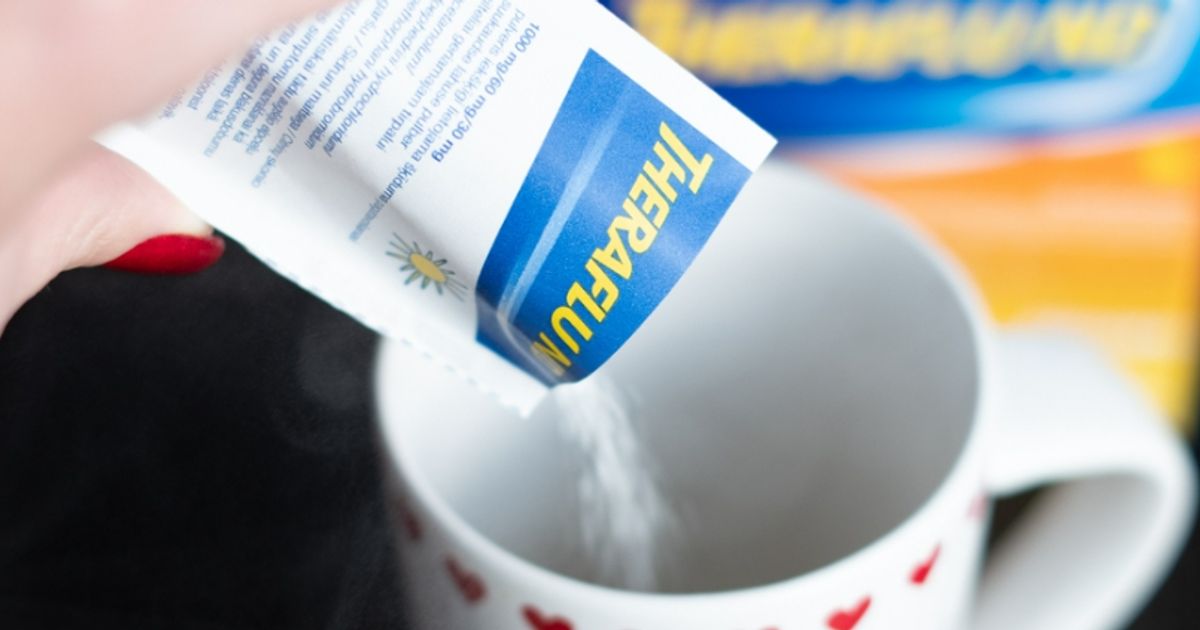
Haleon delivered Q4 organic revenue growth of 2.1% (North America -1.0% like‑for‑like), with Oral Care +9.3% and Respiratory -4.6%; second-half reported EBIT and EPS beat consensus by 2.4% and 3.4% respectively, driven by cost control. Management guided 2026 organic revenue growth of 3–5% and high single‑digit constant‑currency EBIT growth, but Deutsche Bank warned the top‑line guide undermines the group's 4–6% medium‑term target, reiterated a 'sell' with a 335p price target as shares traded around 20x 2026 earnings and moved over 7% intraday.
Market structure: Haleon (HLN) weakness benefits pure-play oral-care niche leaders and large diversified staples (e.g., ULVR, RKT) that can outspend retailers on promotion and absorb pricing; retailers temporarily gain bargaining power after drug-channel destocking. Pricing power looks challenged — guidance 3–5% organic for 2026 vs medium-term 4–6% implies either volume recovery or margin trade-offs; expect margin support from cost savings but not enough to offset prolonged top-line pressure. Cross-asset: weaker consumer staples growth is mild credit-negative for lower-rated non-financials and should modestly steepen UK sterling credit spreads; FX sensitivity is real — a stronger USD/weak GBP scenario would help reported numbers but not organic volume trends.
Risk assessment: Near-term tail risks include prolonged trade-channel destocking or a retailer price war that drives another -3% to -5% organic hit; regulatory/recall risk is low-probability but would be high-impact given brand concentration. Time horizons: days — negative sentiment and elevated IV; weeks/months — H1 trading update and consumer spending data are decisive; quarters/years — credibility gap on 4–6% medium-term target could force strategic choices (pricing vs. NPD vs. M&A). Hidden dependencies: results are CPU'd to cost control and FX; if cost saves exhaust, EPS hinge on top-line recovery. Key catalysts: H1 trading update (next 6–12 weeks), Nielsen/IRI volume reads, competitor pricing moves.
Trade implications: Direct trade: asymmetric short exposure to HLN equity or buy puts to capture 10–15% downside priced in by analysts (DB 335p PT ~11% downside); pair trade: short HLN / long UNVR or RKT to isolate category risk (3–12 month horizon). Options: implement a 6-month HLN put spread (buy 360p, sell 300p) sized to 2–3% NAV to limit premium and capture channel destocking risk; consider selling covered calls only after accumulation below 320p. Sector rotation: reduce cyclic consumer discretionary exposure, rotate into higher-growth healthcare/OTC innovators and defensive staples for 3–12 months.
Contrarian angle: Consensus assumes top-line rebound; missing that, valuation at ~20x 2026 EPS already prices weakness — reaction may be underdone if H1 misses but overdone if destocking normalizes. Historical parallels (Colgate/P&G destocking cycles) show quick volume rebounds once channel rebuilds, so a disciplined dip-buy below 320p with conviction around 12–24 month cash-flow recovery could outperform. Unintended consequence: aggressive cost cuts to hit EPS may hollow out innovation pipeline, ceding share to faster-moving competitors — a structural risk to the long case.
AI-powered research, real-time alerts, and portfolio analytics for institutional investors.
Request TrialOverall Sentiment
moderately negative
Sentiment Score
-0.52
Ticker Sentiment
