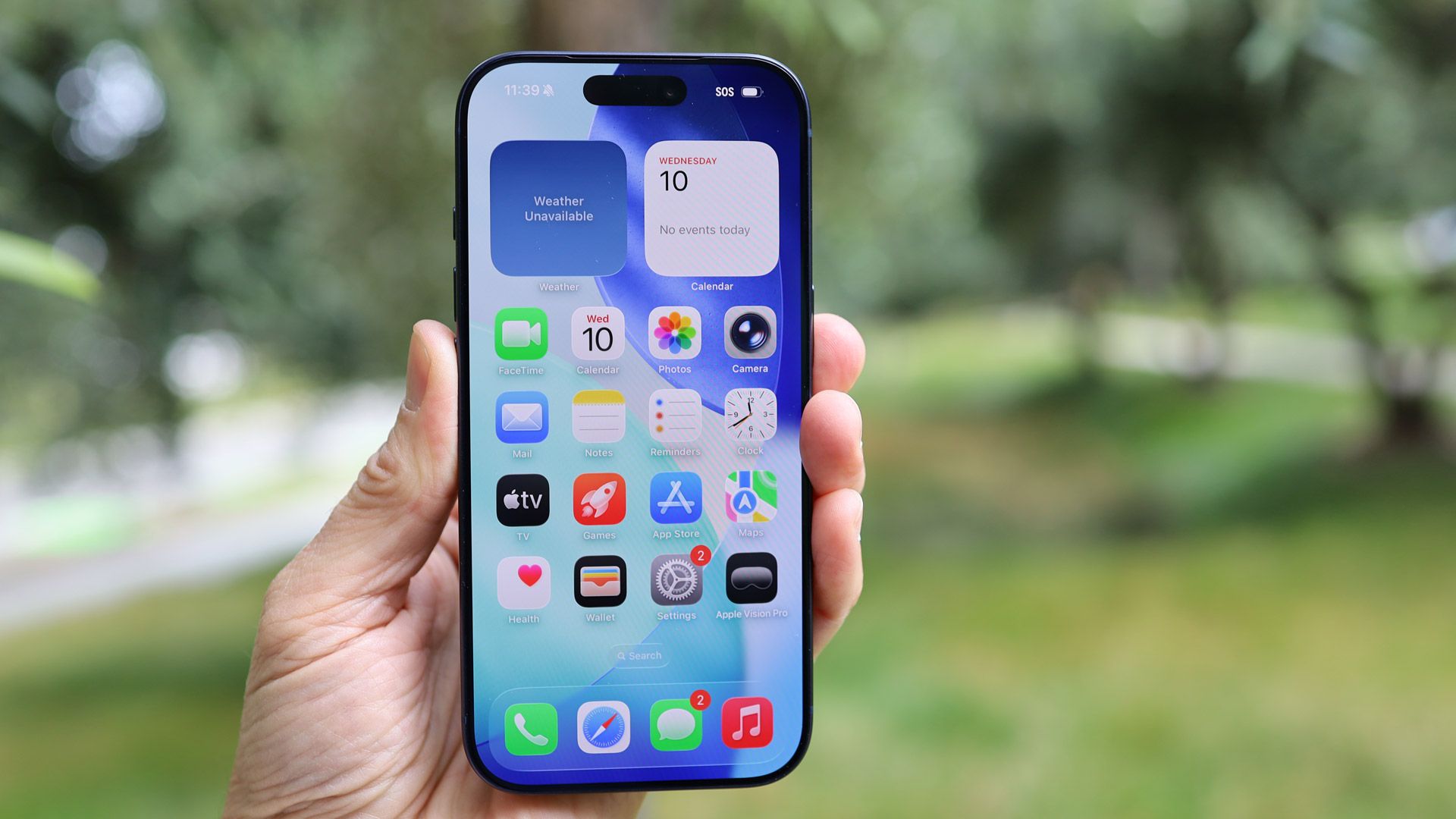
Apple is reportedly planning three iOS 27 upgrades: a big boost to AI image generation, a revamp of AirPods controls and settings, and support for setting non-AirPlay streaming protocols as the default in the EU. The changes are still rumors ahead of WWDC on June 8, but they point to a more AI-centered iPhone experience and some regulatory-driven platform openness. Impact is likely modest unless Apple confirms major feature detail at the event.
This is less about a single feature set and more about Apple reasserting control over the user interface layer while staying behind the frontier on model quality. The strategic read-through is that Apple is trying to convert AI from a perceived weakness into a distribution advantage by embedding it into system settings, creation tools, and voice workflows—areas where default placement matters more than benchmark leadership. That is incremental for AAPL, but the market should not confuse product polish with monetization; the nearer-term impact is likely retention and engagement, not a step-change in revenue.
The biggest second-order effect is on competitive positioning versus GOOGL and the broader AI assistant ecosystem. If Apple makes its AI feel “good enough” inside core workflows, it raises the switching cost for users who might otherwise sample Gemini or other standalone tools, but it also validates Google’s model as a behind-the-scenes supplier rather than a consumer-facing winner. In that setup, GOOGL captures model usage and inference volume without the branding benefit, while Apple captures the interface margin; that is a structurally favorable arrangement for Apple if it can keep dependency terms stable.
The EU streaming-protocol change is more interesting as a precedent than as a direct P&L item. Allowing non-AirPlay defaults hints at a broader forced opening of platform defaults across Europe, which could slowly erode Apple’s ability to steer traffic toward proprietary services and accessories. The near-term risk is that this becomes a template for additional regulatory concessions, particularly around assistants and messaging, which would matter more than the protocol change itself over a 6-18 month horizon.
Consensus looks slightly underreactive on timing: these upgrades are likely enough to support a positive WWDC sentiment trade, but not enough to justify a durable multiple rerating absent evidence that Apple Intelligence materially improves daily usage. The bigger contrarian risk is that investors overestimate how much AI feature breadth changes behavior if underlying models remain second-tier. If the product demo is strong but the follow-through is weak, the stock may gap on event day and fade over the next few weeks.
AI-powered research, real-time alerts, and portfolio analytics for institutional investors.
Request DemoOverall Sentiment
neutral
Sentiment Score
0.15
Ticker Sentiment
