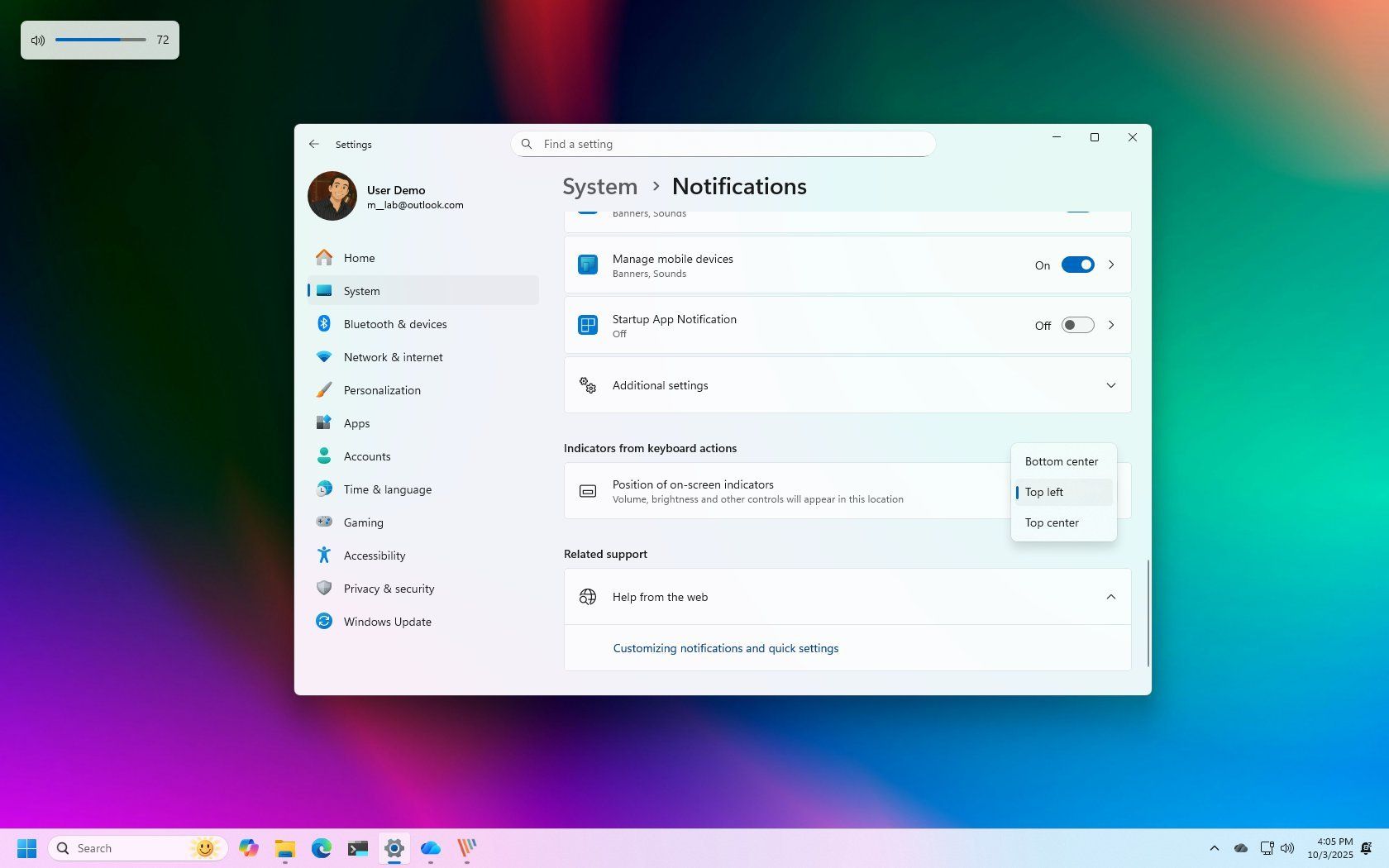
Microsoft is preparing a significant Windows 11 update (versions 25H2 and 24H2) for October 2025, introducing key enhancements aimed at improving user experience, security, and AI integration. New features include AI actions in File Explorer, advanced Administrator Protection, third-party passkey support, and the migration of legacy settings. Crucially, certain advanced AI functionalities, such as Windows Recall, will be exclusive to Copilot+ PCs equipped with specific NPU hardware, underscoring Microsoft's strategic push to leverage AI in its ecosystem and potentially drive adoption of new hardware and associated services like Microsoft 365 subscriptions.
Microsoft's upcoming Windows 11 October 2025 update (versions 25H2 and 24H2) signifies a strategic focus on deeper AI integration, enhanced security, and user experience improvements. Key features include AI actions within File Explorer, leveraging existing AI models, and advanced Copilot integration for Microsoft 365 subscribers to summarize files, underscoring Microsoft's commitment to embedding AI into its core operating system.
A critical aspect of this update is the exclusivity of advanced AI functionalities, such as Windows Recall, to Copilot+ PCs equipped with specific NPU hardware from Qualcomm, Intel, and AMD. This hardware dependency creates a clear incentive for hardware upgrades, potentially benefiting these chip manufacturers while driving adoption of Microsoft's broader AI ecosystem and associated premium services.
Beyond AI, the update introduces significant security enhancements, including Administrator Protection, a more robust privilege elevation mechanism than UAC, and expanded third-party passkey support, exemplified by the 1Password integration. These features aim to bolster data privacy and system integrity, addressing evolving cybersecurity concerns.
While the general market impact is assessed as low (0.1), the positive sentiment surrounding Microsoft (0.8) reflects investor confidence in these product developments. The phased rollout and hardware-specific nature of certain features suggest a deliberate strategy to evolve the Windows platform, reinforcing its competitive stance in the AI-driven computing landscape.
AI-powered research, real-time alerts, and portfolio analytics for institutional investors.
Request DemoOverall Sentiment
mildly positive
Sentiment Score
0.20
Ticker Sentiment
