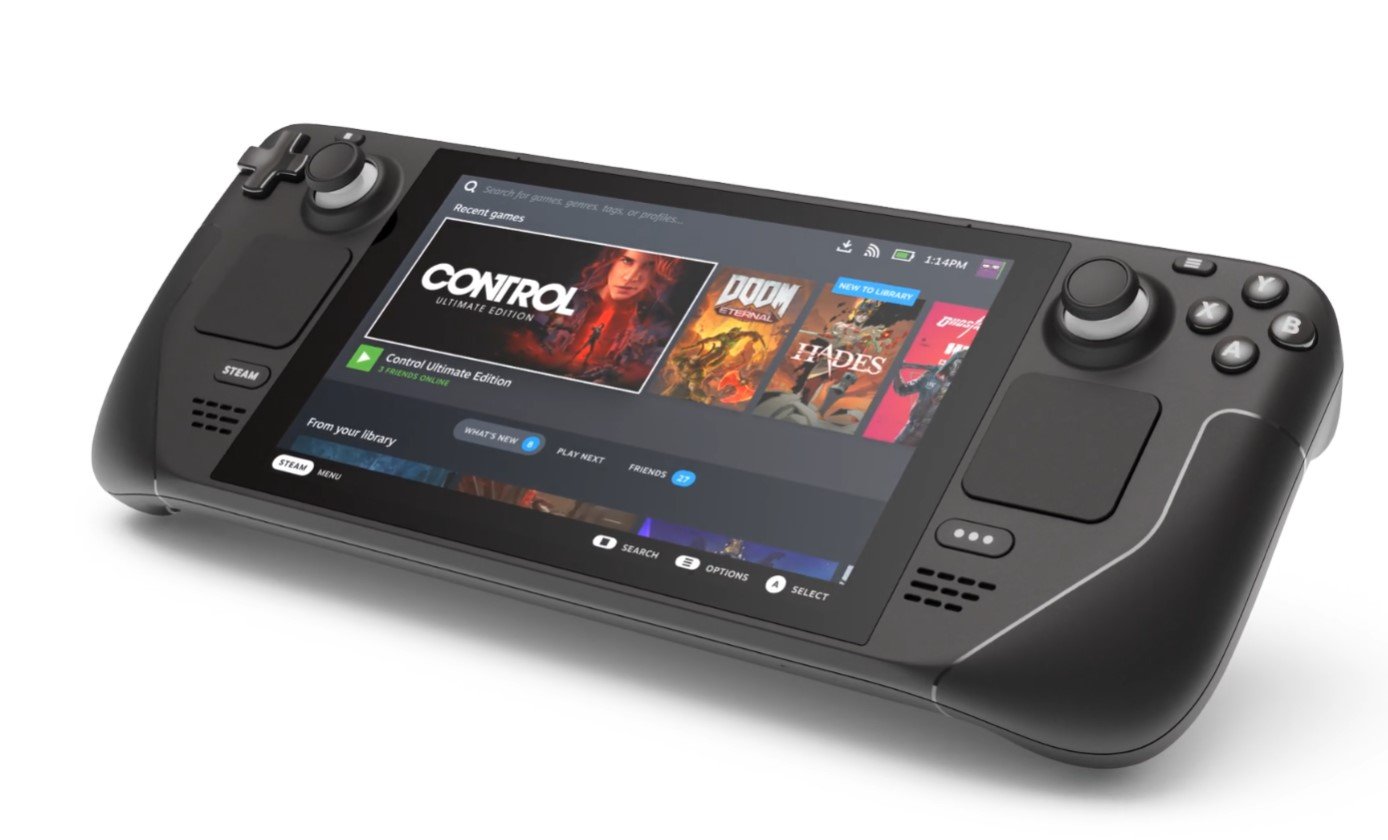
Valve says Steam Deck 2 is still in development, but no launch timing or hardware specs were disclosed. The company also said ongoing RAM and storage shortages are limiting Steam Deck availability in the US and affecting the Steam Machine, with supply constraints expected to persist. The update is mainly a product and supply-chain status check, with limited near-term market impact.
The immediate read-through is not about a new product launch; it is about how prolonged scarcity can keep an aging platform economically relevant longer than expected. That tends to support the broader PC gaming ecosystem: accessories, game publishers with high Steam exposure, and any supplier positioned to benefit from a longer replacement cycle. The bigger second-order effect is that constrained supply on the incumbent pushes demand to remain concentrated on the same software ecosystem, which can actually strengthen platform lock-in even before next-gen hardware arrives.
The supply chain signal is more interesting than the product signal. If Valve is still prioritizing multi-sourcing, then the real bottleneck is likely not design intent but component availability and allocation discipline, which means the risk window is measured in quarters rather than weeks. That creates asymmetric upside for component vendors with diversified capacity and down-stream downside for smaller hardware OEMs that lack procurement leverage; in shortages, the weakest balance sheets often pay the highest spot pricing or lose line access entirely.
For competitors, the issue is not a direct one-to-one share grab so much as a timing advantage. Any rival handheld gaming device that can guarantee in-stock availability during Steam Deck gaps can capture frustrated intent demand, but only if software compatibility friction is low enough to overcome brand inertia. The real concern for Valve is that extended shortages can convert some would-be buyers into permanent substitutes, especially among value-sensitive consumers who only compare on cost-per-hour of entertainment.
The contrarian view is that the market may be overestimating the impact of a future successor and underestimating how long scarcity can suppress the ‘new hardware’ revenue step-up. A delayed next-gen release is not necessarily bearish if it preserves demand, but it can also allow competitors to improve and reduce the performance leap needed to win an upgrade cycle. The key catalyst is not the announcement itself; it is either a genuine supply normalization in the next 1-2 quarters or a credible silicon roadmap that resets upgrade expectations over a 12-24 month horizon.
AI-powered research, real-time alerts, and portfolio analytics for institutional investors.
Request DemoOverall Sentiment
neutral
Sentiment Score
0.05
