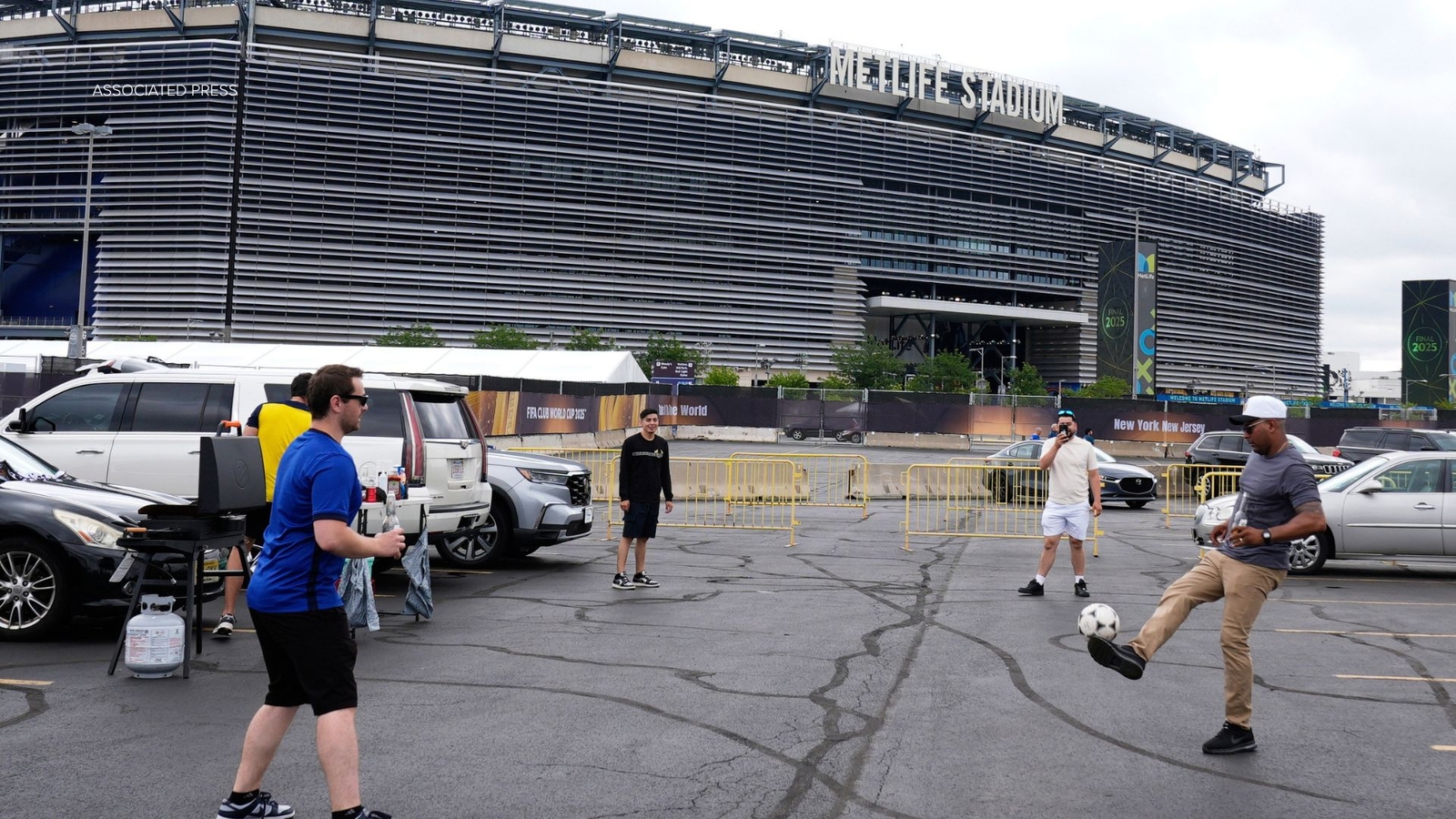
New Jersey Transit will cut the World Cup round-trip fare from $105 to $98 ahead of Wednesday ticket sales, after an earlier reduction from $150. Governor Mikie Sherrill said the lower price was achieved without New Jersey taxpayer money, citing private partners including DoorDash, Audible, FanDuel, DraftKings, PSE&G, South Jersey Industries and American Water. The change is material for attendees but is unlikely to have broader market impact.
The interesting signal is not the fare cut itself, but the financing stack behind it. Publicly leaning on consumer-facing corporates and gambling sponsors to subsidize transport creates a template for quasi-private event infrastructure funding, which could become more common as local governments try to host mega-events without absorbing political backlash. That is modestly positive for firms seeking civic goodwill, but it also means sponsor exposure is increasingly tied to reputational rather than purely commercial ROI.
For DASH and DKNG, the second-order effect is brand adjacency at a moment when sports-betting and delivery are already fighting for share of wallet around major live events. This is not a revenue needle-mover, but it can improve top-of-funnel economics if the activation is scaled into in-app promotions, ticketing bundles, or location-based acquisition during the tournament window. The key risk is that these “sponsorship-as-infrastructure” deals normalize high-cost promotional spend with little durable customer retention, compressing marketing efficiency over the next 1-2 quarters.
The contrarian angle: the lower fare may actually increase demand elasticity more than expected, which benefits transit utilization but caps the narrative value of the sponsor subsidy. If the event becomes politically sensitive over affordability, the private backers could still face criticism for enabling price discrimination versus ordinary transit users, especially if the optics of subsidized travel to a premium sporting event dominate local discourse. That makes this more of a sentiment/trading catalyst than a fundamentals story, with the market likely to fade it unless management teams explicitly tie the spend to measurable user acquisition or retention.
AI-powered research, real-time alerts, and portfolio analytics for institutional investors.
Request DemoOverall Sentiment
neutral
Sentiment Score
0.05
Ticker Sentiment
