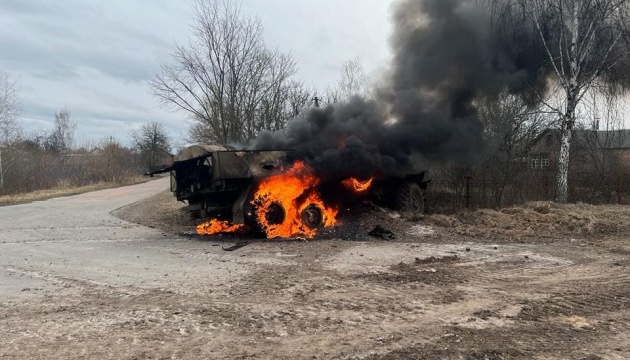
Ukrainian drone and intermediate-range strikes are impairing Russian ground logistics, including the M-14 highway and supply routes linking Russia, occupied Crimea, and southern Ukraine. ISW says these attacks are reducing Russia’s ability to move personnel and supplies to the front, potentially blunting the impact of any new involuntary reserve call-up. The report also suggests weaker battlefield gains, rising casualties, and public dissatisfaction are making further mobilization less popular in Russia.
The key market takeaway is that manpower is becoming less decisive than transport capacity. If mid-range strike pressure continues to degrade rail-to-road handoff into Crimea and the southern occupied corridor, Russia can nominally add bodies while still failing to convert them into usable frontline force density. That is a second-order negative for any sector or asset tied to a quick Russian operational breakthrough, because the constraint shifts from recruitment optics to logistics throughput and attrition economics.
This should also widen the gap between tactical battlefield resilience and strategic endurance. A reserve call-up may improve headline troop counts, but it likely raises domestic friction faster than it improves combat effectiveness if mobilized personnel cannot be staged, supplied, and rotated efficiently. The more important implication is that the Kremlin may be forced into a more expensive force-generation model just as war fatigue and casualty sensitivity worsen, which increases the probability of later fiscal leakage, shadow compensation costs, and social pressure.
For Europe-linked risk assets, the immediate spillover is not a clean growth shock but a higher tail risk of intermittent infrastructure damage and transportation disruption in the Black Sea–adjacent corridor. That argues for watching freight, insurance, and industrial inputs rather than broad beta. The contrarian read is that markets may overestimate the upside of a reserve call-up; if drone warfare continues to neutralize mass, the marginal mobilized soldier is worth less than consensus assumes, making escalation potentially more political than operational.
AI-powered research, real-time alerts, and portfolio analytics for institutional investors.
Overall Sentiment
mildly negative
Sentiment Score
-0.15
