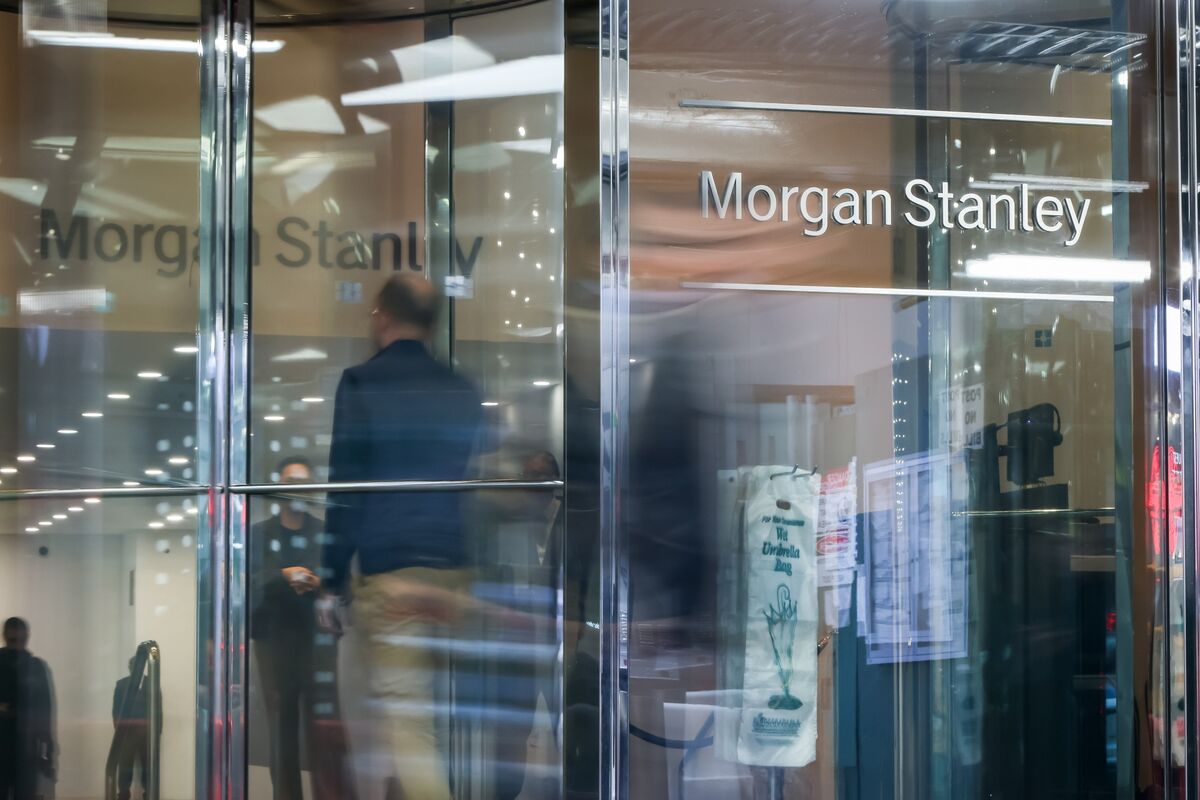
Morgan Stanley Direct Lending Fund is issuing $350 million of five-year investment-grade notes to refinance debt, marking its first offering in just over a year. Initial price talk is about 245 bps over Treasuries, indicating a meaningful but routine private credit funding transaction. The news is generally neutral and should have limited market-wide impact.
This is less about one fund refinancing and more about the reopening of a funding conduit for the private credit complex. If this pricing clears, it becomes a template for other BDC/private credit vehicles to term out liabilities in public IG-style format, shifting refinancing risk from mark-to-market NAV pressure into rate-duration management. The immediate beneficiary is MSDL, but the second-order effect is broader: public-market access could compress the liquidity discount on listed private-credit wrappers and modestly reduce funding costs for peers with similar portfolios.
The key nuance is that the spread level will be read as a proxy for the market’s view on private credit asset quality, not just issuer funding strength. If investors demand a wider-than-expected concession, that signals rising skepticism around valuation marks, non-accrual migration, and the durability of floating-rate income once policy rates eventually roll over. That matters over a 6-18 month horizon because the business model is most attractive when asset yields stay high while liabilities are locked; if the curve falls faster than expected, the spread on these notes may look cheap ex ante but still fail to offset shrinking asset income.
For MS, the impact is more symbolic than direct, but it reinforces the franchise value of distribution and structuring across alternatives. The broader competitive read-through is negative for smaller private lenders that rely on bank revolvers or warehouse lines; public debt markets reward scale, transparency, and perceived balance-sheet discipline, which can widen the cost-of-capital gap over time.
Consensus may be underestimating how quickly this could become a window rather than a one-off. If the deal is well received, expect a short-term tightening in listed private credit spreads; if it prints with a punitive concession, the market may start discounting refinancing needs across the sector, creating a tactical buying opportunity only after the first concession is absorbed.
AI-powered research, real-time alerts, and portfolio analytics for institutional investors.
Request DemoOverall Sentiment
neutral
Sentiment Score
0.12
Ticker Sentiment
