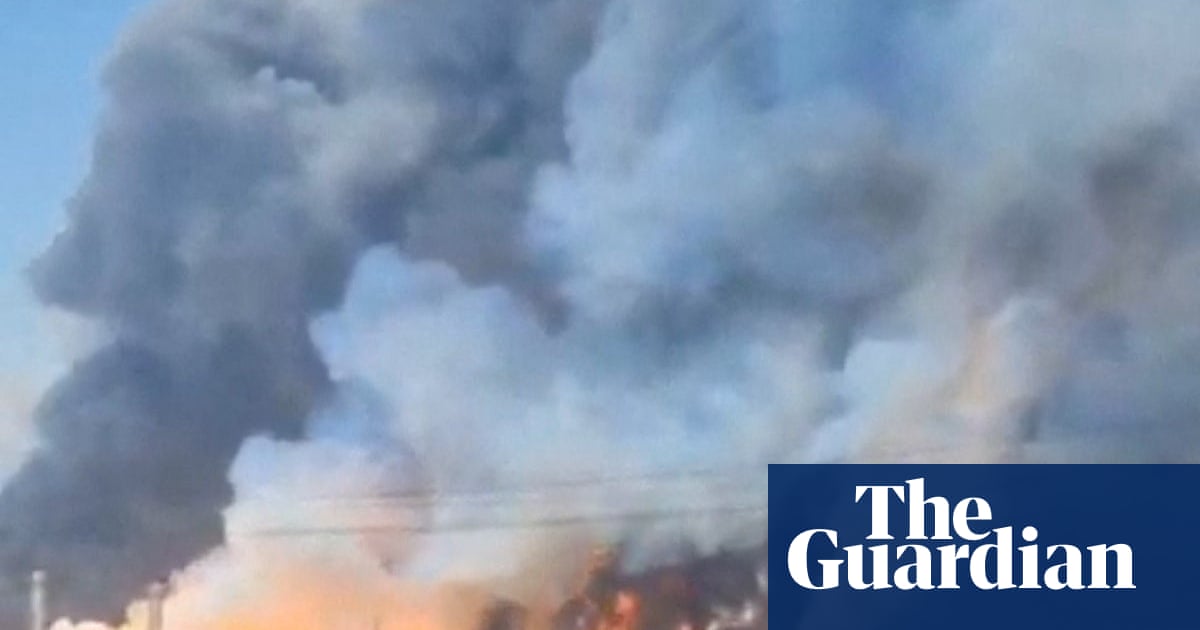
An Iranian missile strike hit Qatar's Ras Laffan LNG complex (Qatar supplies ~20% of global seaborne LNG), with QatarEnergy estimating 3–5 years to repair, raising the prospect of a prolonged global gas supply crisis. European gas benchmarks surged ~30% intraday and analysts (Rystad) expect Brent to breach $120/bbl, signaling material upside to energy prices. Multiple regional energy targets in Saudi, UAE and Kuwait have been threatened or struck, elevating the risk of sustained export disruptions and a broad risk-off shock to markets.
The market is transitioning from a transitory supply shock to an enduring structural reallocation of liquefaction and shipping capacity. Expect voyage times and idle days for LNG carriers to rise materially as cargoes are rerouted to longer lanes and buyers compete for spare annual cargo-turns; a plausible working estimate is a 10–20% reduction in cargo-turns per vessel over the next 3–6 months, which amplifies short-term tightness independent of upstream production.
Second-order demand effects will propagate through industrial feedstocks and power markets: petrochemical margins (ethylene/propylene) will deteriorate where gas-based crackers lose feedstock cost advantage, creating winners in naphtha-based producers and petrochemical exporters outside the tight basin. Agricultural input costs (urea/ammonia) are at risk from higher natural gas-linked feedstock prices with a 1–3 quarter lag, pressuring FX reserves and sovereign spreads in net-importing emerging markets and increasing tail risk for credit in that cohort.
Key catalysts and timelines: immediate (days–weeks) for headline price spikes and shipping FFA/charter volatility; tactical (1–6 months) for cargo reallocation and spot LNG price convergence; strategic (12–36 months) for capex-driven changes in global liquefaction capacity and insurance/flagging regimes. Reversal scenarios that would meaningfully reduce prices include rapid diplomatic de-escalation, emergency redeployment of surplus US LNG and tactical charter reassignments, or a material demand pullback into northern summer, each with different probabilities and lead times.
AI-powered research, real-time alerts, and portfolio analytics for institutional investors.
Request DemoOverall Sentiment
strongly negative
Sentiment Score
-0.80
