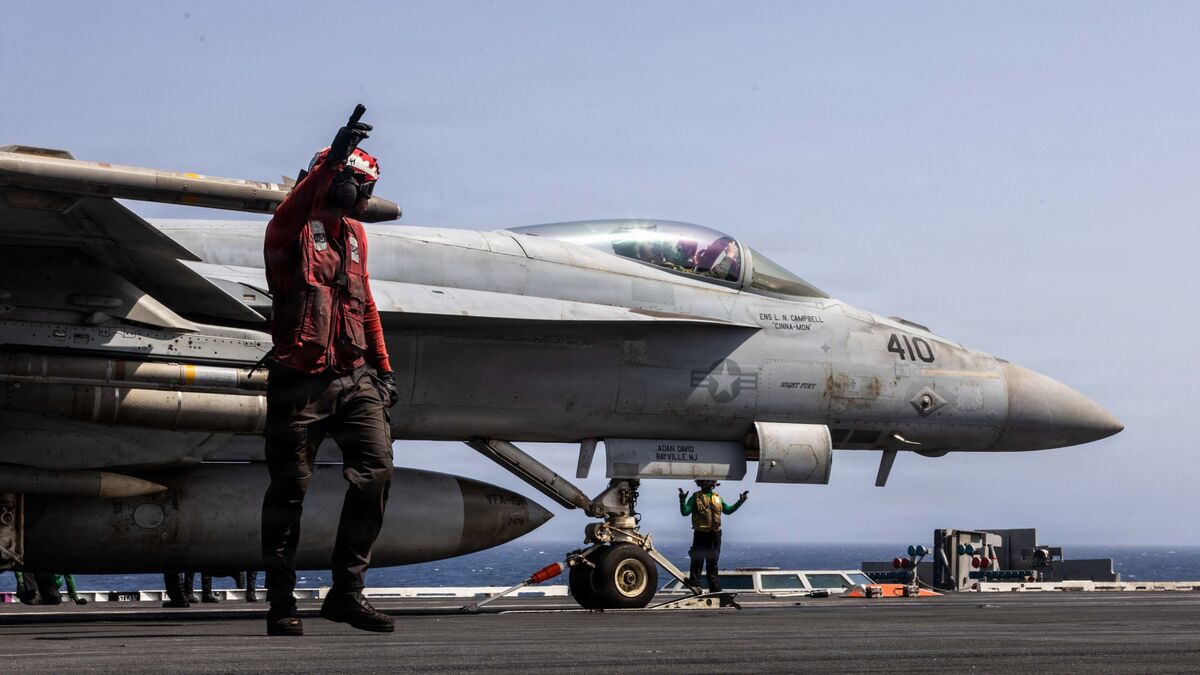
The US military launched additional self-defense strikes against multiple targets in Iran for a second straight day, with operations beginning at 5:15 p.m. New York time Wednesday. The escalation further strains the truce after President Trump accused Iran of dragging out interim peace talks. The development is geopolitically significant and could drive broad risk-off moves across energy, defense, and global markets.
The immediate market read is not just a classic oil-risk bid; it is a regime shift toward a higher geopolitical volatility premium across transports, industrials, and anything with Middle East supply-chain exposure. Even without direct ticker exposure, the first-order beneficiaries are defense primes, cyber/surveillance vendors, LNG infrastructure, and select energy names; the losers are airlines, chemicals, small-cap industrials, and highly levered cyclicals that cannot pass through input shocks quickly.
The second-order effect is duration: repeated strikes increase the probability that the conflict path moves from headline risk to asset disruption, especially if shipping insurance, rerouting, or port delays begin to widen. That tends to hit margins before it hits top-line volumes, so the most vulnerable names are those with thin EBITDA cushions and high working-capital dependence. If energy flows are only modestly impaired, markets may initially fade the move, but if this persists for more than a few sessions the repricing usually migrates from crude to freight, then to consumer discretionary and small-cap credit.
The contrarian point is that the market may still be underestimating the policy off-ramp risk: the more forceful the military posture, the higher the odds of a rapid de-escalation channel opening through intermediaries within days to weeks. That argues against chasing broad index hedges at inflated implied vol if spot risk assets have already repriced; the cleaner expression is in relative-value shorts on the most geopolitically exposed sectors versus defense/energy beneficiaries. Over a 1-3 month horizon, the key question is not whether the truce is strained, but whether logistics and insurance markets start pricing a sustained disruption premium.
AI-powered research, real-time alerts, and portfolio analytics for institutional investors.
Request DemoOverall Sentiment
strongly negative
Sentiment Score
-0.72
