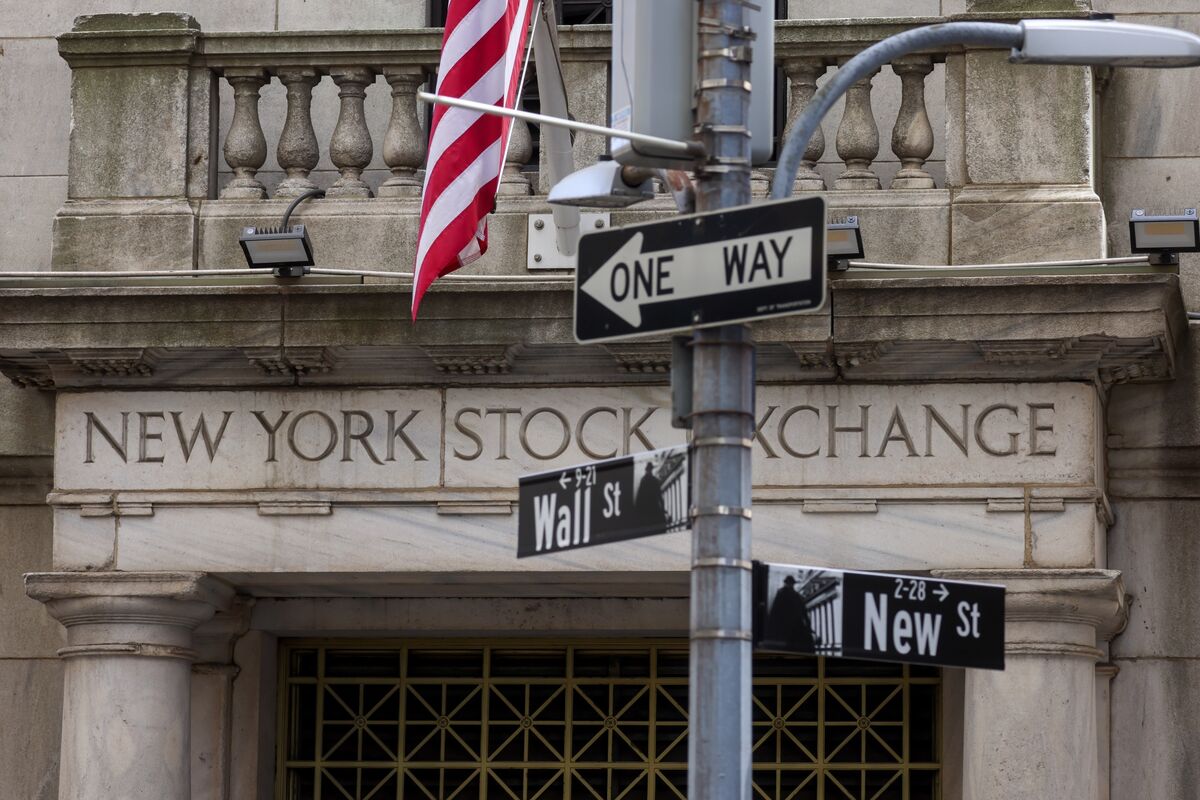
Wall Street is dumping crash protection even as inflation prints at a roughly three-year high, tensions rise in the Persian Gulf, and the Fed is still expected to keep policy tight. Despite those risks, stocks hit fresh records and extended their longest weekly winning streak since 2023, while junk bonds rallied, Brent crude headed for its worst month since 2020, and hedging costs fell sharply. The piece highlights a strong risk-on move in positioning and cross-asset pricing rather than a single event-driven catalyst.
The market is pricing a benign regime shift: inflation and geopolitics are being treated as noise, while leverage is being re-extended into the highest-beta corners of the tape. The most important second-order effect is not the rally in equities itself, but the collapse in hedging demand — when downside insurance cheapens this quickly, systematic vol sellers and risk-parity allocators typically add exposure, which can mechanically push the market higher for another few weeks even if fundamentals do not improve.
The cleanest loser set is not the broad index; it is the cluster of names that depended on a crowded short base, fragile financing, or discretionary multiple support. Most-shorted, unprofitable, and balance-sheet-sensitive stocks tend to outperform violently in this phase, but that move is usually transient because it is driven by short covering rather than durable earnings upgrades. The real vulnerability is that the same investors abandoning crash protection are the ones most likely to scramble back into hedges on any 2-3 day drawdown, creating an air-pocket risk window once momentum stalls.
Credit is sending the strongest warning signal by not warning at all: high yield rallying while rates stay sticky usually reflects a search for carry, not an improved default outlook. That can persist for weeks, but if inflation remains sticky, the most likely reversal is not an equity bear market first — it is a front-end rates reprice that tightens financial conditions and eventually bleeds into lower-quality credit and high-duration equities. Geopolitical tension adds a secondary convexity risk: energy can underperform for now, but any supply disruption would force an abrupt unwind of the current disinflation trade.
Consensus appears to be underestimating how asymmetric this setup is. The market has effectively sold volatility twice: once in equities and again in energy, which makes the tape fragile if either inflation or Middle East risk surprises higher. The near-term path of least resistance remains higher for risk assets, but the crowdedness of the complacency trade means the next meaningful selloff could be sharper than positioning suggests.
AI-powered research, real-time alerts, and portfolio analytics for institutional investors.
Request DemoOverall Sentiment
neutral
Sentiment Score
0.15
