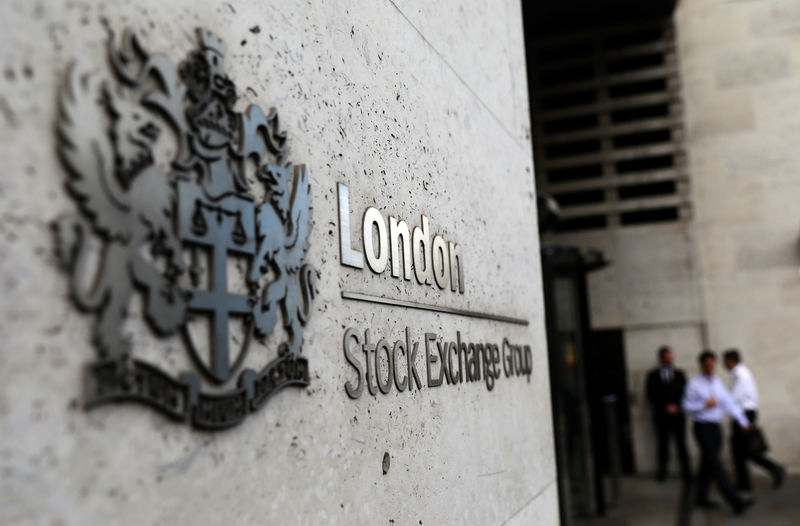
The Investing.com UK 100 fell 2.31% to a new 1-month low as Mining, Household Goods & Home Construction and Industrial Engineering led losses. BP rose 4.93% to 583.20 (a 5-year high) while Barratt Redrow and Vistry slid 8.45% and 7.83% to 263.40 and 352.00 respectively (both 5-year lows). Commodities were mixed: Gold futures plunged 6.51% to $4,577.46/oz, WTI/May crude rose 1.52% to $96.91/bbl and May Brent was up 2.06% at $109.59/bbl (Brent earlier hit ~$119). FX showed GBP/USD +0.88% to 1.34 and the US Dollar Index futures down 0.49% at 99.38.
The oil-driven squeeze is re-ordering sectoral P&L in ways the market is only beginning to price: integrated producers win immediate margin expansion but the fastest cash conversion will come from late-cycle US onshore producers and midstream storage/transport players that can monetize contango and trucking differentials within weeks. Second-order winners include refiners with light-distillate exposure and bunker fuel suppliers who see outsized margin expansion versus those tied to wholesale gasoline, while airlines, large fleet operators and long-cycle industrials face margin pressure that will show up in guidance over the next 1–3 quarters.
On the UK domestic front, the confluence of energy-driven input inflation and tighter mortgage conditions is causing disproportionate weakness in homebuilders and regional lenders; earnings downgrades will likely propagate through supplier chains (cement, roofers, installers) over the next 2–6 quarters, creating multi-quarter cashflow mismatches. Currency moves (sterling strength) blunt some imported-energy pain for consumers but raise the bar for exporters and complicate FX-hedge programs for multinational miners and refiners, creating asymmetric P/L exposure if FX reverses.
Key tail risks: a durable demand-shock (global GDP softness or coordinated policy tightening) can compress oil well below current levels within 3–9 months, and a decisive strategic release from strategic petroleum reserves or a sudden normalization in OPEC rhetoric can unwind the rally in weeks. Conversely, sustained underinvestment in non-OPEC supply and logistical outages create a higher-probability path to structurally higher prices over the next 12–24 months, favoring capex-light cash generators.
The market consensus is treating the move as purely cyclical; that overlooks timing mismatches (builders' contracts fixed months in advance, energy producers receive spot-linked realizations) and the asymmetric hedging needs this creates. Positioning should therefore be tactical and size-controlled: exploit the divergence between cash-flow velocity (energy) and booked forward liabilities (construction, mortgages) rather than making large single-name directional bets into elevated headline volatility.
AI-powered research, real-time alerts, and portfolio analytics for institutional investors.
Request DemoOverall Sentiment
mildly negative
Sentiment Score
-0.30
