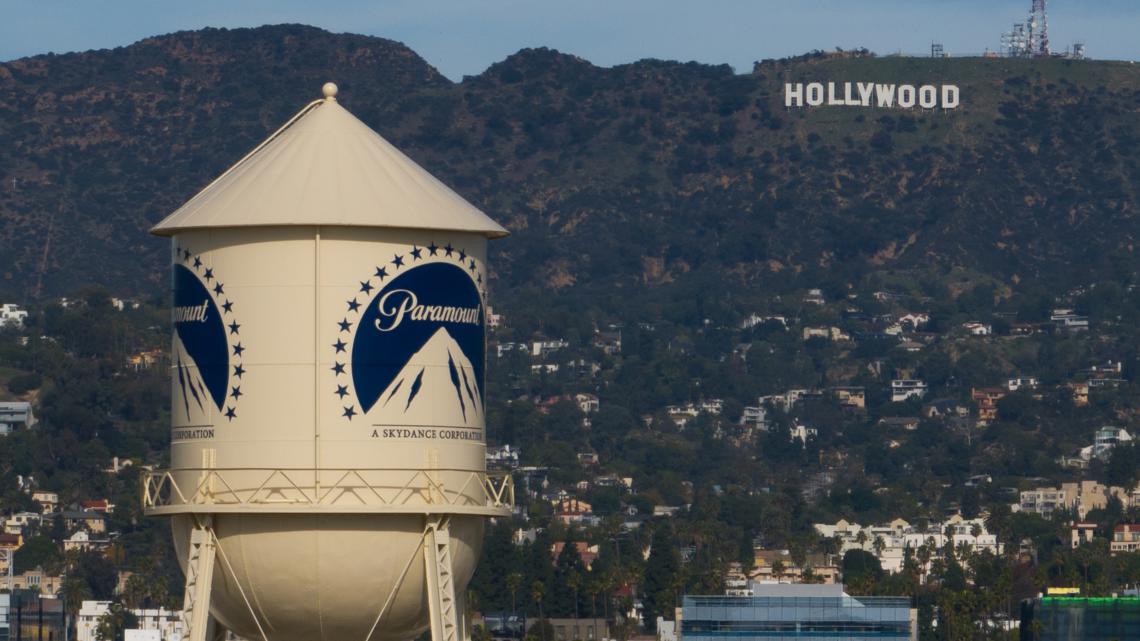
Warner Bros. Discovery shareholders approved Paramount’s $31-a-share acquisition, a transaction valued at nearly $111 billion including debt and poised to reshape Hollywood. The deal still requires regulatory clearance, including DOJ review, and faces political and labor opposition, but Warner expects to close in the third fiscal quarter. The merger would combine HBO Max with Paramount+, and unite CBS and CNN under one roof if completed.
The market is likely still underestimating how much of this is a forced integration story rather than a clean synergy story. The first-order trade is obvious: WBD equity is effectively being marked to a cash takeout with closing risk, while the bigger second-order winners are the lenders and equity holders in the financing stack if the deal survives review. ORCL’s relevance is indirect but important: any combination of this scale will accelerate cloud, ad-tech, and data-infrastructure rationalization, which tends to favor the incumbent platform provider that gets embedded in the post-merger operating model.
The real risk is not shareholder approval; it is regulatory sequencing and remedies. DOJ review plus state-level litigation creates a months-long window where deal certainty can deteriorate even if headline odds remain high, and that gap is where the equity risk premium can reprice sharply. If regulators force a divestiture of news assets, a carriage remedy, or structural restrictions around content integration, the economics shift from “transformational” to “costly and messy,” which would pressure the implied deal spread and likely hit smaller media peers less able to compete with a combined platform.
Consensus is probably too focused on cost cuts and not enough on the political optionality embedded in the news assets. CNN/CBS integration raises the probability of editorial and governance turbulence, which can create advertiser churn, talent attrition, and viewer fragmentation before any synergy shows up. That is bearish for the combined entity’s brand equity over a 12-24 month horizon, but bullish for competitors that can position as stable alternatives in news and premium entertainment, especially streamers and local/news-adjacent digital media.
The contrarian angle: the market may be overpricing a smooth close because the bidder has money, but underpricing the chance that regulators extract enough concessions to impair the strategic rationale. If that happens, the downside is not just delay; it is a permanently lower multiple for the combined company because the market will capitalise recurring governance and political risk into all future cash flows.
AI-powered research, real-time alerts, and portfolio analytics for institutional investors.
Request DemoOverall Sentiment
mildly positive
Sentiment Score
0.35
Ticker Sentiment
