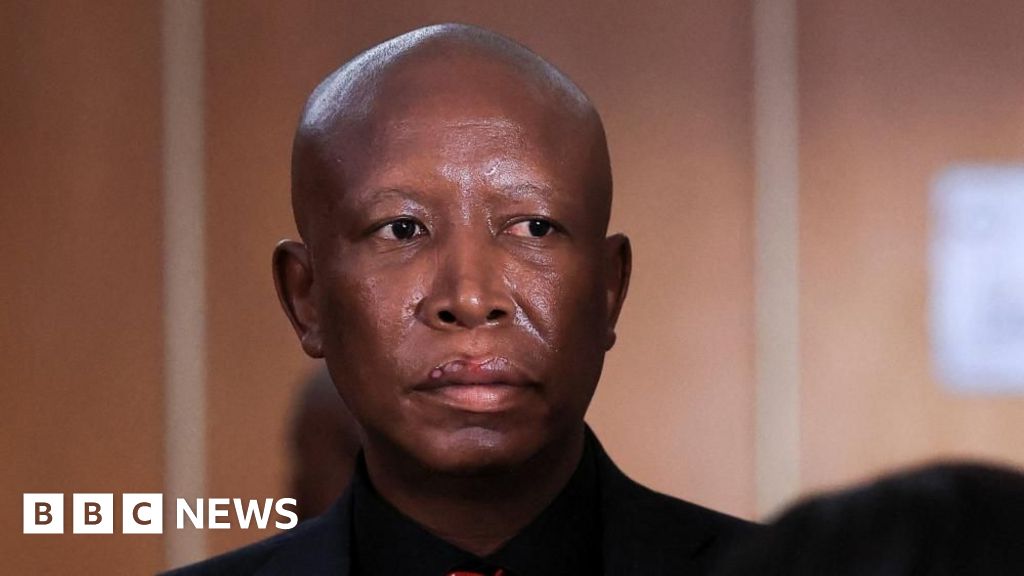
Julius Malema was sentenced to five years in prison after being found guilty of illegal gun possession and firing a weapon in public, though he was granted leave to appeal and will not be jailed immediately. The case stems from a 2018 incident at an EFF anniversary event and adds legal pressure to one of South Africa's most prominent opposition figures. The ruling is politically significant but has limited immediate market impact.
This is less a direct market event than a governance-risk amplifier for South Africa’s political system. The near-term effect is to harden the EFF’s identity among its base, but the medium-term effect is more important: it raises the probability of a leadership succession problem, internal factionalism, or a more radicalized populist wing trying to outbid the center. That kind of uncertainty is usually a tax on policy credibility, especially in a coalition environment where marginal parliamentary support matters.
The second-order market implication is not a clean risk-off for all South African assets; it is a dispersion trade. The groups most exposed are domestic banks, retailers, telecoms, and property names that depend on stable policy, predictable policing, and consumer confidence. Resource exporters with hard-currency revenues are comparatively insulated, and in some cases benefit if local political noise weakens the currency and lowers rand labor costs in real terms.
The key catalyst window is months, not days: the real risk is whether legal proceedings turn into a sustained mobilization narrative into the next policy cycle, versus being absorbed as martyrdom theater. If the appeal process drags, it extends headline volatility and keeps coalition negotiations noisy. If the case is overturned, the immediate relief rally could be sharp, but that would likely be a tactical move rather than a reset of the underlying governance discount.
Consensus may be overestimating the direct electoral damage to the EFF and underestimating the institutional damage to the broader South African risk premium. These episodes often help the most disciplined incumbents and hurt the middle: they reduce appetite for reform, slow private capex, and keep the rand vulnerable even when global risk sentiment is constructive. In other words, the tradable signal is likely less about one politician and more about the persistence of South Africa’s governance discount.
AI-powered research, real-time alerts, and portfolio analytics for institutional investors.
Request DemoOverall Sentiment
moderately negative
Sentiment Score
-0.35
