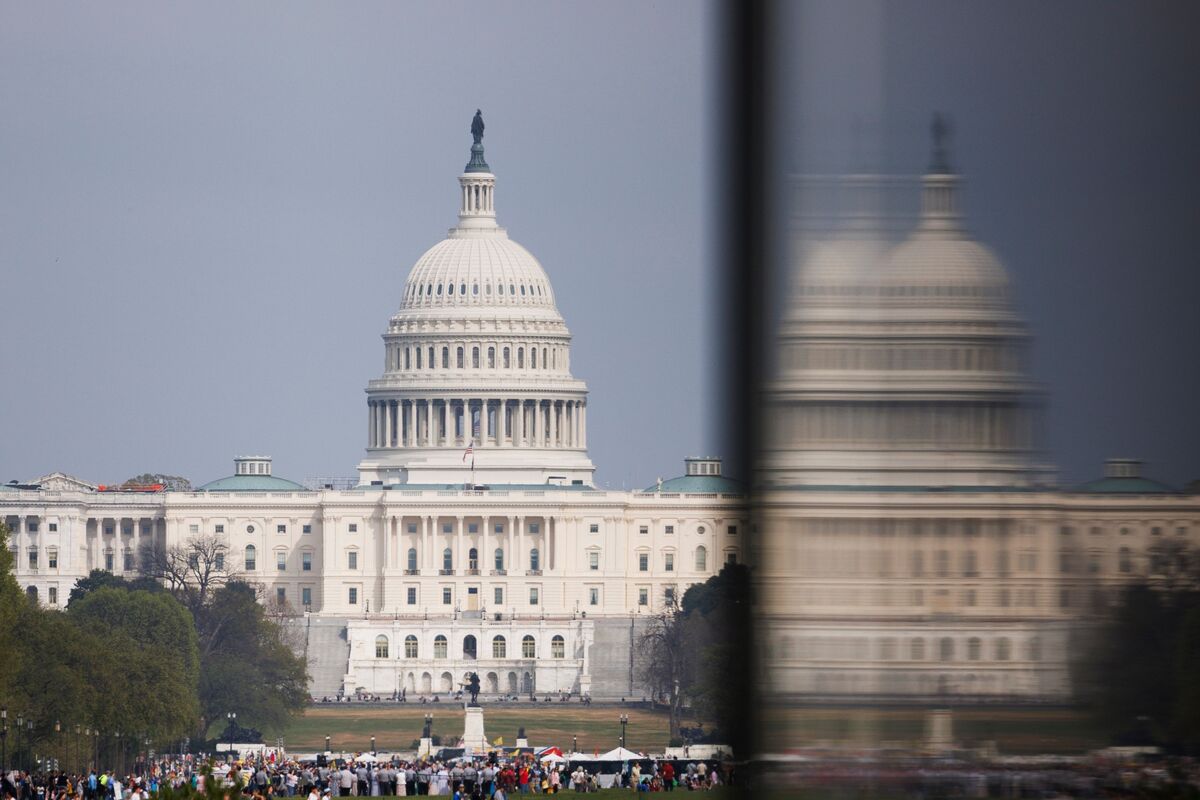
Senate Banking Committee Republicans, led by Chairman Tim Scott, are scrutinizing Glass Lewis & Co. and Institutional Shareholder Services Inc. for potential political bias and conflicts of interest, signaling a renewed effort to increase oversight of the proxy advisory industry. The senators allege that the firms' practices have deviated from sound economic principles, harming shareholders and the competitiveness of U.S. capital markets, reflecting concerns about the growing influence of proxy advisors on corporate governance.
Key Republican members of the Senate Banking Committee, including Chairman Tim Scott, are formally investigating leading proxy advisory firms Glass Lewis & Co. and Institutional Shareholder Services Inc. (ISS) due to concerns over potential political bias and conflicts of interest. A letter dated May 20 articulates the senators' view that these firms' practices have increasingly diverged from sound economic principles, thereby undermining shareholder interests and the competitiveness of U.S. capital markets. This scrutiny signals a renewed legislative effort to impose greater oversight on the proxy advisory industry, whose influence on corporate governance has grown substantially. The critical tone of the communication, despite a neutral overall sentiment score, underscores the seriousness of the allegations and the potential for regulatory shifts impacting how these influential firms operate.
AI-powered research, real-time alerts, and portfolio analytics for institutional investors.
Request DemoOverall Sentiment
Neutral
Sentiment Score
-0.20
