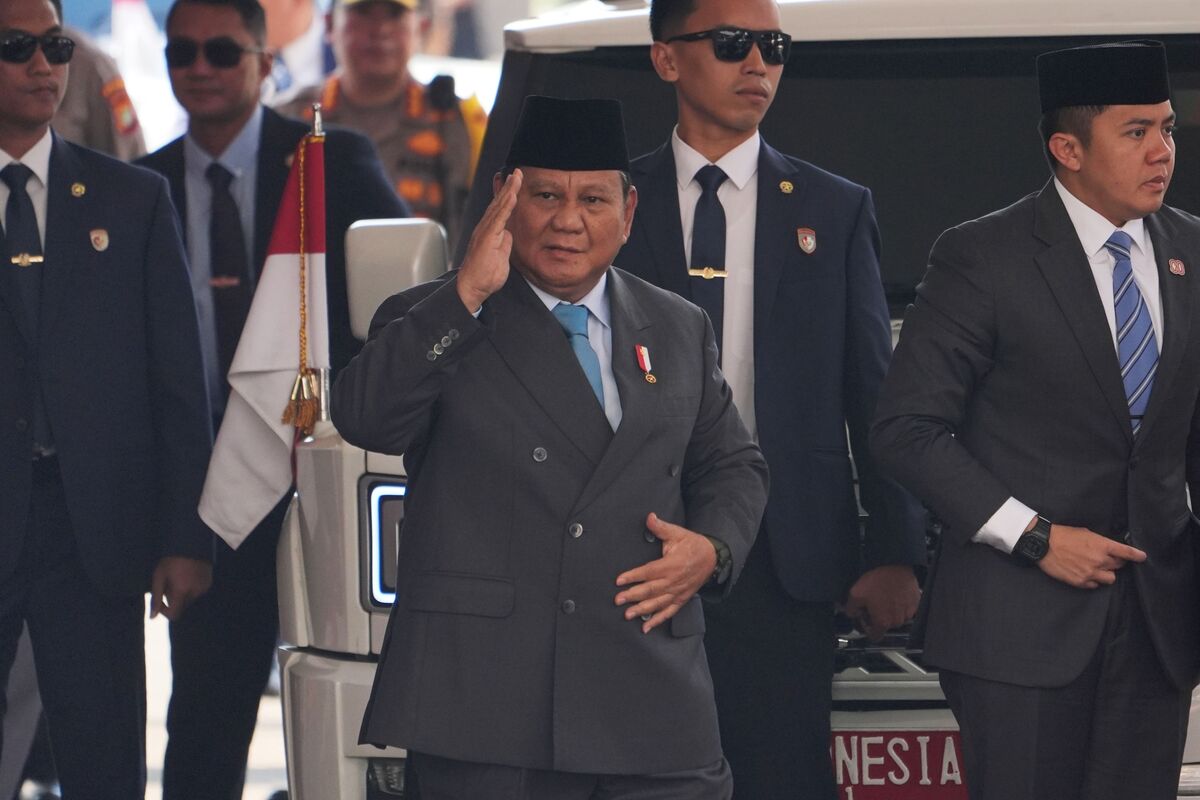
Indonesian President Prabowo Subianto has outlined an economic vision targeting 5.4% growth next year, up from 5% expected this year, while simultaneously aiming for a narrower fiscal deficit. He plans to fund expanded social welfare programs by leveraging state power to combat corruption and extract greater revenue from the country's natural resources, signaling a potential shift in resource sector taxation and a focus on growth alongside populist measures.
The new Indonesian administration under President Prabowo Subianto has outlined a dual economic strategy focused on accelerating growth while maintaining fiscal prudence. The government is targeting a GDP growth rate of 5.4% for the upcoming year, a notable increase from the 5% expected for the current year. This growth is intended to be fueled by expanded social welfare programs. Critically, these populist measures are planned to be funded not through wider deficits, but by enhancing state revenue through two primary channels: a crackdown on corruption and extracting more value from the nation's natural resources. This policy mix presents a cautiously optimistic outlook, balancing pro-growth stimulus with a commitment to fiscal discipline, though it introduces significant policy uncertainty for the natural resources sector, which may face increased taxation or state intervention.
AI-powered research, real-time alerts, and portfolio analytics for institutional investors.
Request DemoOverall Sentiment
mildly positive
Sentiment Score
0.35
