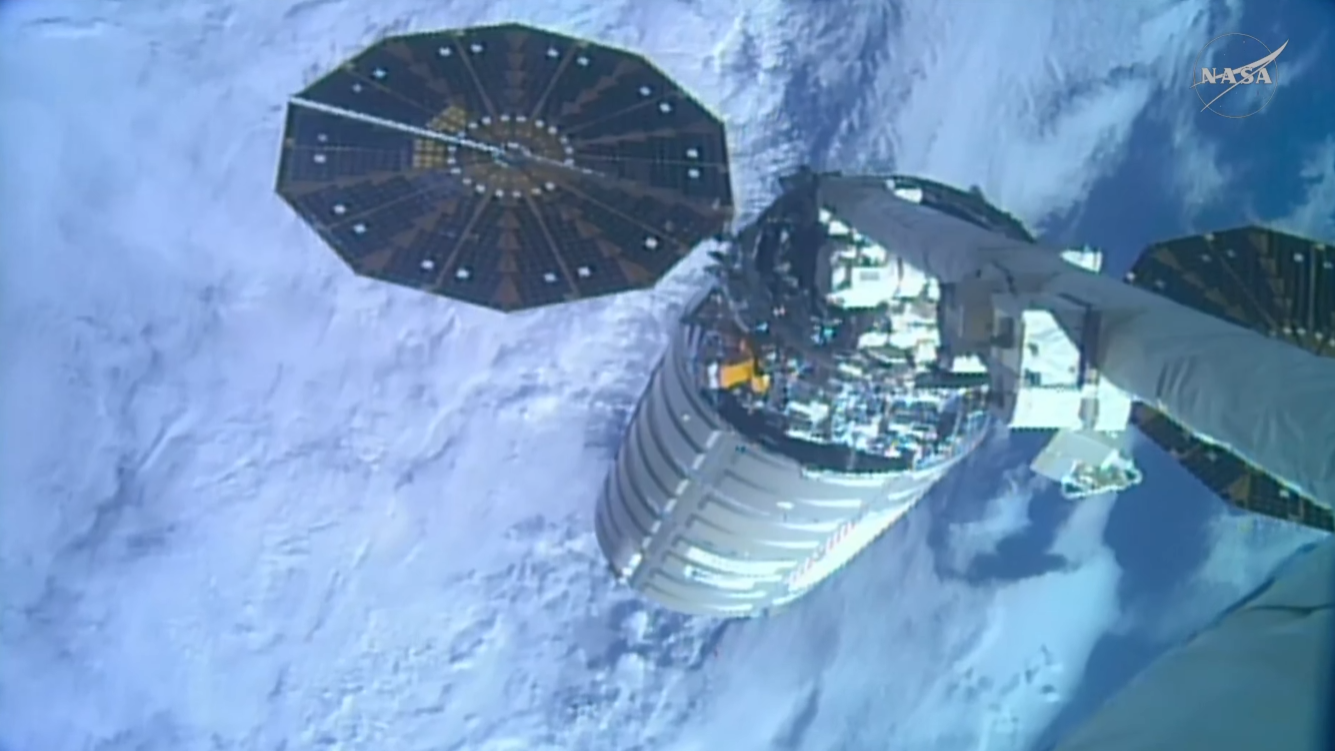
Northrop Grumman's Cygnus XL was jettisoned from the ISS on March 12, 2026 and will deorbit and burn up carrying thousands of pounds of station trash; Cygnus XL previously delivered ~11,000 lb (4,990 kg) of supplies on Sept. 18, 2025. The ISS operates ~260 miles (420 km) above Earth at ~17,500 mph and is scheduled for deorbit around 2030, though some U.S. lawmakers have proposed extending operations to 2032, which could affect transition plans to commercial replacements.
The visible, recurring business of moving payloads and trash off LEO creates a steady, low-volatility revenue stream that market participants often underweight when they focus on headline growth plays (launch counts, talk of space tourism). That incumbency benefits defense primes with integrated spacecraft manufacturing, avionics and long-term NASA/DoD contracting relationships because the barrier is not just rockets but certification, liability and ops continuity — areas where primes win pricing power and sticky margins over 2–5 year horizons.
A bifurcation is emerging: primes capture near-term, contracted cash flow while a second cohort of specialist startups and EU firms chases longer-term, higher-margin services (active debris removal, in-orbit servicing). Those specialists face regulatory, insurance and tender-driven sales cycles that typically stretch 3–7 years before material revenue, which means public valuations for pure-play debris/removal companies are exposed to execution and funding risk even if the end market is large.
Key catalysts to watch are NASA/appropriations timing (next 6–24 months), any ISS extension decisions, and high-visibility demonstration missions by commercial station builders; an accelerated decommissioning or an in-orbit incident would sharply reprice demand for certified disposal services. Contrarian takeaway: the market is too sanguine about near-term revenues for niche debris removers and too dismissive of the earnings resiliency at primes — that mispricing creates a directional opportunity to own proven contractors and hedge out pure-play execution risk.
AI-powered research, real-time alerts, and portfolio analytics for institutional investors.
Overall Sentiment
neutral
Sentiment Score
0.00
Ticker Sentiment
