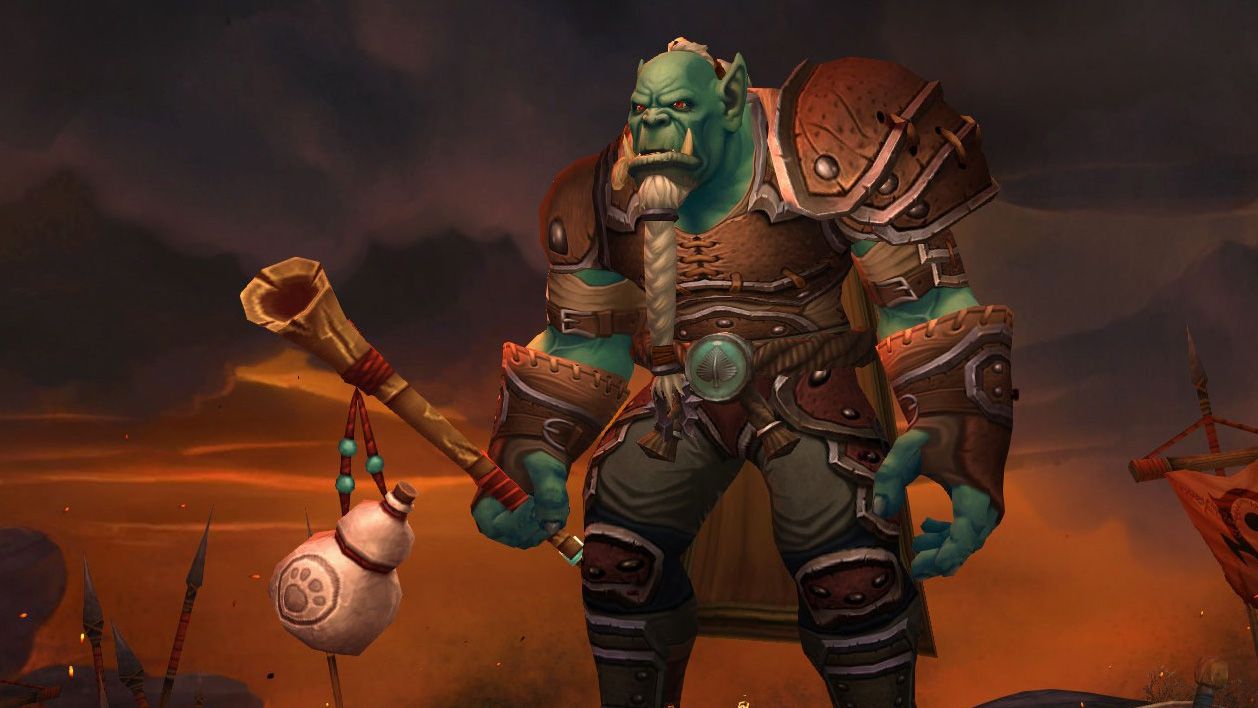
The article argues Blizzard may be leaning toward nerfing Brewmaster Monk tanks in World of Warcraft, despite an already severe tank shortage in Mythic+ play. It suggests the real issue is broader tank and healer imbalance, with other tank specs feeling too punishing and reducing player participation. The piece is commentary rather than hard news, so the likely market impact is limited.
The market takeaway is not the headline balance commentary itself, but the structural incentive problem: when the highest-skill, highest-stress role becomes the only efficient path to success, participation elasticity collapses. That creates a self-reinforcing queue-quality loop where fewer tanks leads to worse group experiences, which further suppresses tank supply and eventually drags down adjacent roles, especially healing, because coordination burden rises nonlinearly. In product terms, this is less a “spec balance” issue than a throughput and retention issue, and the fix needs to be supply expansion, not demand suppression.
Blizzard’s signaling risk is that a light-nerf approach would likely improve spreadsheet balance while worsening the actual user experience that determines session frequency. If the company trims the outlier without lifting the floor for other tank specs, it may briefly diversify the meta, but at the cost of making the role even less attractive to casual and mid-core players who are already the marginal supply. The second-order effect is longer matchmaking times and lower dungeon completion rates, which can bleed into broader engagement metrics over the next 1-2 patch cycles.
The contrarian view is that the current concentration in one tank archetype is a demand signal, not a problem to be punished. Players are revealing a preference for lower cognitive load and lower punishment variance; that usually means the design moat belongs to the spec that reduces friction, not the one that maximizes theoretical balance. In that framework, the right move is broad-based uplift: improve survivability, utility, and forgiveness across the tank roster, then monitor whether participation expands before touching the leader.
From an investment lens, this is mildly negative for engagement durability rather than acute revenue, so the tradeable angle is any equity with outsized dependence on session depth, queue health, or live-service retention. The catalyst window is the next balance patch and the following 4-8 weeks of player sentiment; if queue times and dungeon participation do not improve, the issue shifts from balance debate to retention leakage.
AI-powered research, real-time alerts, and portfolio analytics for institutional investors.
Request DemoOverall Sentiment
mildly negative
Sentiment Score
-0.10
Ticker Sentiment
