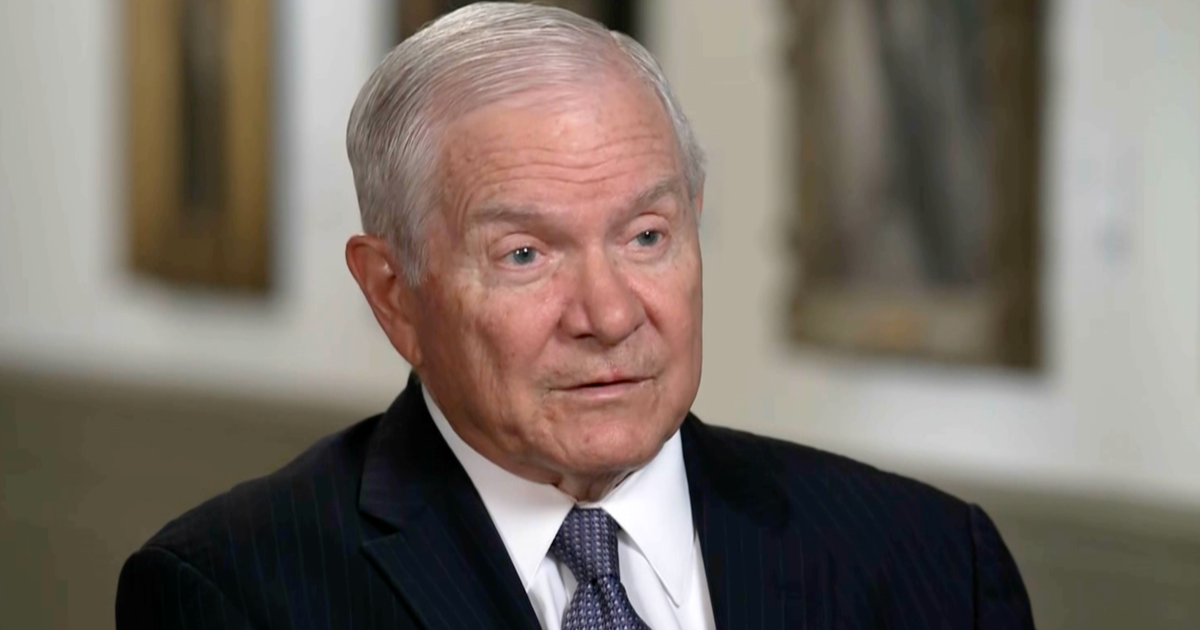
Robert Gates described a highly perilous global security environment, citing nuclear-armed rivals in Europe and Asia, rising China-U.S. competition, and ongoing conflict dynamics around Taiwan and Iran. He argued the U.S. should approve the proposed $14 billion in Taiwan arms sales, urgently rebuild weapons stockpiles and defense-industrial capacity, and rely on negotiation to ultimately resolve Iran's nuclear issue. The interview also raised concerns about Pentagon leadership turnover and Cuba-related instability, but the main market relevance is to defense, supply chain, and geopolitical risk.
The market takeaway is not the headline geopolitics; it is the acceleration of a rearmament cycle driven by inventory depletion, industrial bottlenecks, and a more permissive policy environment for capacity expansion. That combination is bullish for the defense production stack, but not uniformly so: legacy primes with full order books benefit less from incremental tension than smaller suppliers that can actually scale output, qualify parts faster, and capture urgency premiums. The second-order winner is anyone selling tooling, electronics, energetics, specialty metals, and contract manufacturing capacity rather than just platform names.
Taiwan risk is asymmetrically underpriced in the near term if the base case remains coercion without invasion. A blockade/quarantine scenario is slower-moving than an amphibious assault and would mainly hit semis through shipping insurance, lead-time extension, and customer panic buying rather than immediate physical damage. That favors names with geographically diversified assembly and inventories over single-point dependency, while KMT-related political drift is a medium-term negative for Taiwan risk premia even if it does not trigger an outright military event.
The Iran signal is more important for energy logistics than for crude outright. A durable stalemate keeps tail risk embedded in Gulf shipping, insurance, and missile-defense demand, which supports defense and cyber budgets even if headline oil prices do not spike. The contrarian point: the more Washington emphasizes industrial replenishment and readiness gaps, the more it implicitly validates that current deterrence is brittle — that should steepen the valuation discount on exposed contractors that rely on annual appropriations and strengthen the case for firms with multi-year funded backlogs and commercial adjacencies.
AI-powered research, real-time alerts, and portfolio analytics for institutional investors.
Request DemoOverall Sentiment
neutral
Sentiment Score
-0.10
Ticker Sentiment
