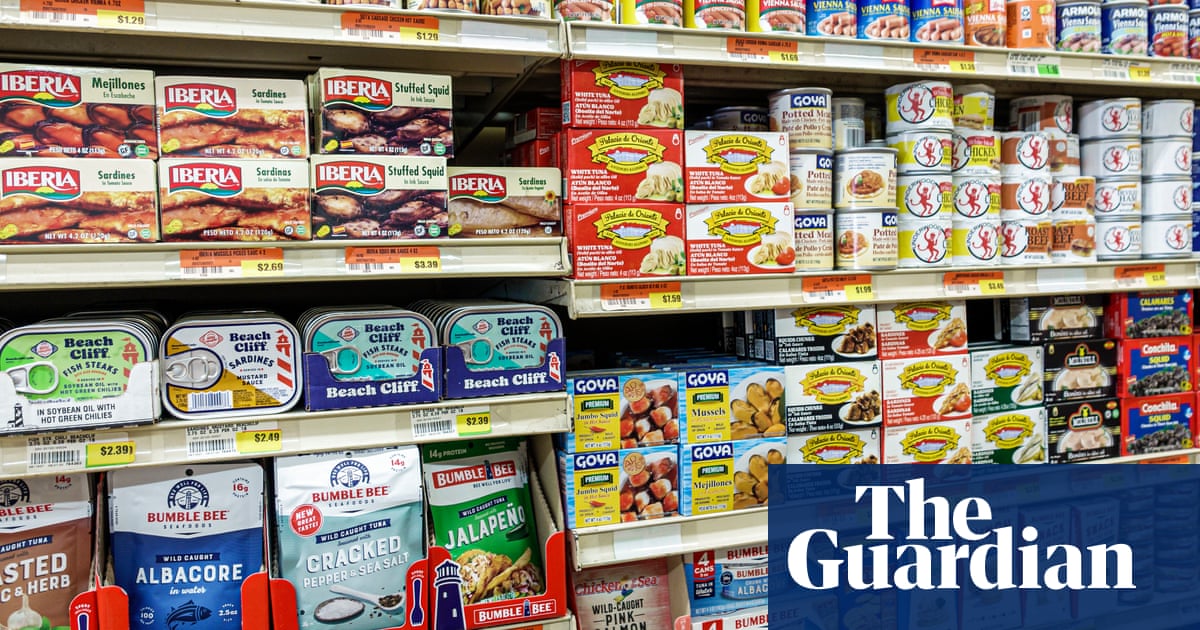
New tariffs on steel and aluminum enacted by Donald Trump are projected to raise canned food prices by up to 15%, potentially exacerbating food insecurity for low-income individuals and families already facing reduced SNAP benefits. Industry trade groups and anti-hunger experts warn that the tariffs, coupled with proposed SNAP cuts, will create a "double-whammy" effect, forcing difficult choices between food, rent, and other essentials, and possibly increasing reliance on food banks. The Can Manufacturers Institute notes that nearly 80% of tin mill steel, essential for canned goods, is imported, and the tariffs could give foreign producers an advantage, further impacting US farmers and consumers.
The recent implementation of doubled tariffs on steel and aluminum, establishing a 50% rate, is poised to significantly impact the U.S. food sector, particularly canned goods, with projected price increases of up to 15% within months. This policy directly affects American can manufacturers, who import nearly 80% of their tin mill steel, a dependency stemming from domestic production declines following 2018 tariffs. Consequently, U.S. farmers and food producers face heightened cost pressures and competitive risks from foreign entities, as highlighted by the Can Manufacturers Institute. Major food companies, including Fresh Del Monte Produce Inc. (FDP) and Hormel Foods Corporation (HRL), have already expressed concerns and requested tariff relief. The situation is compounded by proposed substantial cuts to the Supplemental Nutrition Assistance Program (SNAP), creating what anti-hunger experts term a 'double-whammy' for low-income households and likely exacerbating food insecurity. This confluence of tariff-induced inflation and reduced social safety nets is expected to strain consumer budgets, potentially reduce demand for affected staples, and increase reliance on food banks. The Aluminum Association also voiced concerns that these tariffs could undermine the domestic aluminum industry. The prevailing market sentiment regarding these developments is extremely negative, reflecting concerns over inflationary pressures, supply chain disruptions, and adverse impacts on consumer welfare and corporate profitability for entities like FDP and HRL, both of which carry negative sentiment scores.
AI-powered research, real-time alerts, and portfolio analytics for institutional investors.
Request DemoOverall Sentiment
extremely negative
Sentiment Score
-0.80
Ticker Sentiment
