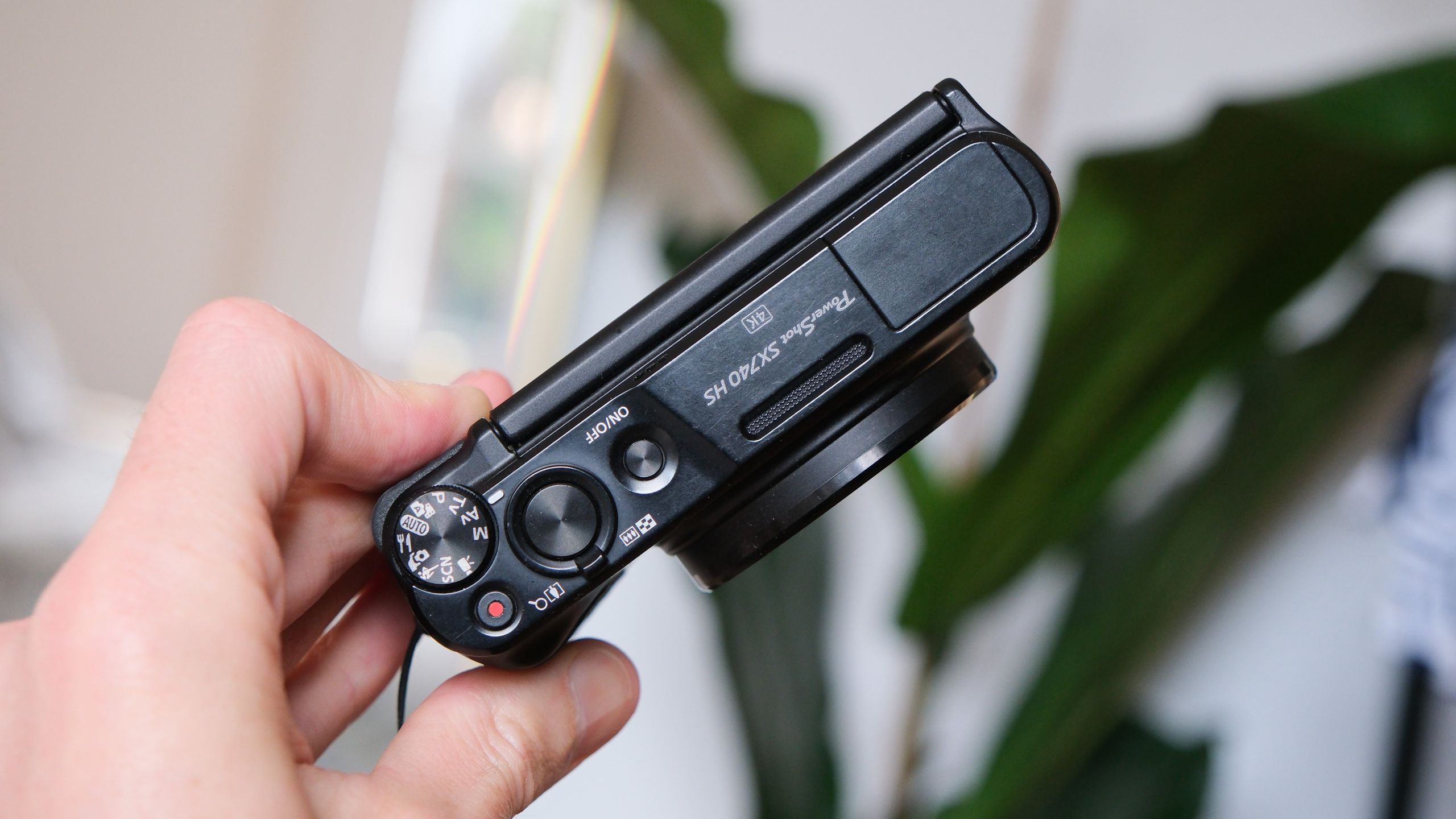
Yodobashi’s first-half April 2026 bestseller list is led by compact cameras with zoom lenses, topped by the Canon PowerShot SX740 HS, followed by the Sony ZV-1 II and Canon IXY 650. Demand is also strong for budget models, vlogging cameras, waterproof compacts, and APS-C sensor models such as the Ricoh GR IV series, but many of the top sellers are out of stock. The article is mainly a consumer-demand snapshot rather than a market-moving event.
SONY is a relative winner here, but not because of the headline ranking alone. The mix that is resonating in Japan—zoom, vlogging, and niche form factors—supports the view that demand is fragmenting away from the pure smartphone replacement story and toward “good-enough plus one killer feature.” That favors Sony’s imaging moat because it spans both consumer creator cameras and higher-end small-sensor / one-inch segments, which tends to preserve pricing power better than the broader low-end compact market.
The more important second-order effect is on channel inventory and mix. When backordered zoom compacts and creator-oriented models dominate sell-through, the supply chain tends to allocate scarce components and retail floor space toward higher-margin SKUs, while budget digital-zoom products can still move units but not profits. For SONY, that can translate into a favorable mix tailwind over the next 1-2 quarters even if total unit growth remains modest.
The contrarian read is that this is not a broad-based compact-camera renaissance; it is a scarcity-driven substitution cycle. Consumers are not necessarily becoming more attached to stand-alone cameras overall—they are selectively buying devices that smartphones still do poorly. That means the demand signal is real but narrower than it looks, and it could fade quickly if smartphone OEMs push harder on periscope zoom or if inventory normalizes and the “sold out” effect disappears.
The risk to the thesis is that the strongest items on the list are mostly availability-constrained, not just demand-constrained. If Sony’s own RX100-class supply remains tight, the company could be under-monetizing a favorable category moment rather than capturing it. The best setup is therefore not a huge directional bet on the whole camera market, but a relative-value view that SONY’s imaging business should outperform other consumer-electronics exposures with weaker premium differentiation.
AI-powered research, real-time alerts, and portfolio analytics for institutional investors.
Request DemoOverall Sentiment
neutral
Sentiment Score
0.15
Ticker Sentiment
