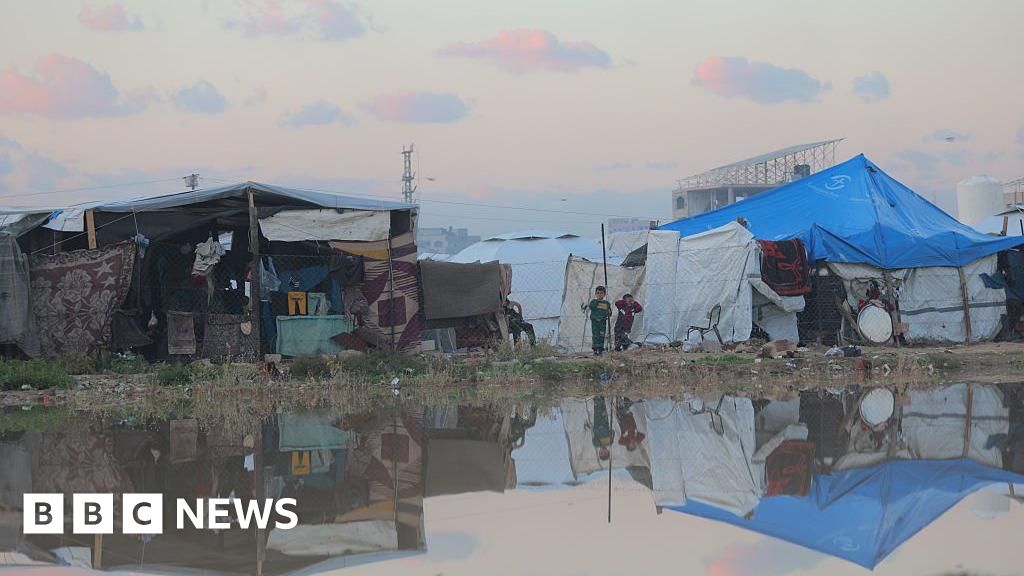
Heavy rains and storms in the Gaza Strip have flooded more than 40 emergency shelters and damaged or destroyed belongings of nearly 55,000 families, with UNICEF observing up to 15cm of standing water and warning of hypothermia among displaced children; Gaza health authorities report at least one infant death and multiple fatalities from building collapses. Humanitarian agencies have increased winter supplies (UNICEF: 250,000 winter kits, 600,000 blankets, 7,000 tents) but say needs outstrip deliveries even as Israeli COGAT reports 600–800 aid trucks daily and large inventories of tents/tarps transited during the ceasefire; ongoing reconstruction plans tied to ceasefire negotiations imply potential sustained demand for construction, logistics and donor funding amid continued political and security risk.
Market structure: Humanitarian-driven demand shocks favor logistics, construction materials and heavy equipment suppliers (cement/steel, tarpaulins/plastics, CAT/MLM/VMC, CRH) and sustain upside for defense contractors (LMT, RTX) if insecurity persists. Losers in the near term are regional consumer sectors, travel/tourism and Israeli domestic credit-sensitive names (banks, insurers) as sovereign/municipate spreads widen; expect 25–75bp move in 5y CDS for Israel in risk-off windows. Cross-asset: short-term bid to gold (GLD) and USD; oil only spikes on broader regional escalation (+$5–$15/bl); options vol for EM/Israel ETFs should remain elevated 30–60 days out.
Risk assessment: Tail risks include rapid conflict resumption or regional escalation (Hezbollah/Iran) that would trigger oil shocks and equity drawdowns, a low-probability high-impact scenario with >$10/bl oil move and >150bp sovereign spread widening. Immediate (days): logistics capacity and humanitarian corridors; short (weeks–months): supply-chain pricing for steel/cement and insurance costs; long (quarters–years): multi-billion reconstruction contracts (plausible $10–30bn) but contingent on governance and donor strings. Hidden dependency: public-company participation hinges on security approvals and procurement rules—much reconstruction may be contracted to non-public actors.
Trade implications: Tactical long exposure to global materials (MLM, VMC) and heavy equipment (CAT) with 1–2% portfolio stakes each, and 0.5–1% exposure to LMT/RTX as defensive growth if conflict persists. Hedge EM/Israel risk via 1–1.5% tail hedges (EIS/EEM puts) and buy 3–6 month call spreads on CAT/MLM to express reconstruction upside while limiting premium. Rebalance away from Israeli domestic cyclicals and regional tourism stocks by 1–3% in favor of logistics (FDX/UPS) and select materials names.
Contrarian angles: Consensus assumes reconstruction flows automatically benefit local midcaps; the miss is that large multinationals (CAT, CRH, Vulcan) and global logistics providers capture most spend because of procurement, certifications and capital needs. Market may be underpricing defense contractors’ multi-quarter revenue tail if security remains unstable; conversely it may be overpricing small regional EM names which face political/contract risk. Historical parallels (post-conflict Balkans, Syria corridors) show long tails — positional gains likely materialize over 12–36 months rather than weeks.
AI-powered research, real-time alerts, and portfolio analytics for institutional investors.
Request DemoOverall Sentiment
moderately negative
Sentiment Score
-0.35
