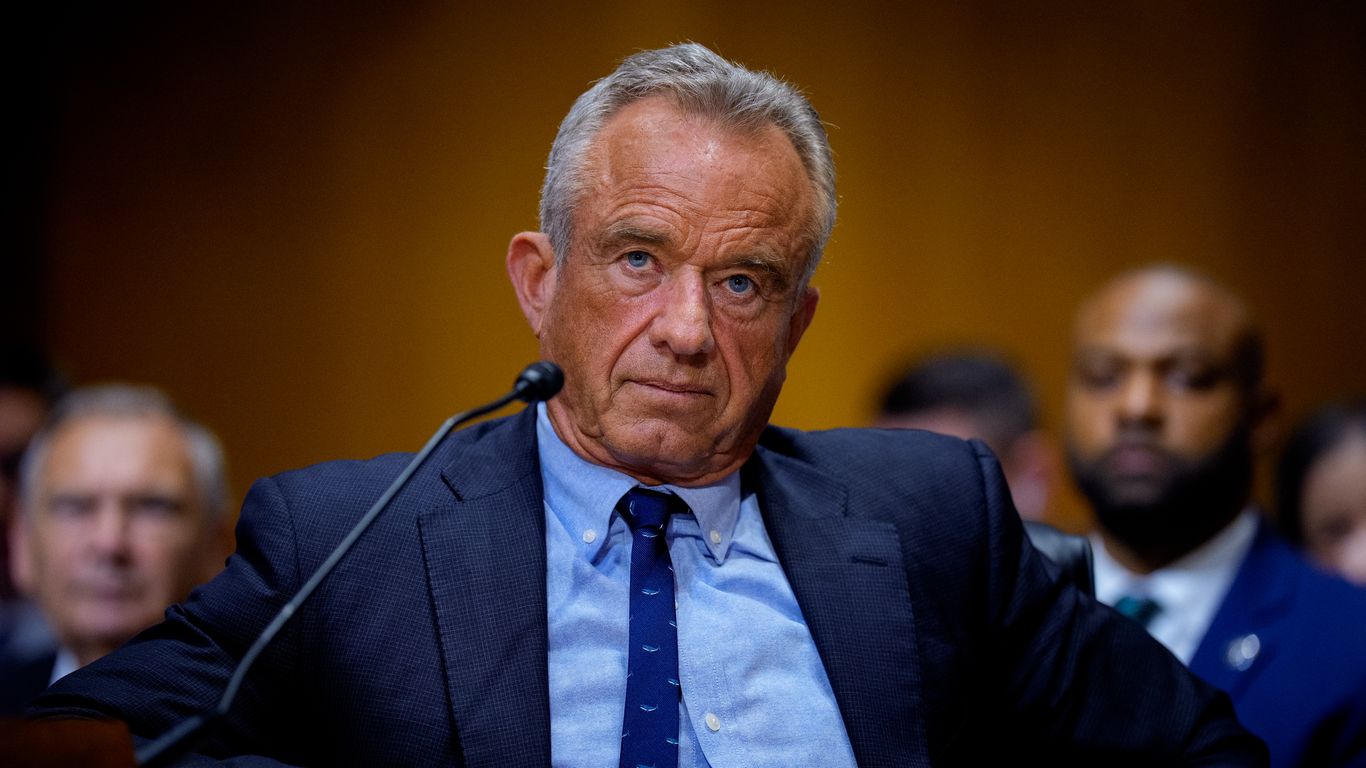
Robert F. Kennedy Jr. faces seven congressional hearings amid growing scrutiny over vaccine policy, CDC guidance, NIH grants, and personnel upheaval. The White House is trying to narrow his influence while emphasizing drug-pricing wins with 16 pharmaceutical companies and new dietary guidelines. A federal judge has temporarily blocked the childhood vaccine schedule overhaul, and lawmakers may press on possible impacts to NIH, CDC, and substance-abuse funding.
The market implication is not a direct healthcare beta trade so much as a shift in regulatory volatility. The administration appears to be recentering HHS around drug pricing and budget discipline while quietly de-emphasizing the most market-disruptive anti-vax rhetoric, which is incrementally positive for large-cap pharma and managed care because it lowers the probability of headline-driven policy shocks in the next 1-2 quarters. The bigger second-order effect is on NIH/CDC contracting and grant flows: uncertainty tends to slow procurement decisions, delay awards, and favor the largest incumbents with the most diversified federal exposure.
The near-term catalyst is congressional pressure creating a bifurcation between symbolic rhetoric and operational control. If lawmakers succeed in boxing Kennedy into less controversial issues, the overhang on vaccine-adjacent names and public health contractors should fade; if he re-escalates, expect a short, sharp repricing in vaccine manufacturers, diagnostics, and select hospital supply chains over days rather than months. The legal backdrop matters because court blocks make the administration more cautious, which reduces the odds of immediate implementation but increases the risk of a later, more targeted administrative workaround.
The contrarian read is that the market may be underestimating how much this is becoming a personnel story rather than a policy story. Chris Klomp’s rise signals that pricing and execution will dominate, which is structurally better for companies aligned with cost containment and worse for small biotech and grant-dependent research outfits exposed to budget variability. The biggest risk is that Kennedy’s reduced autonomy makes him more unpredictable politically, not less: he may try to reassert relevance with another high-visibility move, creating episodic volatility into the next hearing cycle and the midterm calendar.
AI-powered research, real-time alerts, and portfolio analytics for institutional investors.
Request DemoOverall Sentiment
mildly negative
Sentiment Score
-0.15
