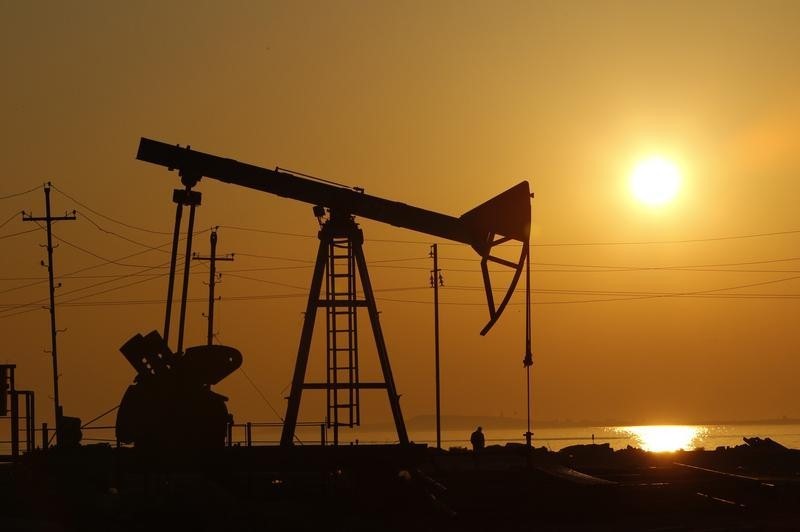
Brent crude surged to around $114/bbl and WTI hovered near $100 amid escalating Iran-Middle East tensions, prompting risk-off moves with the FTSE 100 down 1.6% and Germany's DAX down 2.03%. Fed Chair Powell struck a hawkish tone, signaling no near-term rate cuts until inflation eases, while the BoE and ECB are widely expected to hold rates, reinforcing market caution. Corporate news was mixed: LSL reported FY25 underlying operating profit £32.6m, declared an 11.4p total dividend and has £27.8m net cash (also a £12m buyback announced in January); DFS maintained FY profit guidance of £43-50m; SGL reported Q4 sales €197.3m (-19.3% YoY) but set FY26 adjusted EBITDA guidance ~8% above consensus. Other notable data: Central Asia Metals revenue $229.9m (beating $224.92m consensus) and Capital Ltd posted a 318% rise in net profit to $71m.
The confluence of a Middle East energy shock with an otherwise sticky central bank narrative pushes the macro mix toward a higher-for-longer real rates and commodity-inflation regime. That combination magnifies second-order margin pressure: energy-intensive sectors (airlines, shipping, chemicals, cement) see immediate unit-cost hits while corporates with pricing power (integrated oil, LNG exporters) convert most incremental dollars to EBITDA, widening sectoral dispersion within 30–90 days.
Beyond headline winners (producers) and losers (transport/consumer discretionary), look for cross-market spillovers: insurance and freight rates jump, accelerating order flows to alternative routes/warehousing and benefiting select logistics and inventory-heavy industrials for 2–4 quarters. Tech exposures bifurcate — long-cycle enterprise capex (server refresh) remains a secular positive for AI-hardware specialists but is vulnerable to cyclical pause if recession risks rise; ad-driven mobile app platforms are first to see budget cuts under demand shock.
Key catalysts and tail risks are binary and time-staggered: a short diplomatic ceasefire or SPR release can compress oil in days; sustained attacks or sanctions that remove even 1–2 Mbpd of seaborne capacity would lift prices for months. Monitor oil backwardation structure, bunker and jet-fuel cracks, and month-over-month advertisement spend data as high-frequency early-warning indicators for profit-cycle shifts.
AI-powered research, real-time alerts, and portfolio analytics for institutional investors.
Request DemoOverall Sentiment
mildly negative
Sentiment Score
-0.30
Ticker Sentiment
