

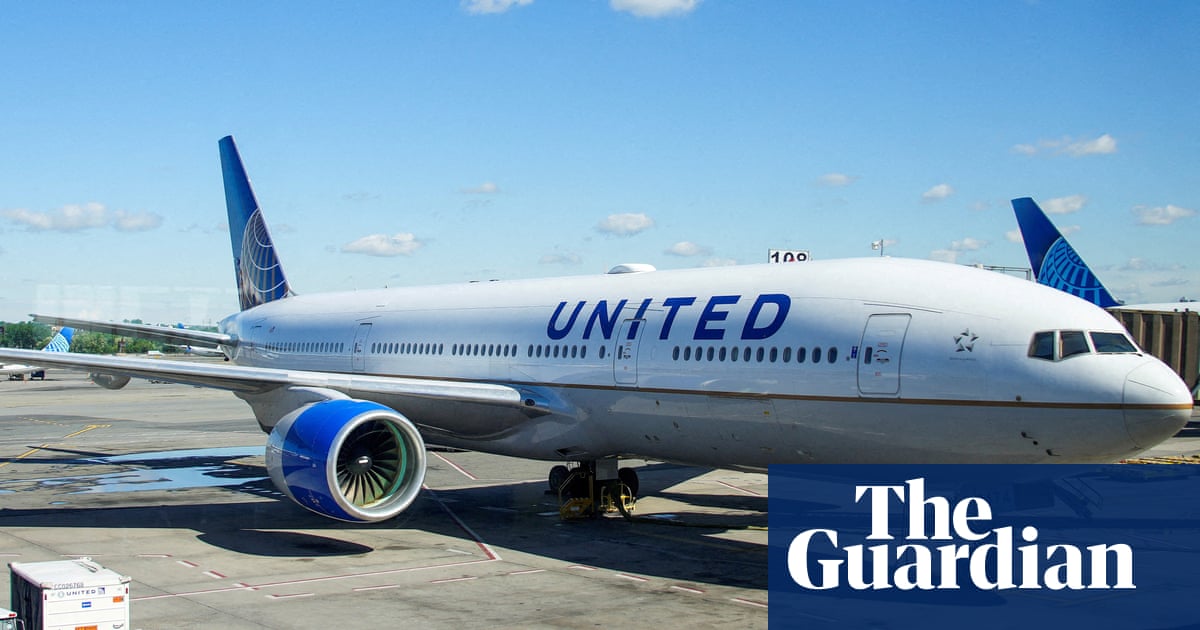
A United Airlines Boeing 767 carrying 190 passengers and 12 crew turned back to Newark mid-flight to Palma de Mallorca after a possible security threat tied to a Bluetooth device name. Passengers were evacuated and re-screened by TSA and CBP before boarding a replacement flight that arrived in Palma on Sunday afternoon. The incident adds to a string of recent United aviation disruptions, including a prior diversion over an unruly passenger and a landing accident at Newark.
The near-term issue is not a one-off operational hiccup; it is the compounding effect of repeated event clustering at a flagship carrier hub. When incidents stack over a few weeks, the market starts pricing a higher probability of schedule disruption, maintenance checks, crew utilization inefficiency, and eventually softer premium-cabin demand from corporate travelers who are the highest-margin customer base. That matters more than the immediate flight diversion because reputation risk can leak into unit revenue over several quarters before showing up in hard numbers.
United is also more exposed than peers to the behavioral second-order effect: a single highly visible incident can trigger a disproportionate increase in security-related gate delays and post-incident screening friction at key international departures. Even small increments in turnaround time reduce aircraft utilization, and on long-haul routes that can cascade into missed rotations, overtime labor, and reaccommodation costs. In the near term, the bigger risk is not a step-down in demand but margin compression from irregular operations and a higher “noise floor” of customer compensation expense.
Boeing gets only an indirect read-through, but incidents that involve widebody aircraft and high-profile carriers tend to revive the broader narrative around aircraft reliability, inspection burden, and regulator scrutiny. That usually creates a temporary air-pocket for sentiment across the aerospace complex, even if fundamentals are unchanged. The contrarian point is that the stock reaction may be overdone if investors extrapolate isolated security/operational events into structural demand damage; unless this turns into a multi-week pattern with visible booking softness, the more durable effect is likely on near-term margins rather than traffic volumes.
AI-powered research, real-time alerts, and portfolio analytics for institutional investors.
Request TrialOverall Sentiment
mildly negative
Sentiment Score
-0.20
Ticker Sentiment
